Elizabeth Ward is a former early childhood, elementary, and English as a Foreign Language educator with over 12 years of experience in public school and online classrooms. Her background includes curriculum development and content design for both physical and digital classrooms. She is passionate about supporting teachers and making their work easier.
Easy Activities for Your First Weeks
Easy activities for your first weeks include low-prep, engaging lessons and activities that help K-2 teachers build community and routines.
Explore this Guide
Your First Week, Made Easier
Welcome back, K-2 teachers! Whether you're setting up your classroom for the very first time or returning for another year, this guide is here to make your back-to-school season a little easier and a lot more exciting. This guide provides ready-to-use options across all subjects. Inside, you'll find ready-to-use resources across every subject that weave in climate and nature themes, because there's no better time to build a love for the natural world than the very first weeks of school. From quick warm-ups to hands-on STEM challenges to phonics games and graphing activities, everything here is designed to engage your youngest learners while helping you build the warm, structured classroom community they need to thrive. These fun back-to-school activities for kids work for multiple grade levels, and several adapt easily as back-to-school preschool activities for your youngest learners.
Quick and Easy
Grab-and-go activities and printables that are perfect for the first days of school, when you need something engaging that requires little to no prep.
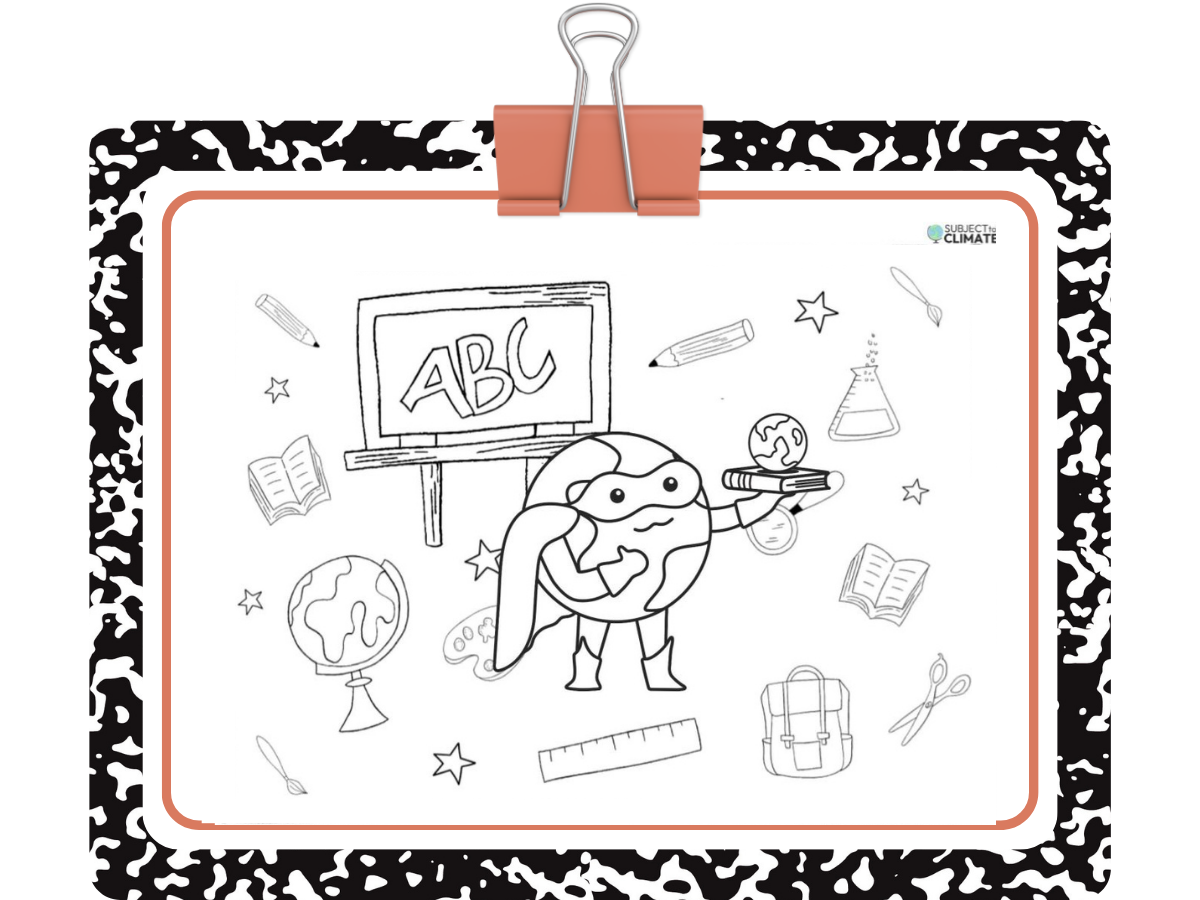
Back to School Activities
This ready-to-use collection of printables and customizable slides includes coloring sheets, signs, poems, writing prompts, and schedule cards to help you set up your classroom, build excitement, create a welcoming environment, and greet students on day one.
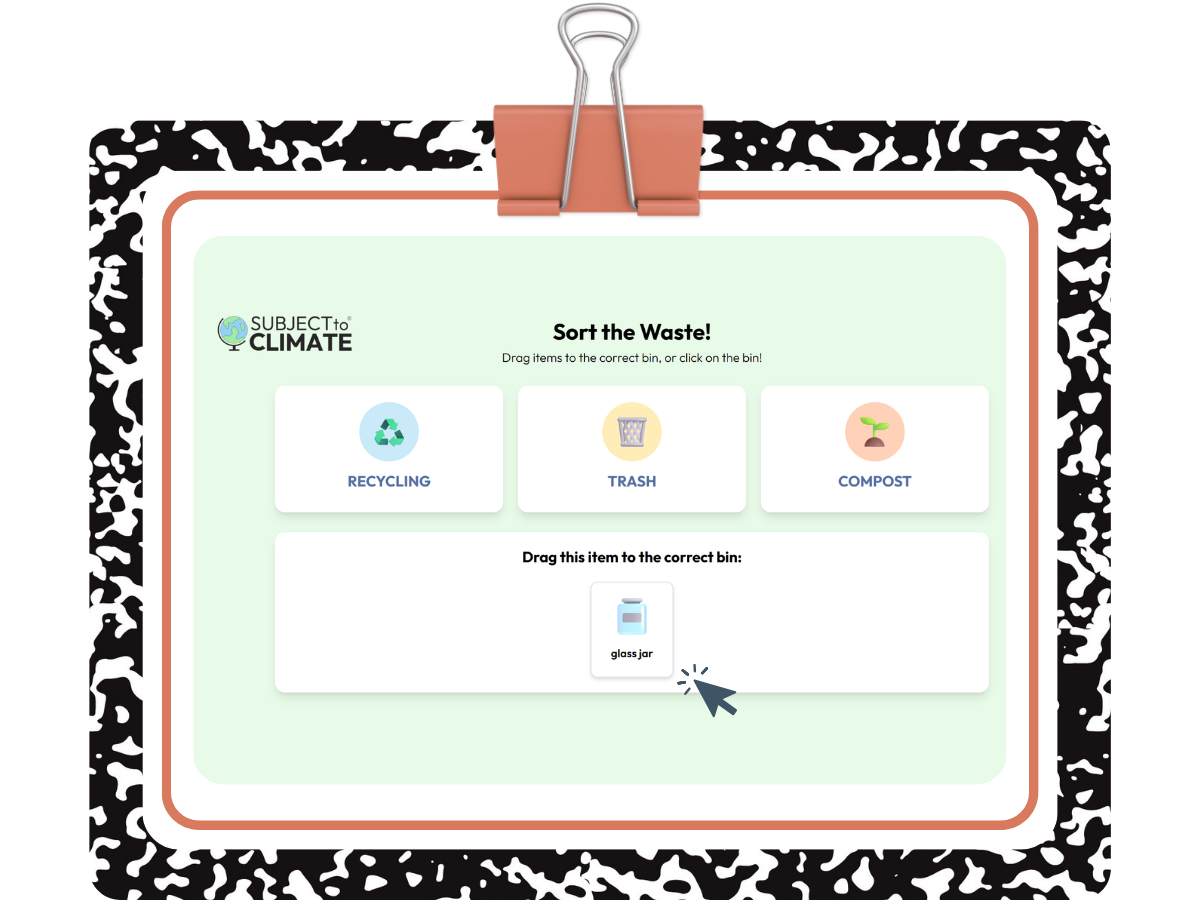
Recycle Sorting Game
In this interactive game, students practice sorting everyday items into trash, compost, or recycling bins, building real-world environmental awareness while having fun. It works great as a technology center activity or whole-class warm-up.
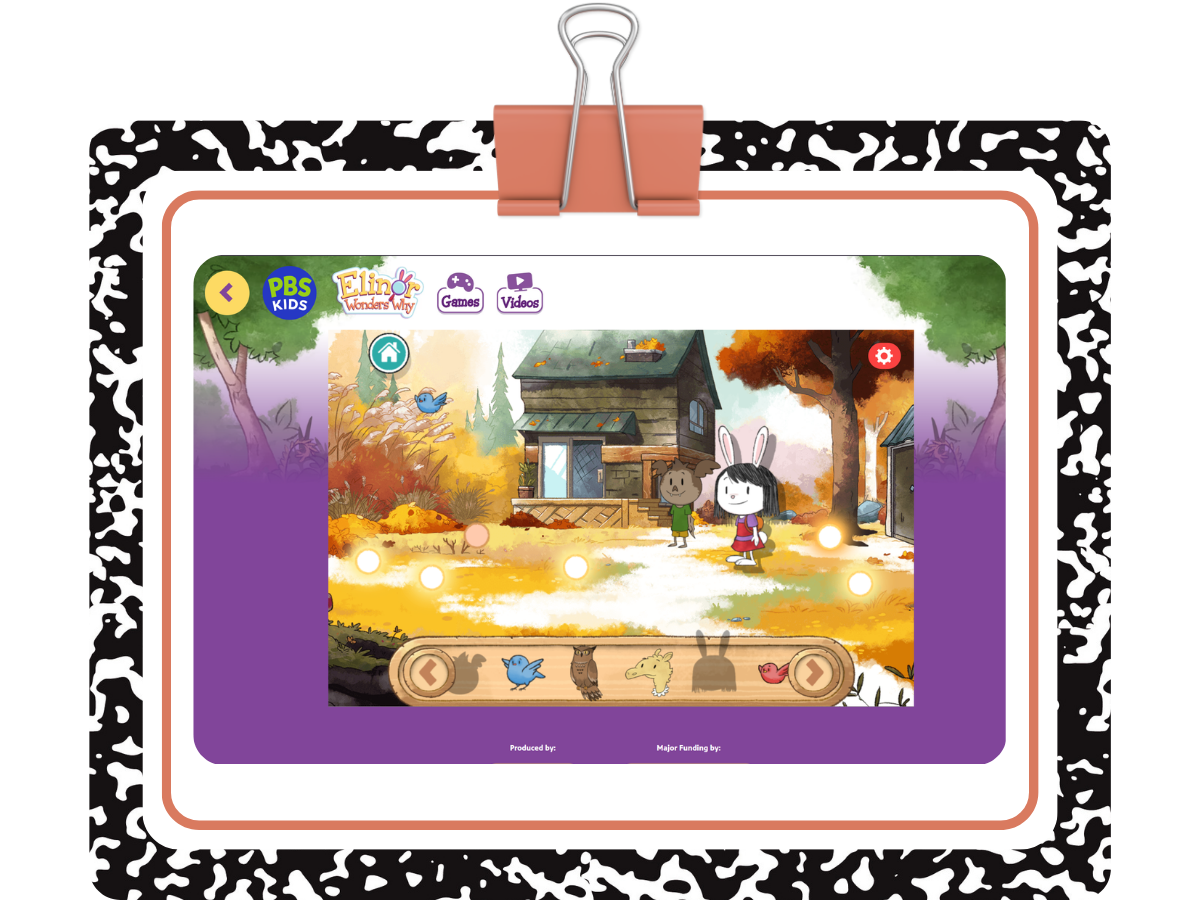
Nature Sights and Sounds
This digital game invites students to explore different ecosystems by matching images and sounds from the natural world. Add it to your list of tablet games in your Technology center. Take your kids on a nature walk to explore the outdoors
firsthand.
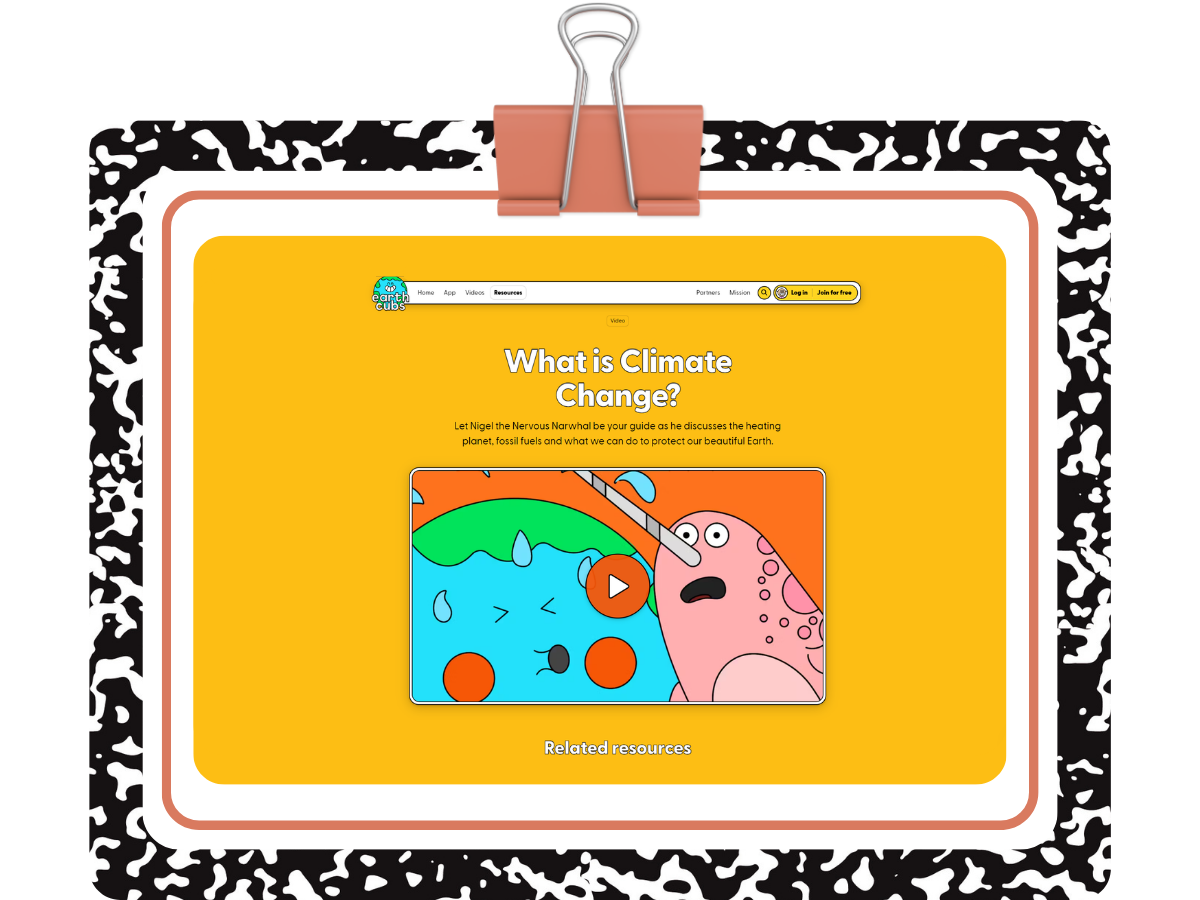
What is Climate Change?
This short animated video introduces students to the basics of climate change in simple, age-appropriate terms, explaining what it is and what kids can do to help. An easy way to spark conversations about caring for the planet from day one.
Hands-On Fun
Activities that get students building, creating, and exploring the world with their hands, great for fostering curiosity and classroom community early in the year.
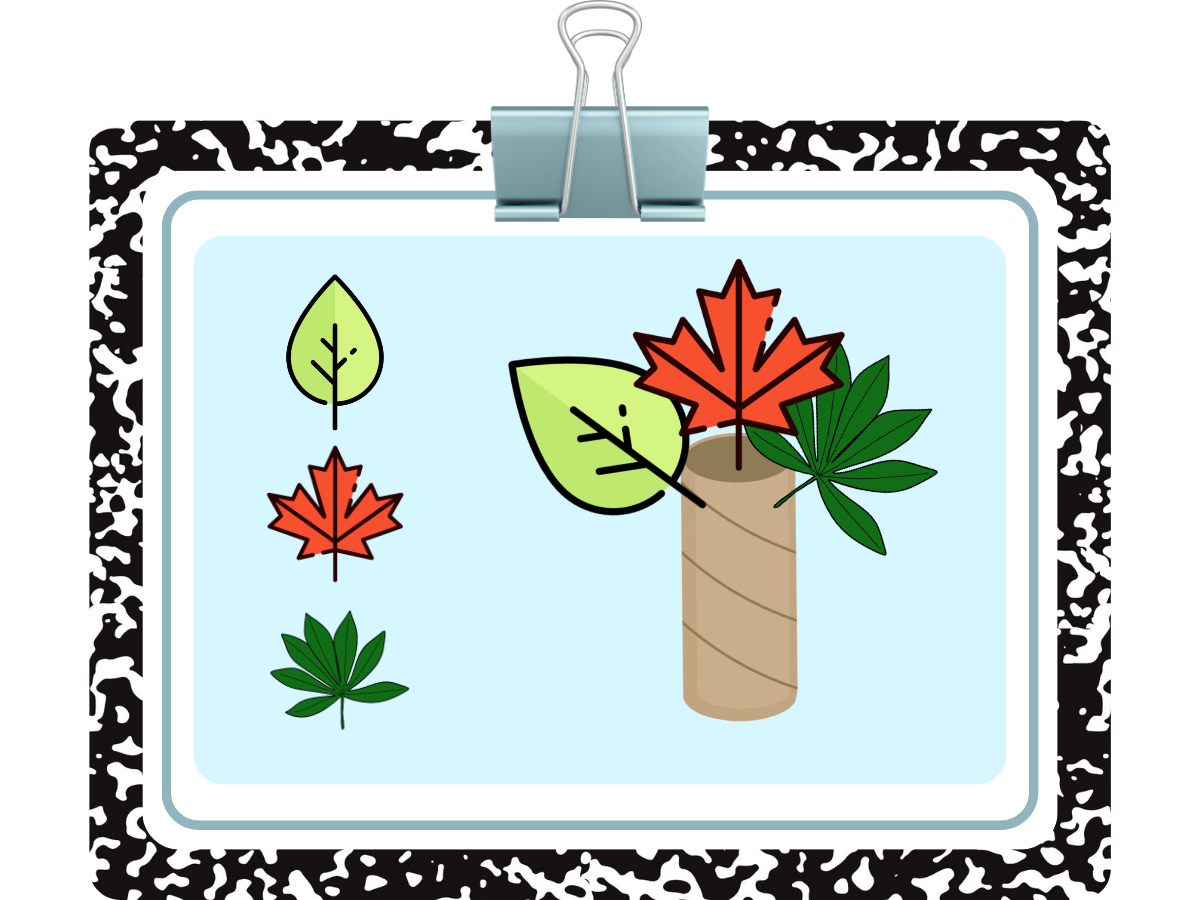
Build a Tree: STEM Challenge
Students design and build their own tree using a variety of materials, then use both standard and nonstandard units of measurement to compare and describe it. It's an open-ended engineering activity with great math connections.
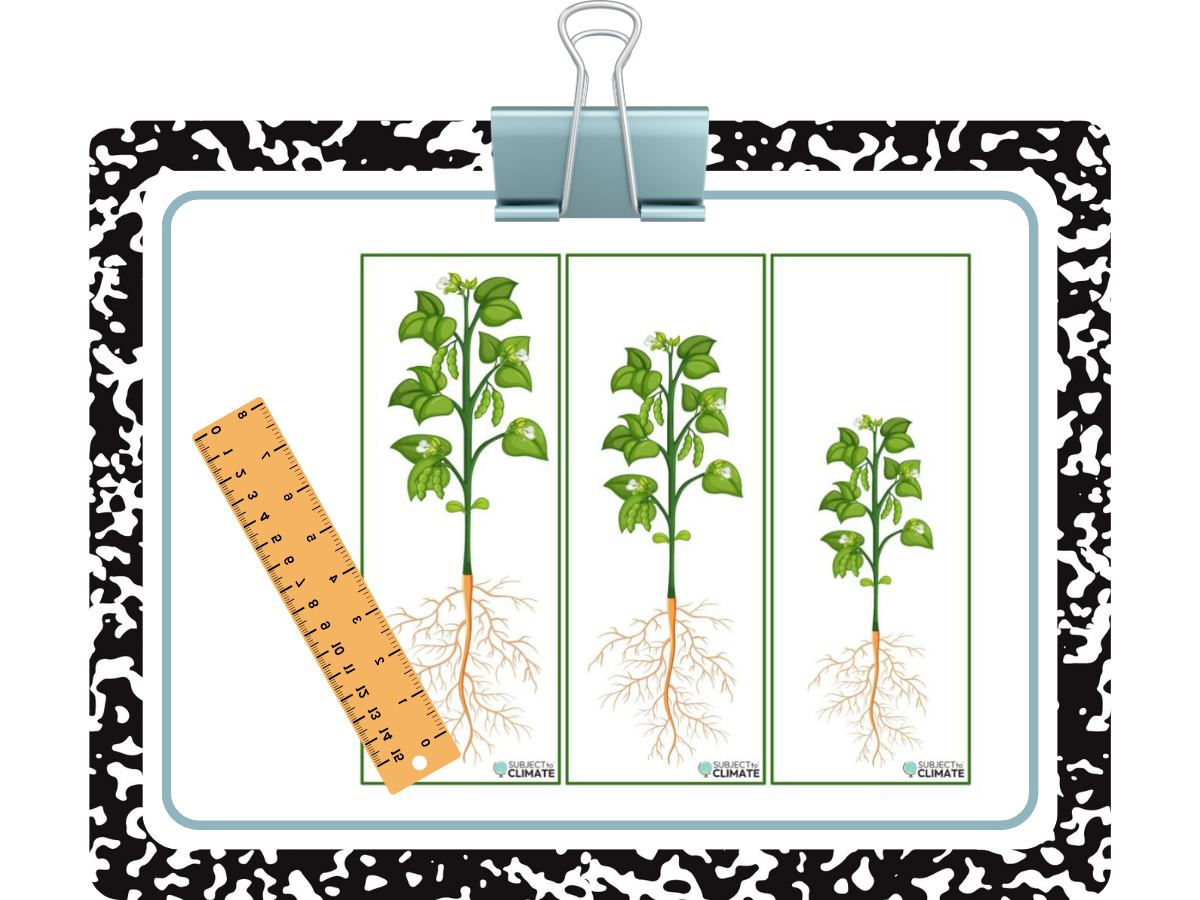
Nature Measurement Activity
Students head outside or explore the classroom to measure, compare, and order objects found in nature, building early math skills through hands-on discovery. This one is easy to set up and runs beautifully as a math center.
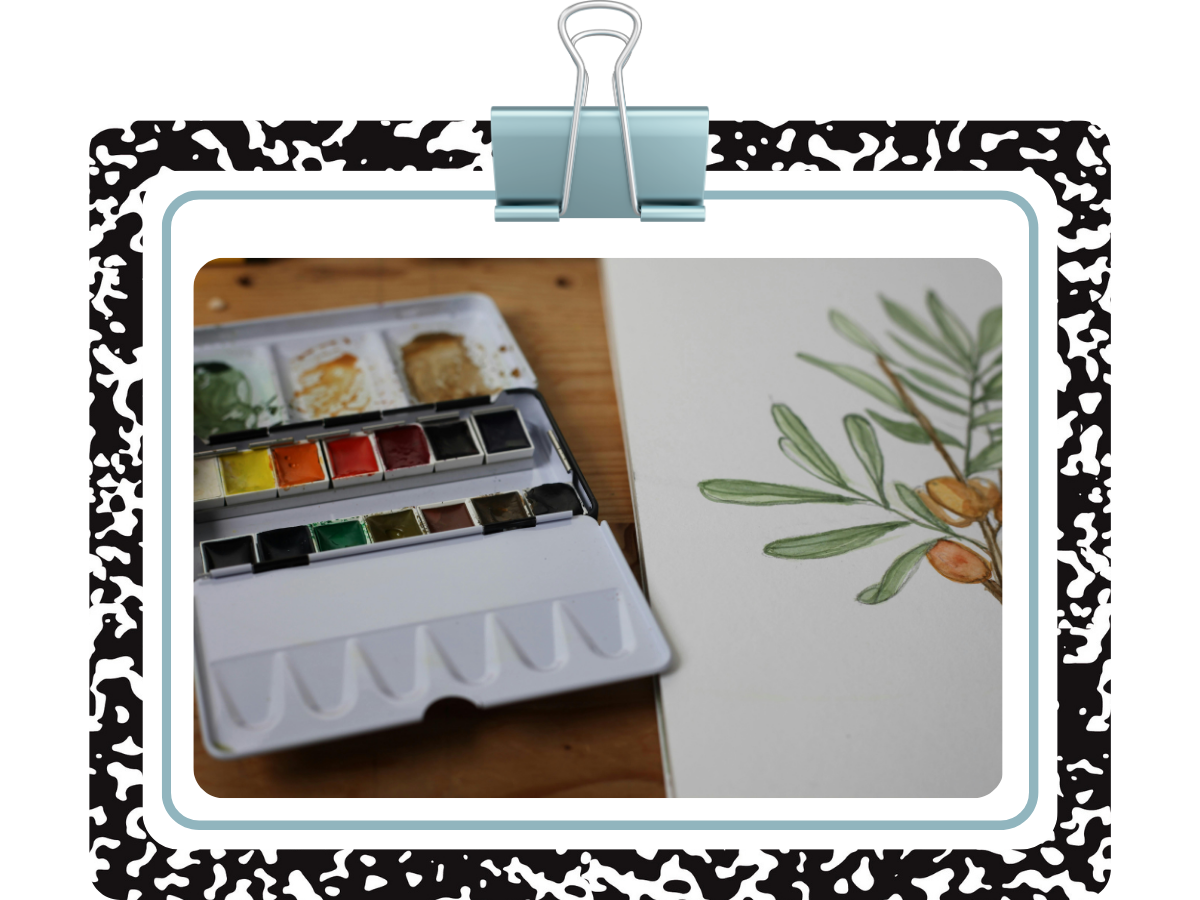
Plant Pigment Paint
In this creative science activity, students extract natural pigments from plants and use them to paint, discovering how plants get their colors while expressing themselves artistically. It's a wonderful cross-curricular activity!
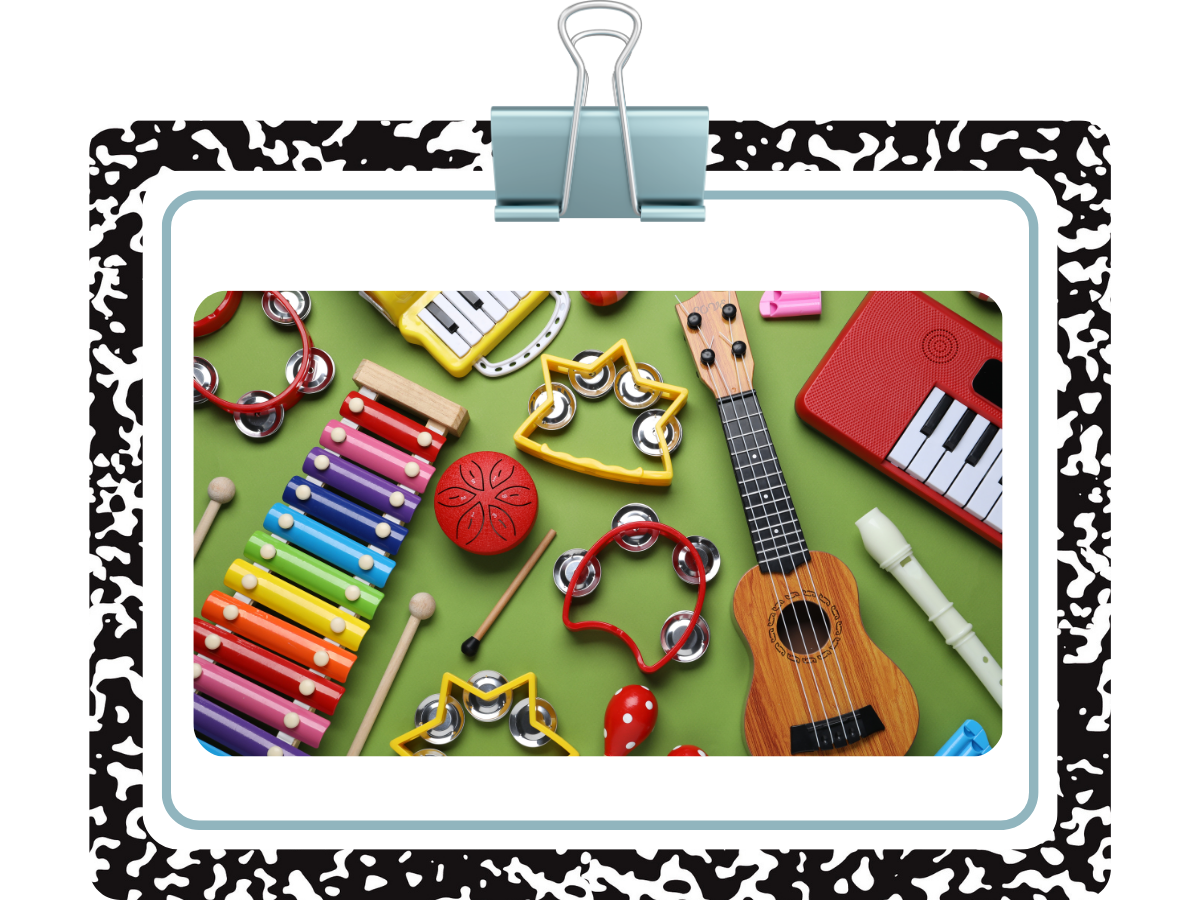
Eco Rhythms Music Lesson
This lesson guides students outdoors to listen for rhythms in nature and then create their own musical improvisations inspired by what they hear. Students explore the connections between music, living things, and the environment.
STEM Lessons
Standards-aligned science and engineering lessons that introduce big ideas about energy, nature, and the environment through inquiry and exploration.
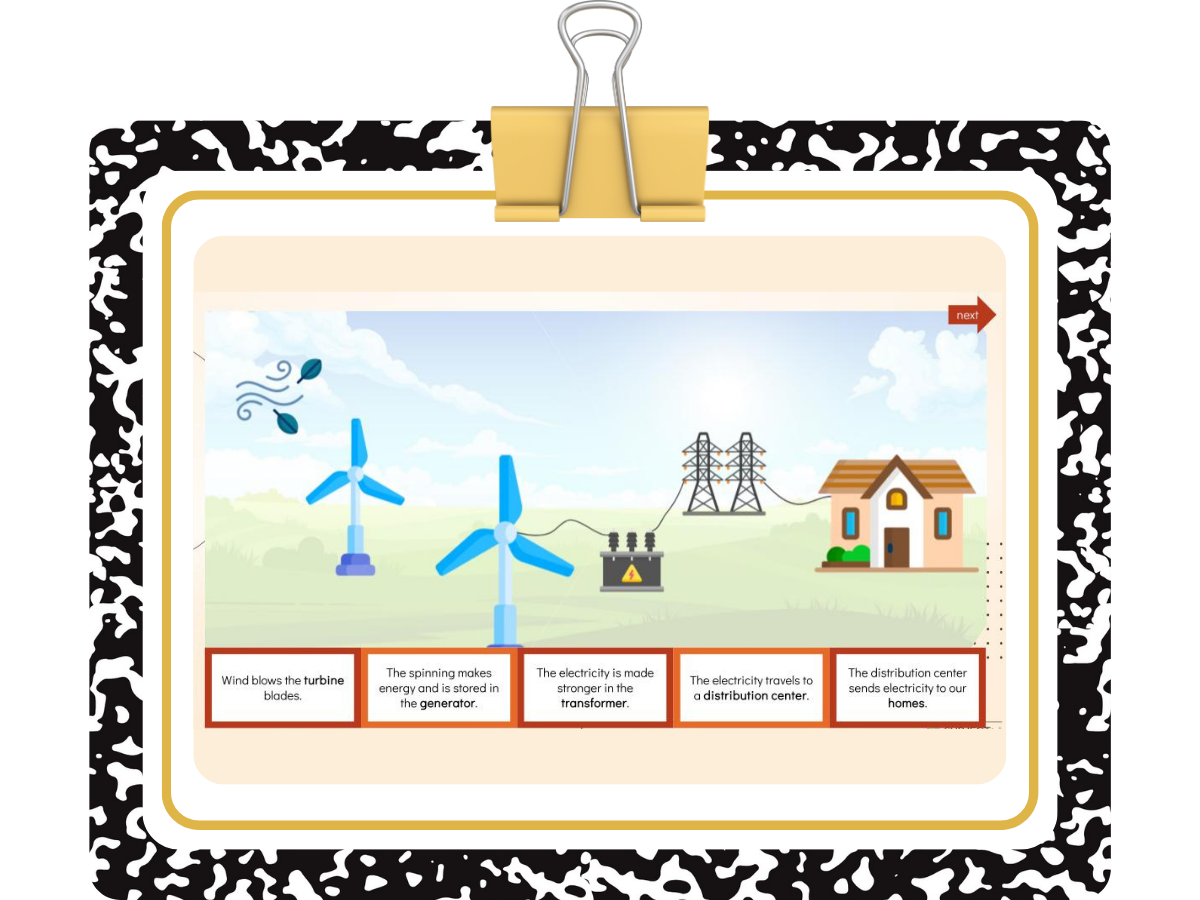
Engineering and Art Lesson
Students learn about engineers, explore wind energy, and then design their own model windmill in this hands-on K-2 lesson. The lesson includes discussion prompts, centers, and writing pages.
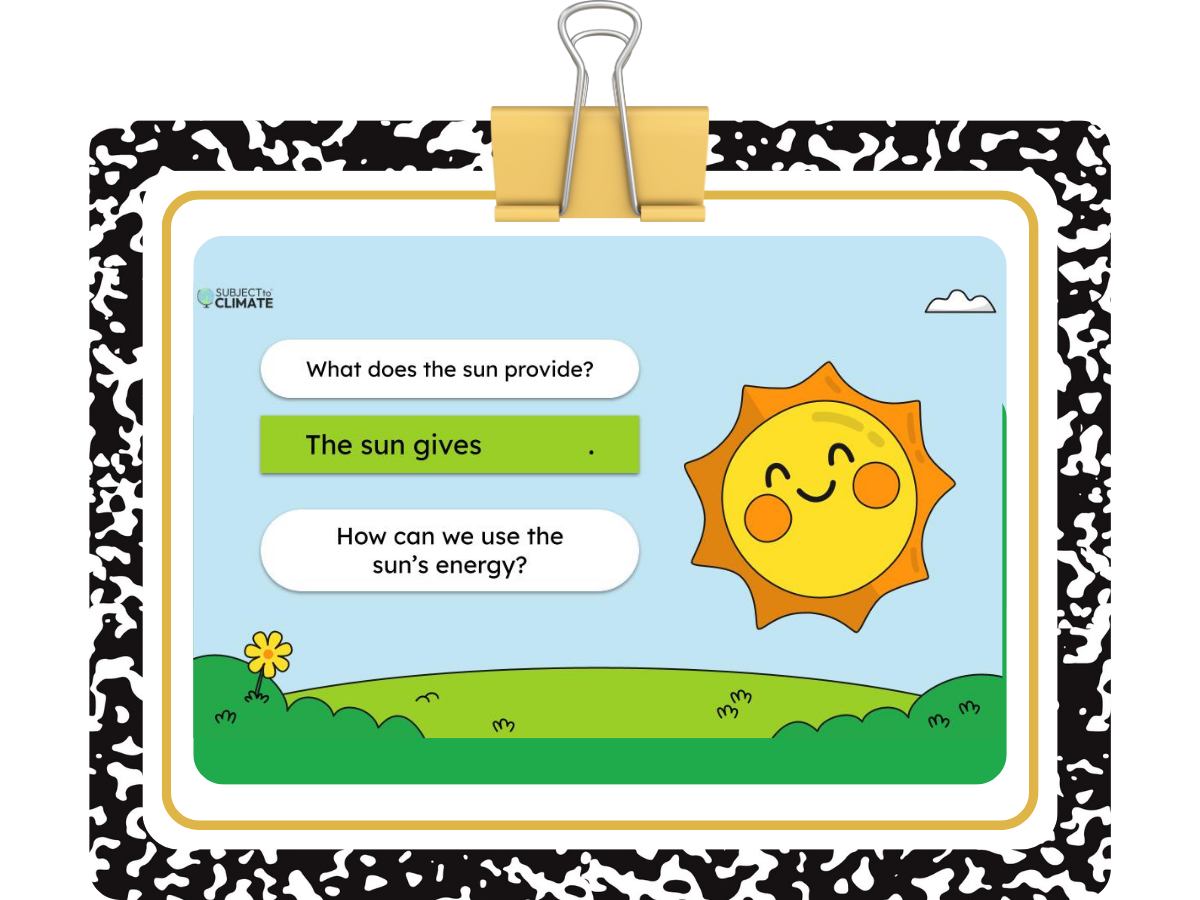
Sun Lesson for Kids
In this lesson, students investigate the many ways the sun supports daily life and explore how solar energy can be used as a clean energy source. It's a great entry point into both science and energy.
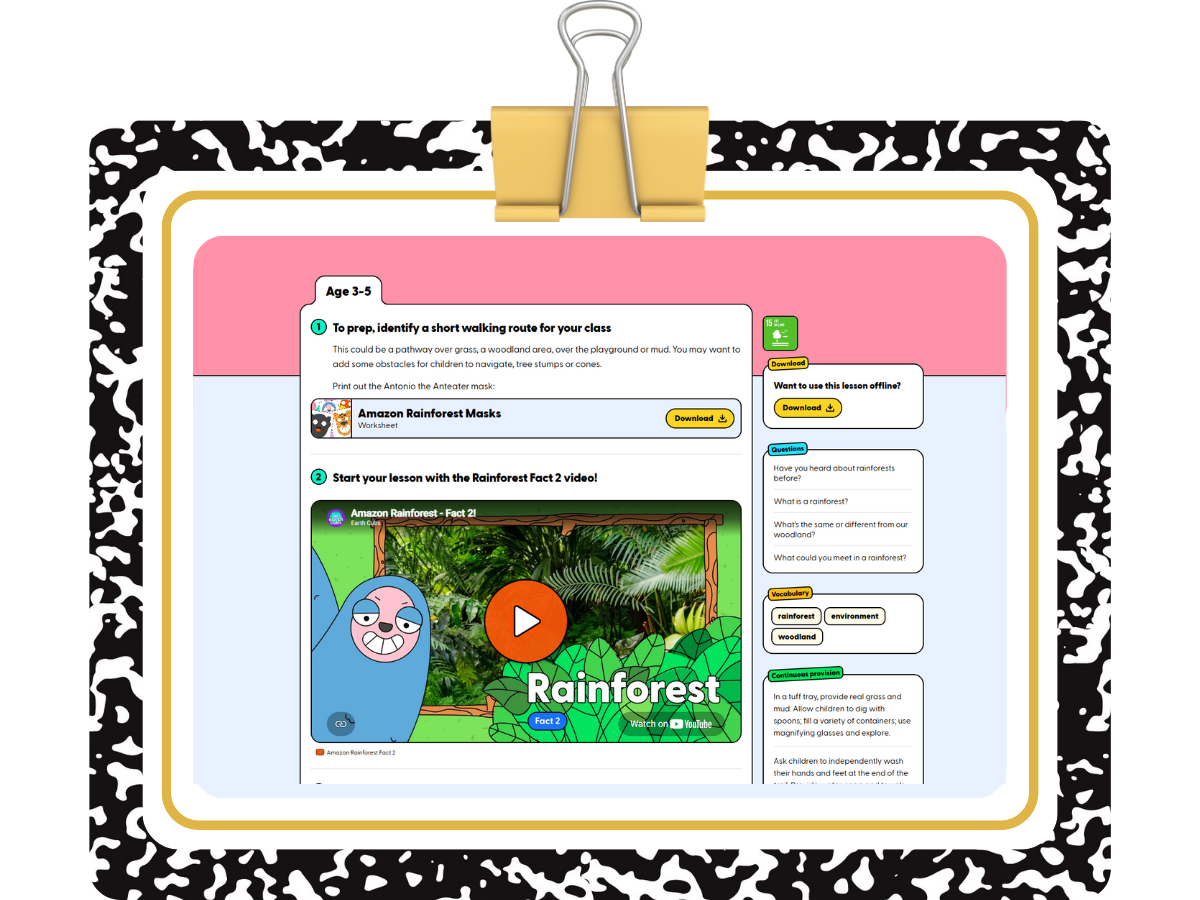
An Outdoor Adventure
This resource takes learning outside, inviting students to explore the natural world around their school through guided activities. It builds skills such as observation and questioning.
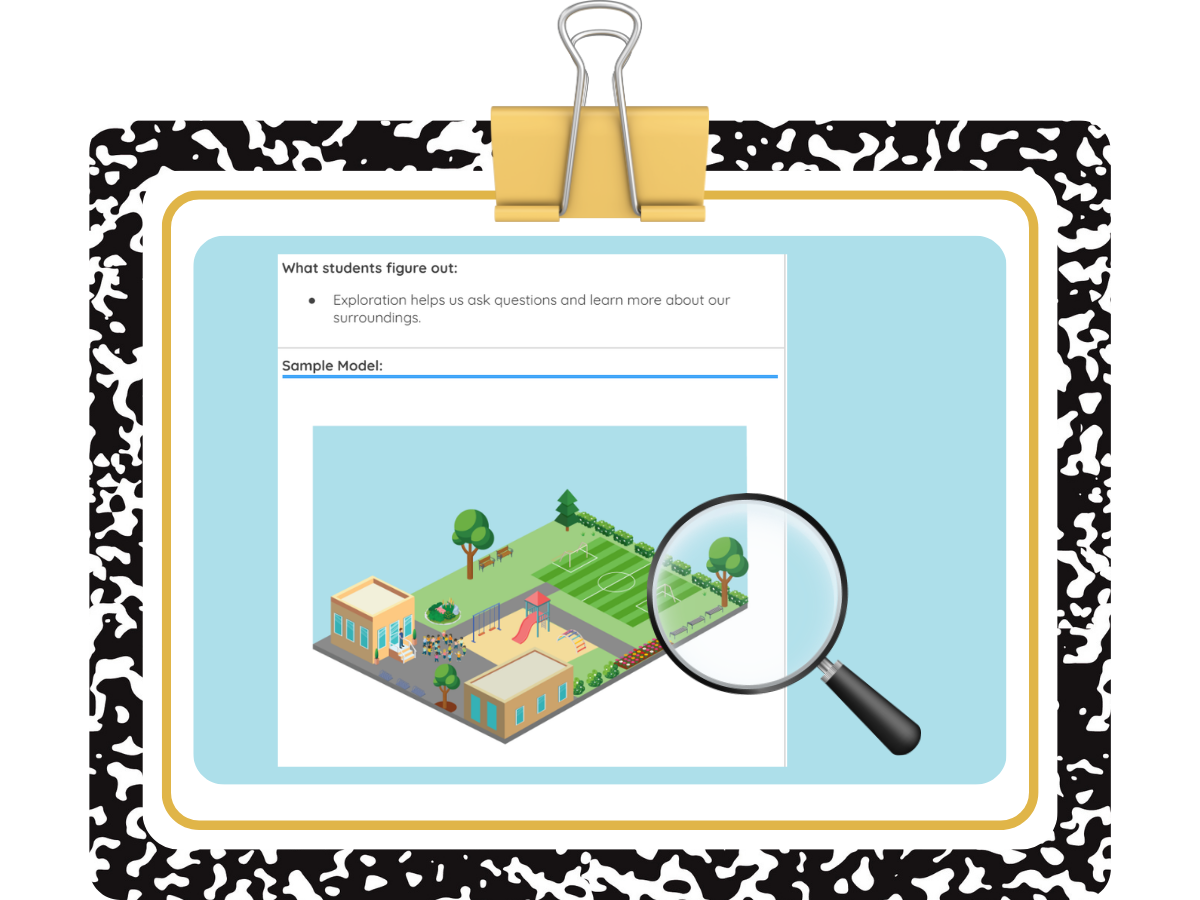
Observing Our Natural World
Students slow down and practice careful observation by exploring their schoolyard or nearby outdoor space, recording what they notice about plants, animals, and seasonal changes.
ELA Support
Literacy activities and resources that build foundational reading and writing skills while connecting students to nature and environmental themes.
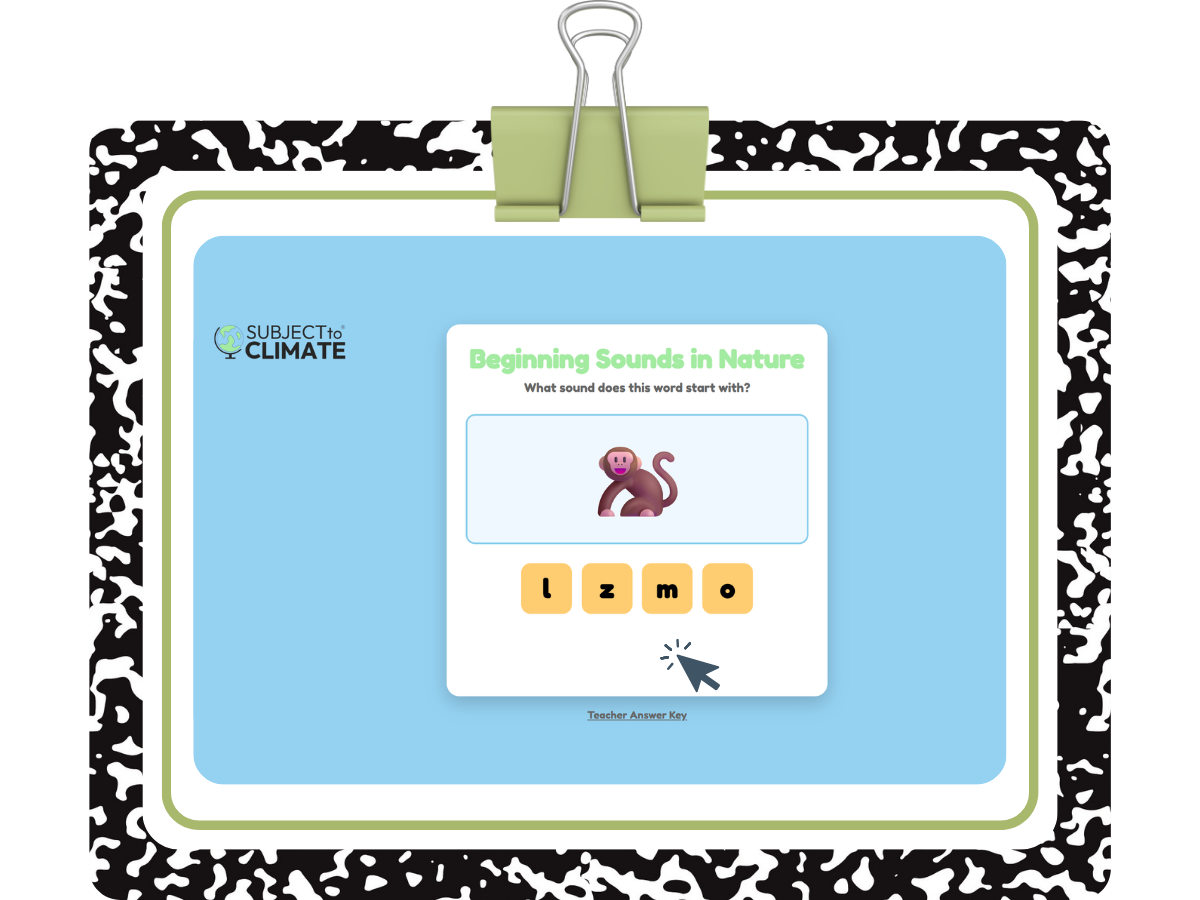
Phonics Game
This interactive phonics game uses nature-themed words and images to help students practice isolating and identifying beginning sounds, making it a fun addition to your literacy centers, whole-group, or small-groups.
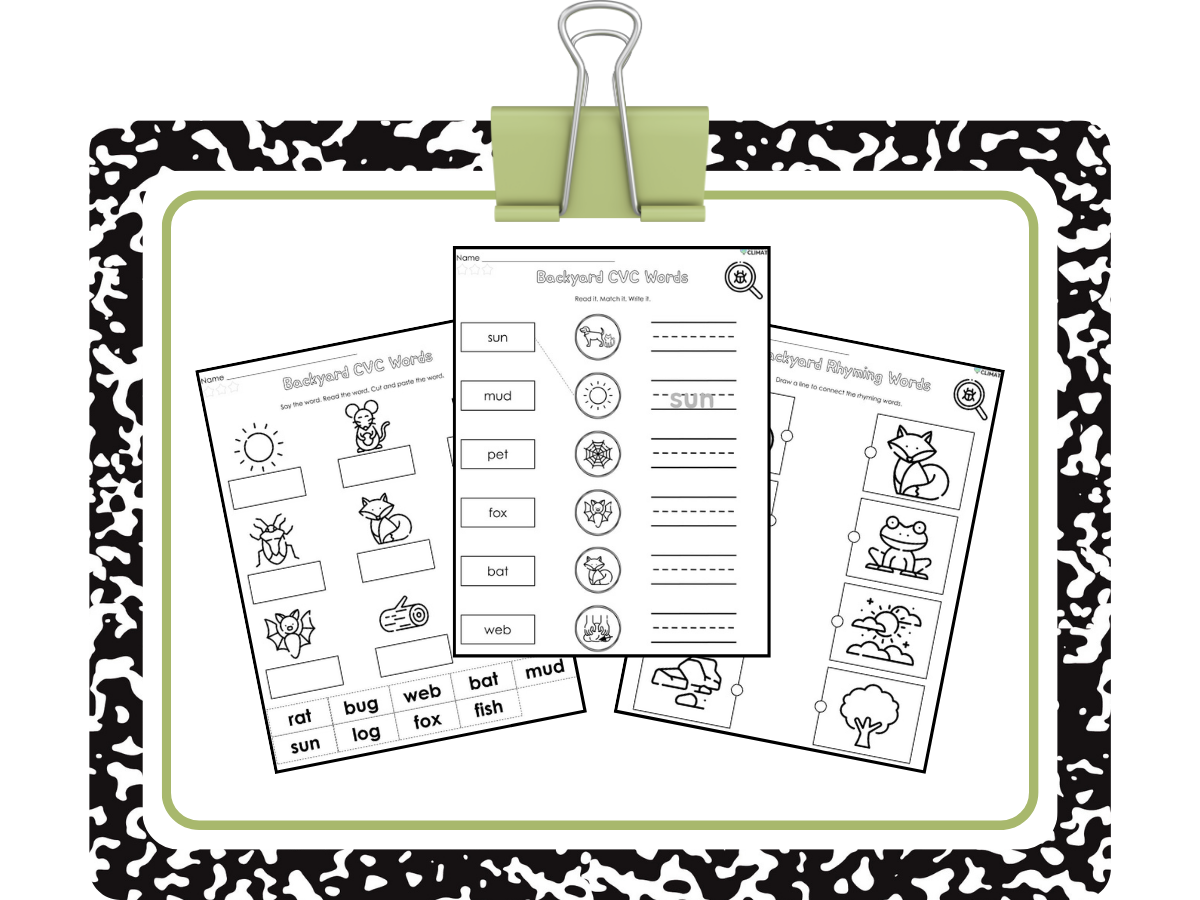
Backyard ELA: Printable Bundle
This print-and-go bundle covers a range of foundational literacy skills through nature-themed activities. It includes multiple activity formats, so you can use it for whole-group, small-group, or independent practice.
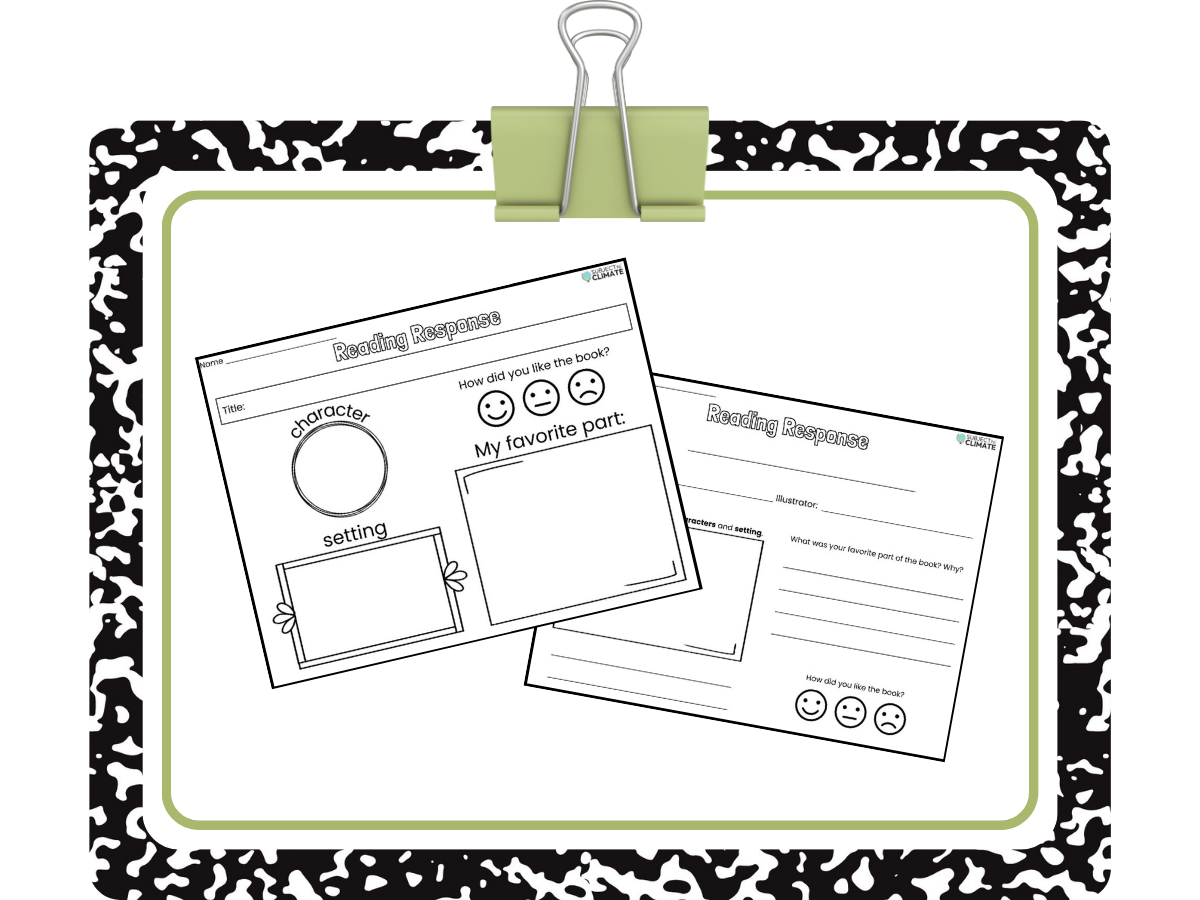
Response to Reading Pages
This simple, reusable graphic organizer helps students record their thoughts and feelings after reading or listening to a climate-related story and identify the characters and setting. It's helpful during the first weeks of school.
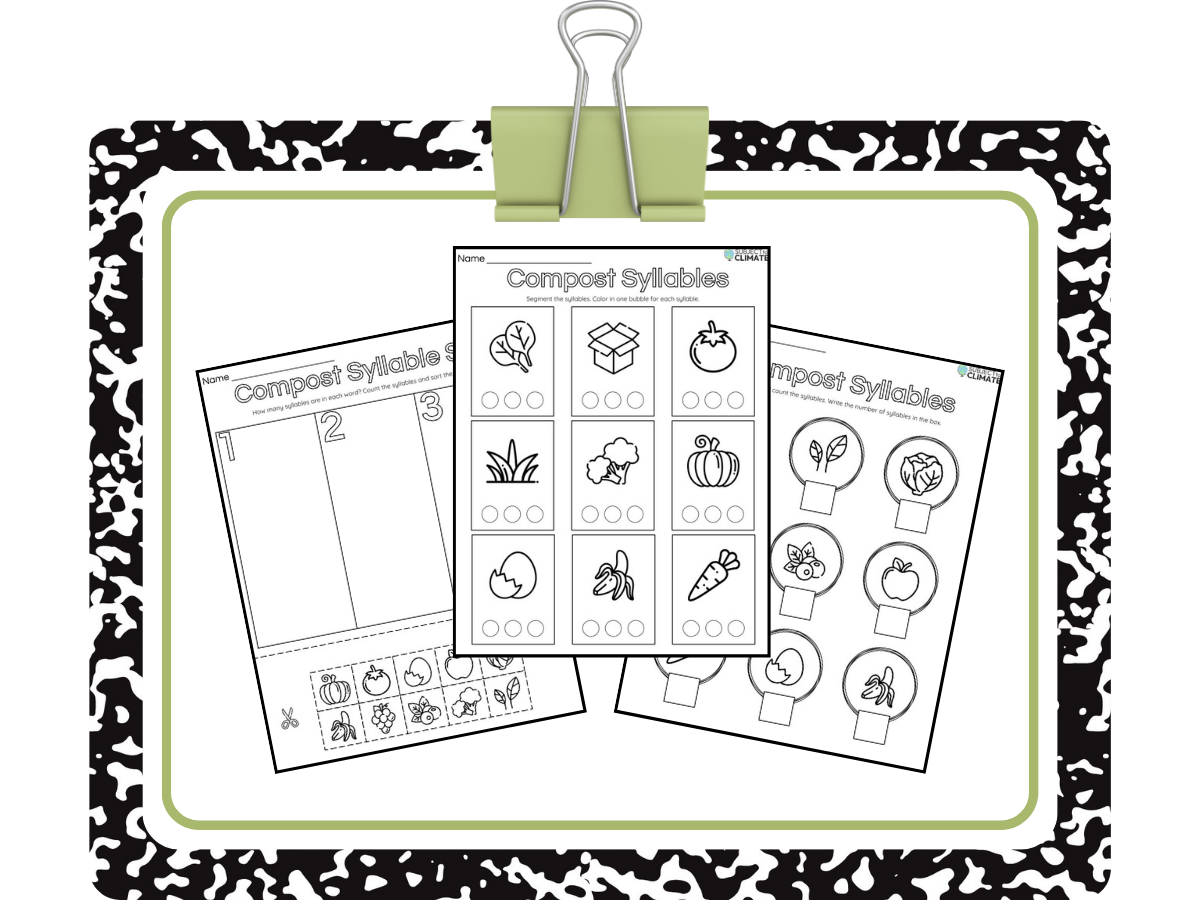
Composting Syllables Worksheet
Students segment and count syllables in compost-themed words using these practice pages, building phonological awareness in a fun, nature-connected context. They work well as a literacy center, bell ringer, or homework activity.
Math Support
These back to school math activities connect numbers, data, and shapes to the real world through a nature and climate lens.
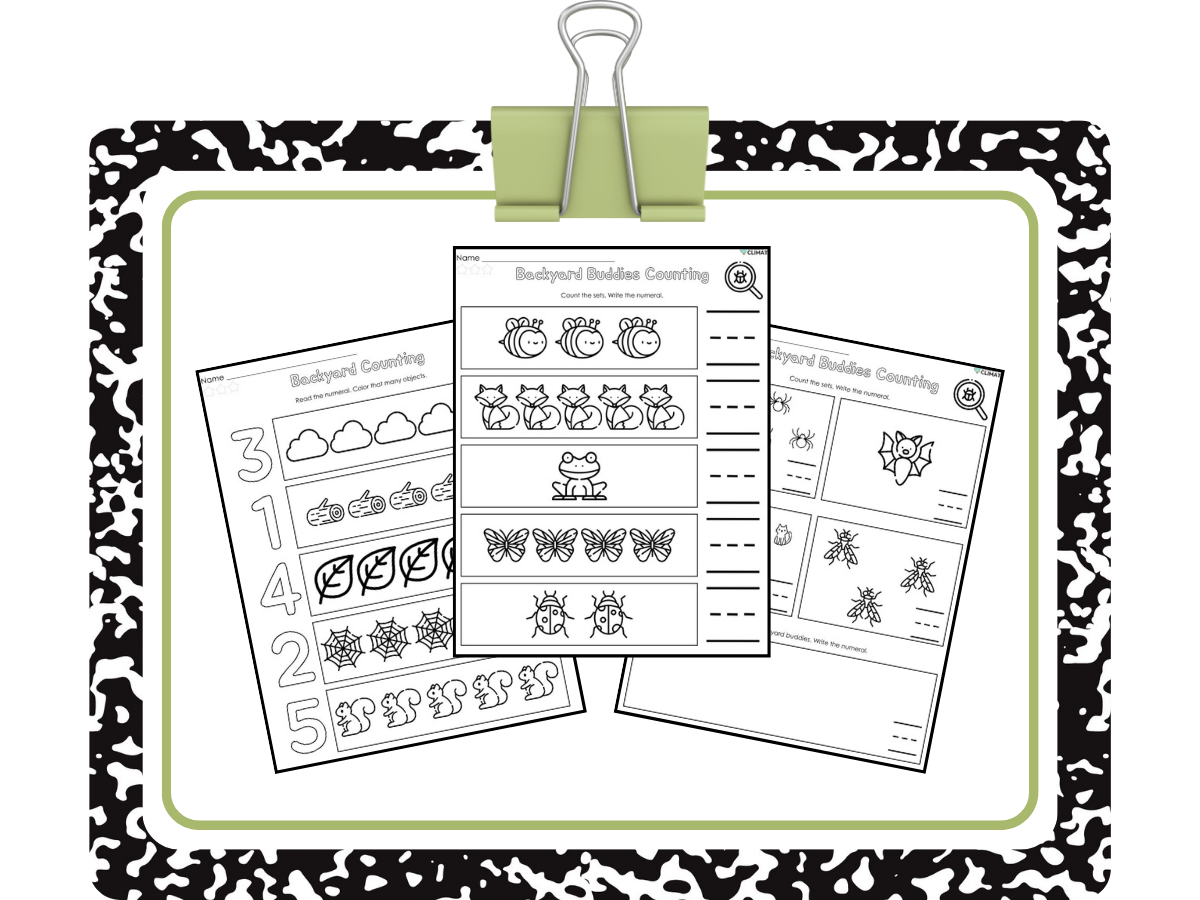
Backyard Math: Printable Bundle
This bundle provides students with hands-on practice through nature-themed activities. It reinforces skills such as counting, comparing, & patterning. It's a low-prep option that connects math to the outdoors.
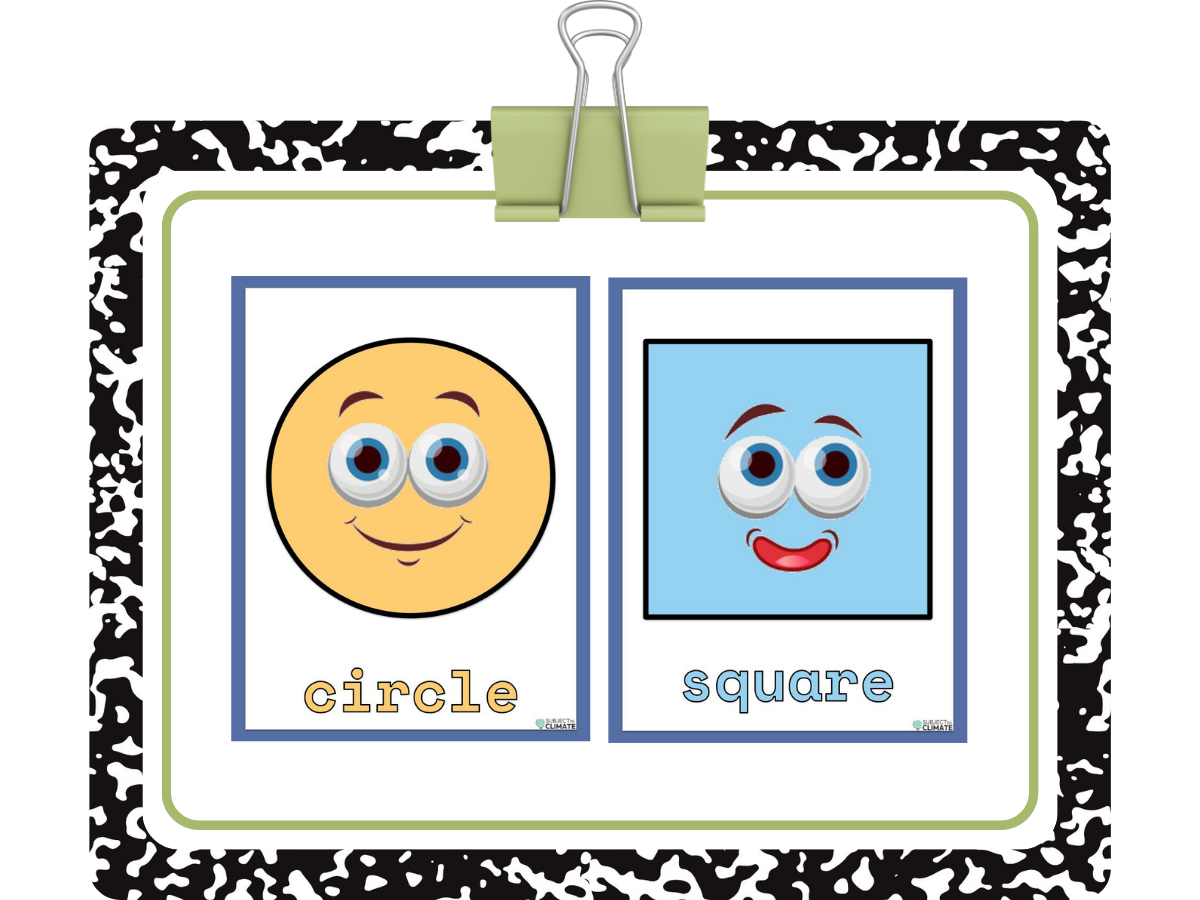
Shapes in Nature
Students explore the shapes they can find in the natural world around them, sharpening observation skills while practicing identifying and naming geometric shapes. This works as a group activity paired with center time.
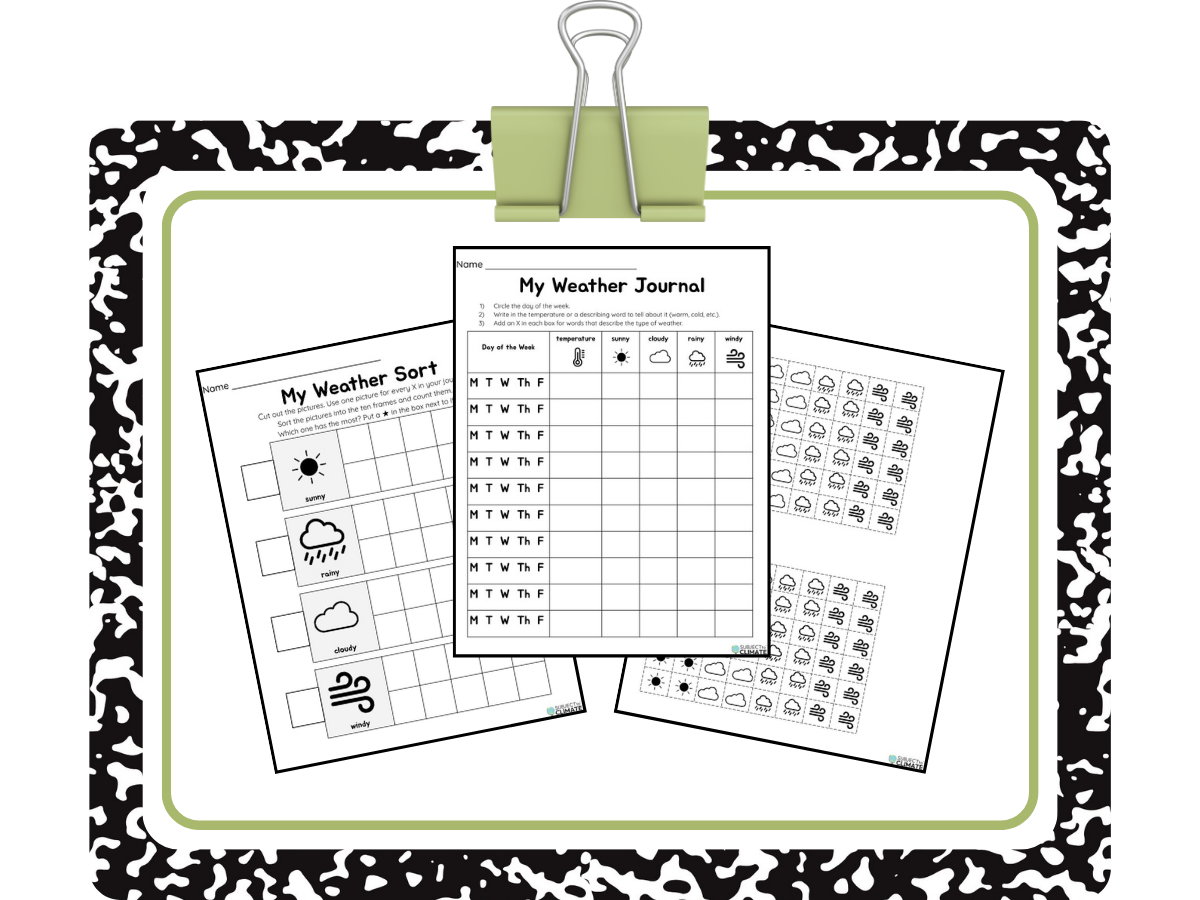
Weather Data & Graphing
Students observe and record daily weather, then graph their findings to build important math and science skills. Data collection can happen during calendar time, morning meeting, or math centers. It fits into your existing routine.
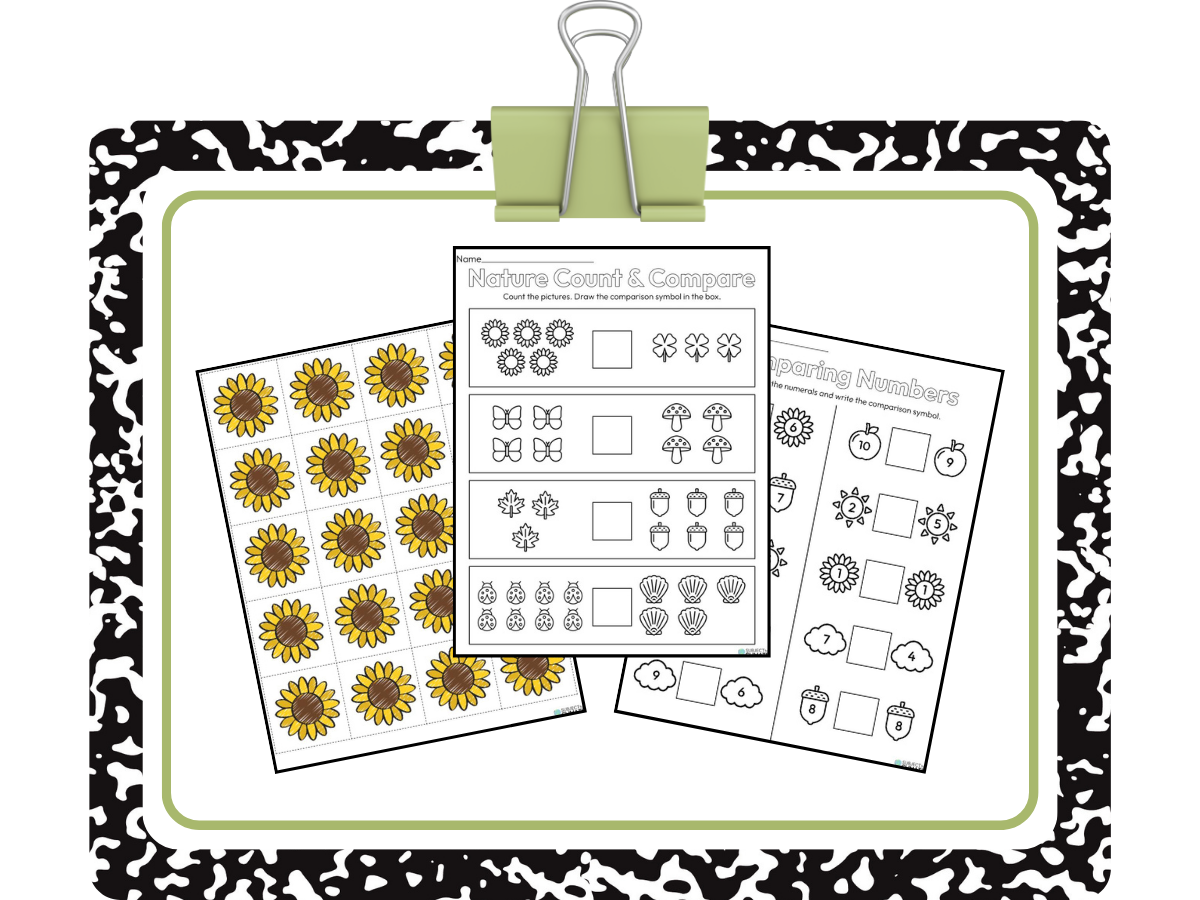
Counting Nature: Math Activity
This hands-on activity uses objects found in nature to count and compare, reinforcing early number sense in a concrete, engaging way. It's perfect for math centers, skill practice and review, outdoor learning time, or homework.
More Guidance For Back to School
FAQ
- Do I need any special materials or prep time to use these activities? Most resources in this guide are designed to be grab-and-go with little to no prep required. A few hands-on activities, like Plant Pigment Paint or Build a Tree, may require simple classroom supplies, but most are printable or digital and ready to use right away.
- Are these resources aligned to academic standards? Yes, every resource in this guide is standards-aligned. Activities are designed to reinforce grade-appropriate skills across science, ELA, and math, with connections to phonics, early number sense, data collection, engineering practices, and more.
- Can I use these resources if I don't have access to the outdoors or a natural space? Absolutely. While several activities invite students outdoors, most have an indoor alternative or can be adapted for a classroom setting. The digital games and printable bundles work entirely inside, and nature-themed content is woven in even when real nature isn't accessible.
- Do I need to teach climate change directly, or can I use these as general activities? Both! The resources work as gentle entry points into environmental themes without requiring a dedicated climate unit. You can use them purely for their literacy, math, or science value, and let the connections to nature and climate emerge naturally over time.
Key Takeaways
- The first weeks set the tone for the whole year. As Edutopia reports, researchers found that elementary teachers who explicitly taught procedures and routines in the first three weeks of school had measurably higher student engagement for the rest of the year than teachers with less established routines.
- These easy activities for your first weeks won't teach routines for you, but because they're low-prep and ready to use, they free you up to focus your energy on the routine-building and community-setting that matter most in the first weeks.
- Resources span every K-2 subject, including STEM, ELA, and math, with climate and nature themes woven in to give you cross-curricular options that fit your existing schedule.
- You've got all the easy activities for your first weeks that you need for a wonderful start to the year! These resources are ready to drop into your first weeks of school, no matter your subject, schedule, or experience level. Looking for more back-to-school activities elementary teachers can use across grades? Resources from SubjectToClimate.org scale from kindergarten through grade 2 and beyond. Here's to a great year of learning, growing, and connecting with the world around us.

Author: Elizabeth Ward
Some Resources in this Guide Provided by Our Partners