Why Your Allergies Get Worse Every Year
Provided by: Vox|Published on: April 27, 2021|Last updated: July 16, 2026
Grades: 6, 7, 8, 9, 10, 11, 12
Type: Videos
Subjects: Biology, Health
Authors: Vox
Location: Earth
This resource has been reviewed by SubjectToClimate's climate scientists and verified for scientific accuracy and up-to-date information. Learn about our review process →
This resource has been reviewed by SubjectToClimate's climate scientists and verified for scientific accuracy and up-to-date information. Learn about our review process →
Synopsis
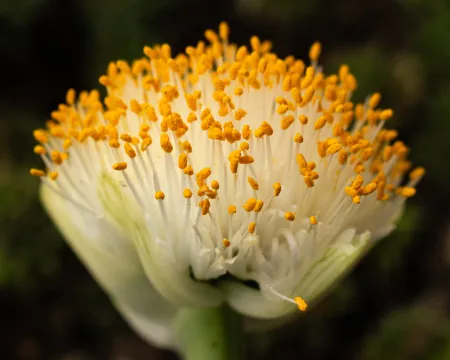
- This Vox video shows how an increase in carbon dioxide in the air has led to more pollen production, exacerbating seasonal allergies.
- Students will learn that as pollen levels increase, asthma and other respiratory health problems will become more frequent and more severe.
Teaching Materials
Positives
- This video teaches students about an interesting and lesser-known side effect of carbon dioxide emissions.
- Elegant illustrations and high-quality production value make this video fun to watch.
Prerequisites
- This video begins with an advertisement.
- Though briefly covered in the video, students may benefit from having background knowledge about greenhouse gas emissions and the carbon cycle.
Differentiation & Implementation
- Biology or general science classes can use this video in a unit about the respiratory system.
- Health classes can research the types of health risks associated with increased pollen as well as solutions to seasonal allergies and make public service posters to display in the school.
- Other resources on this topic include this video on the negative effects of increased carbon dioxide levels, this video that explains how trees can store carbon, and the American Lung Association's State of the Air Report.
Climate change is directly affecting people's health. Because carbon dioxide is a vital component of photosynthesis, increasing levels of atmospheric carbon dioxide are causing plants to produce more pollen. This is leading to a positive feedback loop where more and more pollen is created each year by the plants, in turn making allergies worse for people. This resource is recommended for teaching.
Teaching Tips
Standards
Resource Type and Format
Scientist Reviewed
This resource has been reviewed by SubjectToClimate's climate scientists and verified for scientific accuracy and up-to-date information. Our review process ensures that every resource in our library reflects the current state of climate science.
Learn about our review process →