
Turbo-charging Maine's Forests to Fight Climate Change
Provided by: The Nature Conservancy|Published on: April 27, 2021|Last updated: July 16, 2026
Grades: 6, 7, 8, 9, 10, 11, 12
Type: Videos
Subjects: Biology, Earth and Space Sciences
Authors: The Nature Conservancy
Location: North America, North America > United States, North America > United States > Maine
This resource has been reviewed by SubjectToClimate's climate scientists and verified for scientific accuracy and up-to-date information. Learn about our review process →
This resource has been reviewed by SubjectToClimate's climate scientists and verified for scientific accuracy and up-to-date information. Learn about our review process →
Synopsis
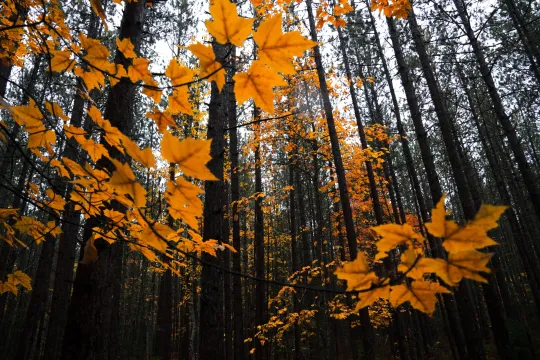
- This engaging video describes the importance of trees in fighting climate change and how individuals in Maine can help with this effort.
- Students will understand how trees store carbon and their importance as a climate solution.
Teaching Materials
Positives
- There is a focus on how individuals can impact climate change, having a direct impact.
Prerequisites
- Students should be able to interpret line graphs.
Differentiation & Implementation
- This would be a great resource to include in science or social studies classes to show how humans impact the earth.
- In biology classes, this could be integrated when learning about the structure of plants and trees.
- Some other resources related to this resource are this Ted-Ed video What Happens If We Cut Down All of a City’s Trees? and this activity Plant Trees.
This video underscores forest management techniques, using Maine's forest as a case study. These techniques are important for carbon sequestration and climate change mitigation. Thus, this resource is recommended for teaching.
Teaching Tips
Standards
Resource Type and Format
Scientist Reviewed
This resource has been reviewed by SubjectToClimate's climate scientists and verified for scientific accuracy and up-to-date information. Our review process ensures that every resource in our library reflects the current state of climate science.
Learn about our review process →