Pollinators for Kids
Lessons, Activities, & Worksheets
Students are naturally curious about the critters and creatures they encounter outside, and pollinators are endlessly fascinating! Why are pollinators important? Exploring that question with your students opens the door to rich, interdisciplinary learning about ecosystems, food supplies, and the natural world. This collection gives you everything you need to bring the topic to life for grades K–5, with ready-to-use pollinator activities perfect for warm-ups and hooks, full lesson plans, worksheets, and hands-on projects. Mix and match these resources to fit your schedule, your students, and your curriculum.
Students discover the important role bees play in pollination through this SciShow Kids video, which includes an introduction to flower anatomy and other pollinators.
A futuristic team of problem-solvers travels back in time to tackle pollinator loss in this Solar Punks video, helping students discover impacts on pollinator populations and how native plants can help.
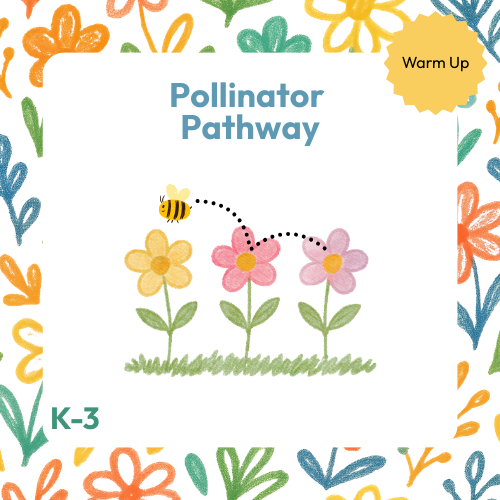
This interactive game from PBS has students plant a garden to help bees find their way to flowers, collect nectar, and pollinate, picking up fun facts about bees along the way. Perfect pollinator study starter!
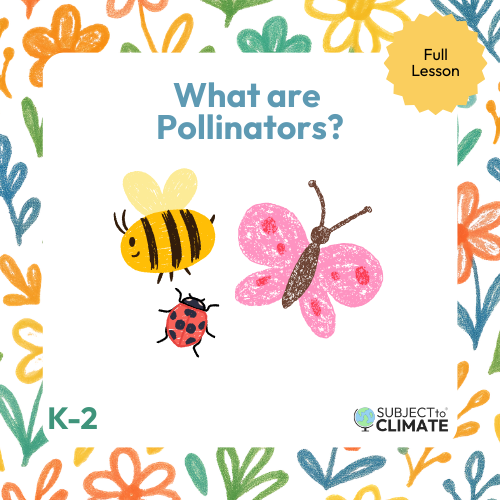
This ready-to-use science lesson from teacher-author Ghislaine Fandel introduces students to the relationship among flowering plants, pollinators, and humans through hands-on activities.
Through a read-aloud and a research activity, teacher-author Lisa Greenwood guides students in exploring the importance of bats. The lesson wraps up with students building bat boxes and sharing their learning!
In this teacher-created lesson, students explore the role bees play in our ecosystem and how humans impact them. The lesson includes a video, vocabulary, reading, and hands-on projects.
In this lesson by educator Elaine Makarevich, students explore why bees matter to humans and our food supply, moving from discussion and video to written captions and a personal action plan.
Through direct observation and model-building, students explore the vital role pollinators play in maintaining a healthy ecosystem in this science lesson from the Illinois Math and Science Academy.
These coloring pages, provided by CT DEEP, introduce two birds and their habitats. Place them in your art center or use them as a closing activity for a lesson on hummingbirds and other pollinators.
Students discover what insect hotels are and why pollinators depend on them through this Mongabay Kids activity, while exploring how simple habitat materials can support biodiversity and ecosystem health.
This thorough guide, from the National Wildlife Federation, walks students through every step of setting up a pollinator garden. It's a wonderful way involve everyone!
Created by educator Elizabeth Ward, this print-and-go bundle invites students to explore the natural world while practicing key ELA skills. Don't miss the companion resource, Backyard Math!
Little Kids - Big Questions!
What are Pollinators?
Pollinators are animals that help plants reproduce by moving pollen from one flower to another. Bees, butterflies, birds, bats, and other insects act as pollinators while they collect nectar or pollen from flowers.
This process is called pollination, and it helps plants produce fruits, seeds, and vegetables.
Why are Pollinators Important?
Pollinators are some of nature's most important helpers! When bees, butterflies, and other pollinators travel from flower to flower, they help plants grow the fruits and vegetables we love to eat. They also help keep forests, fields, and gardens healthy so that animals have food and places to live. In short, these tiny creatures do a big job that keeps our world colorful and full of life!
These resources are just a starting point for teaching about pollinators and exploring the wonderful world right outside our windows! For more activities, lessons, videos, and experiments about pollinators, animal habitats, and plant life, visit SubjectToClimate.org and discover even more ways to bring nature into the classroom.