Pollinator Pathway
Provided by: PBS Kids|Published on: March 24, 2026|Last updated: July 16, 2026
Grades: K, 1, 2, 3, 4
Type: Games
Subjects: Science
Authors: PBS Kids
Location: Earth
This resource has been reviewed by SubjectToClimate's climate scientists and verified for scientific accuracy and up-to-date information. Learn about our review process →
This resource has been reviewed by SubjectToClimate's climate scientists and verified for scientific accuracy and up-to-date information. Learn about our review process →
Synopsis
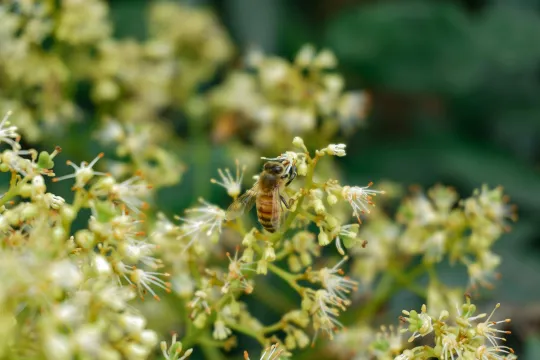
- In this web-based game, students will move bees from flower to flower to help them pollinate.
- Students will learn about the important role bees play in producing the foods we eat, as well as some things we can do to help the bees.
Teaching Materials
Positives
- Students will love the opportunity to decorate their own yard.
- This game is very easy to navigate, and students will love the simple but engaging concept.
Prerequisites
- Teachers may want to define the terms headwind and pollinator for students.
- It may also benefit students to understand the role of pollination in an ecosystem.
- Each level will take students about 3 minutes to complete.
Differentiation & Implementation
- Nature Cat and the mouse share fun facts throughout gameplay. Students can play while wearing headphones and record their favorite fun fact after completing the level.
- Teachers can use this as a resource for early finishers while working on projects or tasks for a pollinator lesson or unit.
- Students can record the flowers their bees pollinate, then choose one of those to research.
- Teachers can use this resource in combination with this lesson plan.
- To make connections to climate change, teachers can explain how climate change is impacting bee populations.
This game teaches players about pollinators with a focus on bees. Students will learn about why pollinators are important, where they find their food, and how to support them by playing the game. Audio is required. The information presented is accurate, and this resource is recommended for teaching.
Teaching Tips
Standards
Resource Type and Format
Scientist Reviewed
This resource has been reviewed by SubjectToClimate's climate scientists and verified for scientific accuracy and up-to-date information. Our review process ensures that every resource in our library reflects the current state of climate science.
Learn about our review process →