12 Easy News Articles for ESL Students
Teaching ESL students comes with unique opportunities, as beginning English learners are building the skills to understand and use a new language. Supporting them through this process can be incredibly rewarding, especially as you see their confidence and English language skills grow. These 12 easy-to-read English news articles for ESL students are short, engaging, and designed for ESL reading comprehension and vocabulary practice.
12 News Article Guides
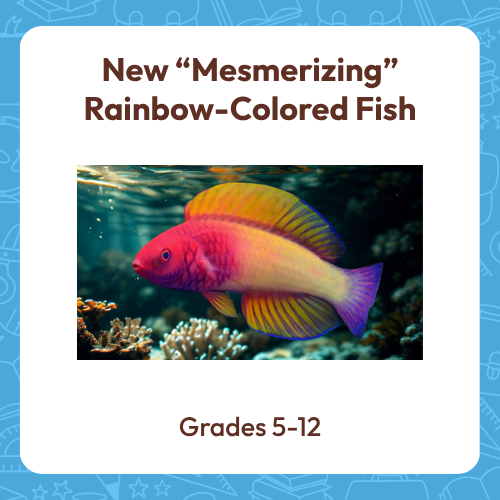
A rainbow-colored fish discovered off the coast of the Maldives is a newly identified species. ESL students describe the fish using simple English adjectives and create their own rainbow-colored species for a fun reading activity.
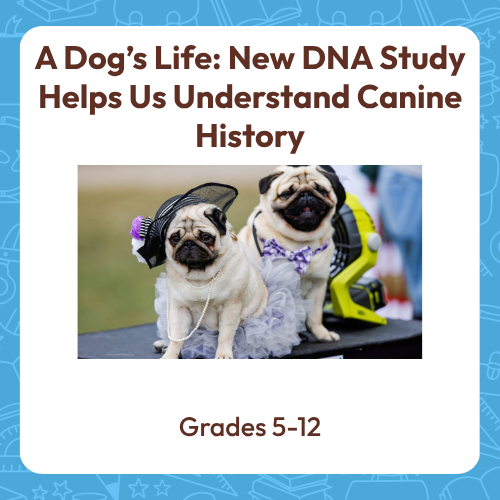
This article explains how dogs evolved from wild wolves into household pets. Students can create a timeline of canine evolution. They can also explore cause-and-effect by discussing how humans may have influenced the changes.
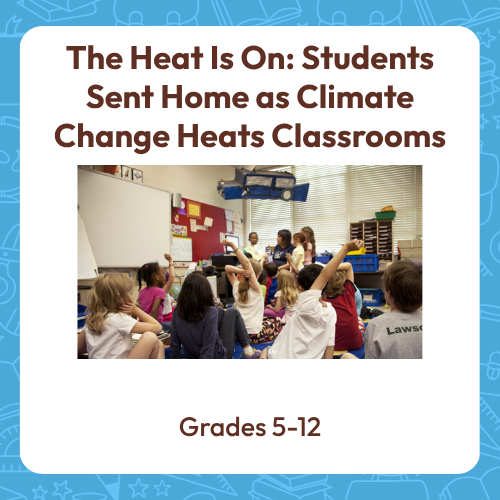
Rising temperatures are causing some schools to send students home. This article helps English learners learn about climate change and its effects on daily life. Teachers can discuss ways people adapt to hot weather.
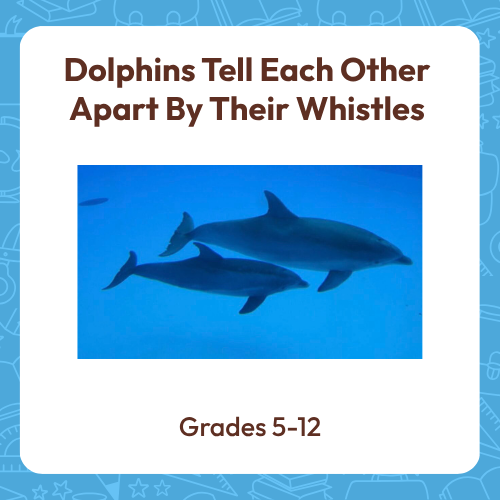
Dolphins use unique whistles to recognize each other. Students can practice English vocabulary related to sounds and communication. They can also imagine what it would be like if humans communicated with sounds like dolphins.
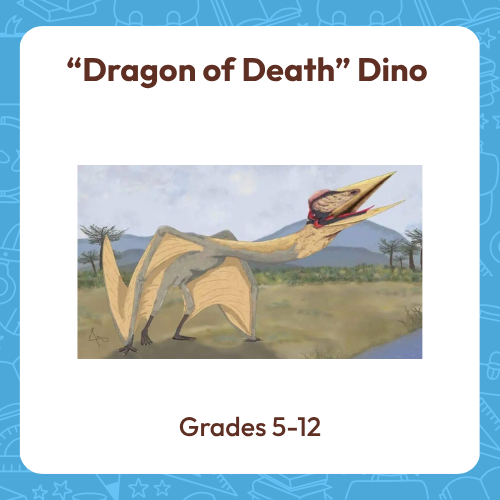
Scientists discovered a massive flying reptile fossil that lived millions of years ago. Students can learn about dinosaurs and prehistoric life. They can also practice descriptive writing and imagining what it was like when these animals lived.
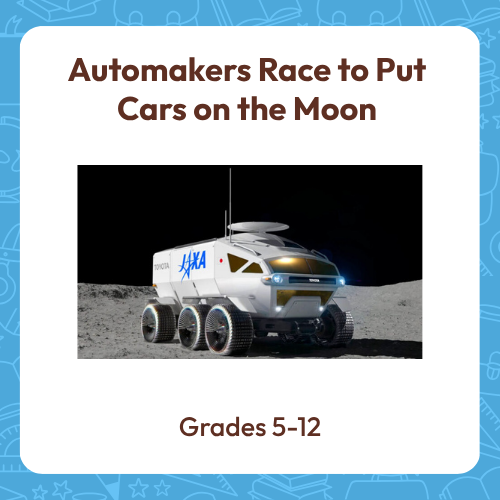
Companies are designing cars that can drive on the moon. ESL students can explore real-world news about space travel and technology. They can also imagine what it would be like to drive a car in space and build English vocabulary.
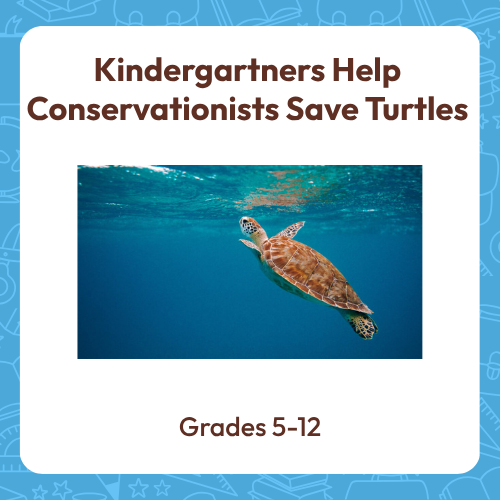
Young students helped release rescued turtles back into the wild. This news for students teaches about conservation and caring for animals. Students can write or discuss ways they can help protect animals in their communities.
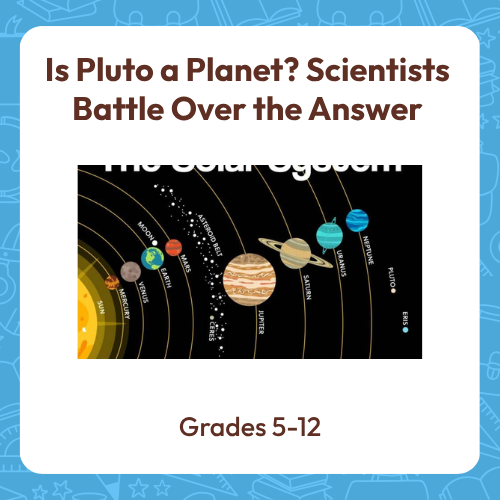
Scientists are debating whether Pluto should be considered a planet. ESL students can compare ideas and build language skills through discussion questions about what makes a planet in this engaging easy news article.
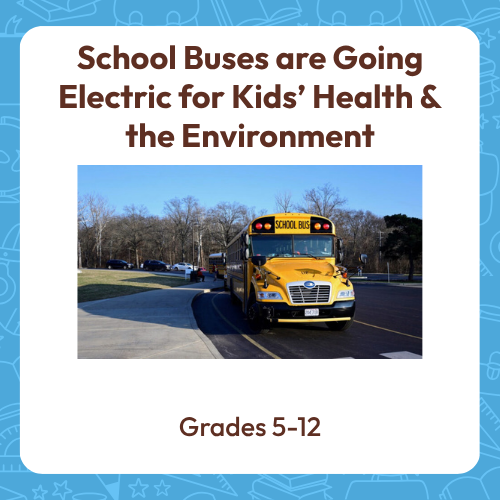
Schools are switching to electric buses to reduce pollution. Students can learn about clean, renewable energy and how it affects the environment. Teachers can discuss the benefits of using electric vehicles.
A flamingo unexpectedly escaped from a zoo and was later spotted in Texas. Students can practice sequencing as part of ESL reading practice by retelling the story and building English vocabulary through this fun news story.
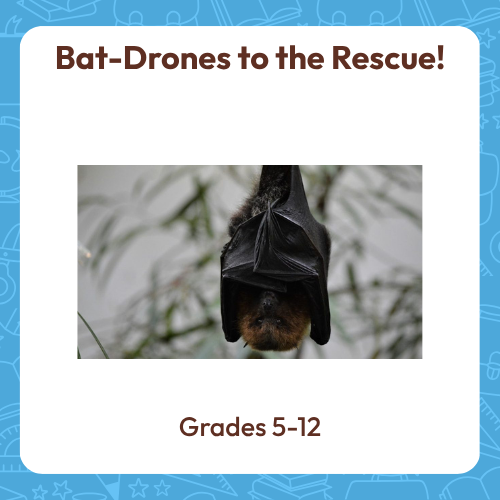
Researchers built small drones inspired by bats that use echolocation to “see” in darkness, smoke, or storms. These drones help in rescue missions others can’t enter. ESL students practice vocabulary and explain how drones help.
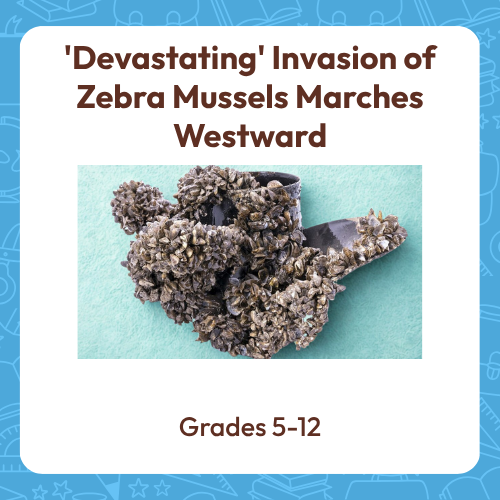
Zebra Mussels are rapidly spreading across the U.S., damaging lakes, rivers, and water systems. ESL students can learn vocabulary about nature and the environment and discuss why protecting native species matters.
How to Use These Articles
Step 1: Adjust the reading level. Set the article to a grade 5-12 level to match your students' ability.
Step 2: Assign it in Google Classroom. Share the article directly with your class in just a few clicks.
Step 3: Students read the article. They hover over underlined vocabulary words to see definitions as they go.
Step 4: Students take the comprehension check quiz. Every article ends with a quiz to check understanding.
Teacher and Authors:

Krista Nido
K-2 Teacher

Elizabeth Ward
Kindergarten Teacher