Urban Guide Lesson 2: Why Are Urban Forests Important?
Provided by: Wisconsin Center for Environmental Education|Published on: July 10, 2026|Last updated: July 16, 2026
Grades: K, 1, 2, 3, 4
Type: Lesson Plans
Subjects: Science
Authors: LEAF Wisconsin K-12 Forestry Education
Location: North America > United States > Wisconsin

This resource has been reviewed by SubjectToClimate's climate scientists and verified for scientific accuracy and up-to-date information. Learn about our review process →
This resource has been reviewed by SubjectToClimate's climate scientists and verified for scientific accuracy and up-to-date information. Learn about our review process →
Synopsis
- This lesson teaches students the benefits urban trees provide, including stormwater capture, pollution absorption, wildlife habitat, noise reduction, cooler temperatures, and mental and physical health benefits.
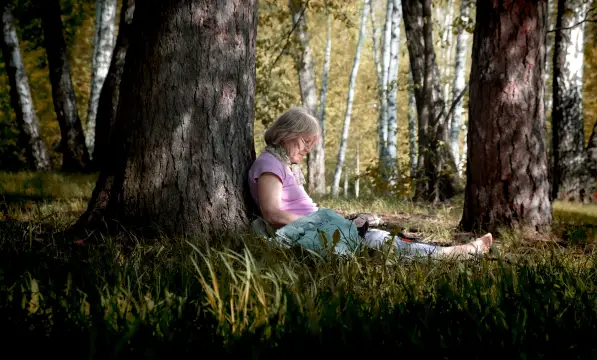
- Students hear a story about differing points of view on a street tree, do a mindfulness and micro-observation activity in a green space, and use thermometers to find local heat and cool islands on the school grounds.
- Students connect what they find to Wisconsin's warming climate and consider how a healthy urban forest can reduce urban heat island effects on hot days and warm nights.
Teaching Materials
Materials:
- To engage with this lesson, teachers in Wisconsin can borrow the associated LEAF kit for all necessary materials.
- Otherwise, teachers will need:
- Infrared thermometers or other means of measuring outdoor temperature (one per group of 2-4 students)
- One mini magnifying glass per student
- Blank sheets of paper
- Printouts of activity resources
Classroom Implementation:
- Use this lesson on its own or as a sequence with the rest of the urban guide unit (Lesson 1, Lesson 3, and Lesson 4).
- This lesson runs 65-90 minutes and includes one story-based activity plus two outdoor components, so plan for outdoor time and weather-appropriate clothing.
- Emphasize the safety rule that students must never point an infrared thermometer's laser at anyone's eyes.
- The mindfulness activity uses a five-senses countdown and before-and-after mood check-ins, which can support social-emotional learning alongside the science content and can be made into a classroom routine.
Differentiation:
- Adapt this lesson to your context by switching the background information in the "Urban Heat & Climate Change" section relevant data about your state.
- Follow age-based recommendations provided by the lesson authors to target the lesson to your students' grade level.
This lesson focuses on trees, their role in urban forests, and the potential problems and benefits associated with them. While discussing the benefits of trees, the lesson covers urban heat islands, climate change, air pollution, habitats, stormwater management, and the positive effects of nature on mental health. The information presented is accurate, and this resource is recommended for teaching.
Teaching Tips
Standards
Resource Type and Format
Scientist Reviewed
This resource has been reviewed by SubjectToClimate's climate scientists and verified for scientific accuracy and up-to-date information. Our review process ensures that every resource in our library reflects the current state of climate science.
Learn about our review process →