How to Keep Our Ocean Safe from Plastic Pollution

Synopsis
This 5-minute video showcases elementary students in Vancouver, Canada, and their action against plastic pollution in the ocean.
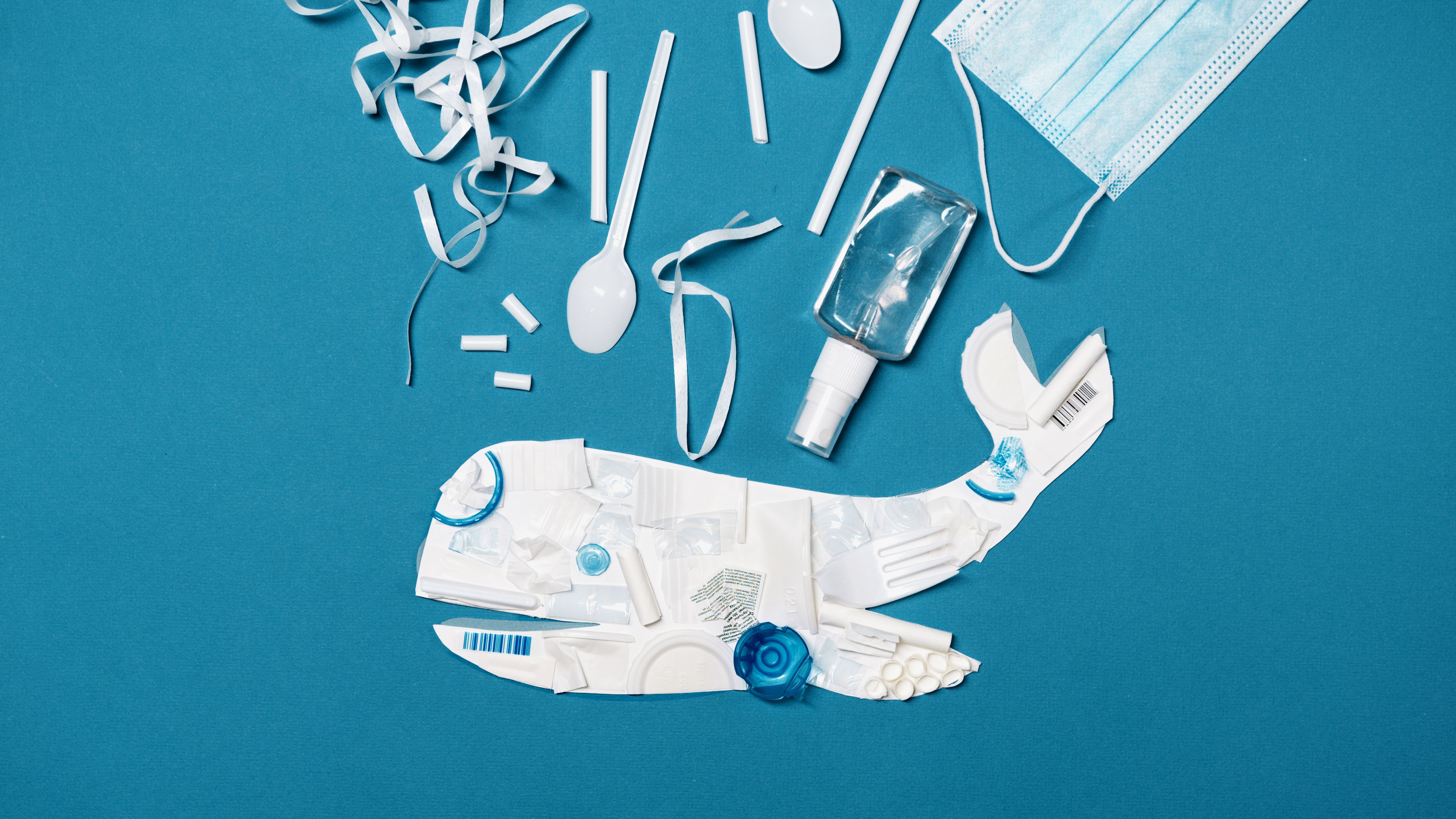
The students rescued discarded materials and turned them into marine creature art, which they call artivism.
Teaching Materials
Classroom Implementation:
Use this resource in social studies classes when discussing activism and how movements spark.
Use this resource in art classes to start a discussion about the power of art as a form of activism.
Use this resource in science classes to close a unit or lesson about harmful ocean plastics (consider using this unit from Ocean Wise).
Extensions:
Highlight how one of the students says that we weren't thinking "seven generations ahead". Discuss this concept with students, including its origin and how it might look to think this way.
Pulling inspiration from the video, have students create art from clean plastic waste and display it around the school.
Engage students in an engineering challenge in which they design a product that uses recycled plastic items that may otherwise end up in the ocean.
After watching, have students practice sorting clean classroom materials into trash and recycling bins.
Options for Action:
Engage students in an information campaign where they audit the waste in their school and work to reduce the waste that goes to the landfill or ocean.
Sustainable Development Goals Connections:
Use this resource to make connections to SDG 14, Life Below Water, and SDG 12, Responsible Consumption and Production.
Scientist's Note:
This resource highlights how students can get involved in protecting our oceans with small actions and encourages students to find creative solutions for pollution.
Scientist Reviewed
This resource has been reviewed by SubjectToClimate's climate scientists and verified for scientific accuracy and up-to-date information. Our review process ensures that every resource in our library reflects the current state of climate science.
Learn about our review process →