NJClimateWeek: Air Quality
Provided by: New Jersey Department of Environmental Protection|Published on: May 30, 2022|Last updated: July 16, 2026
Grades: 6, 7, 8, 9, 10, 11, 12
Type: Videos
Subjects: Biology, Health
Authors: New Jersey Department of Environmental Protection
Location: North America, North America > United States, North America > United States > New Jersey
This resource has been reviewed by SubjectToClimate's climate scientists and verified for scientific accuracy and up-to-date information. Learn about our review process →
This resource has been reviewed by SubjectToClimate's climate scientists and verified for scientific accuracy and up-to-date information. Learn about our review process →
Synopsis
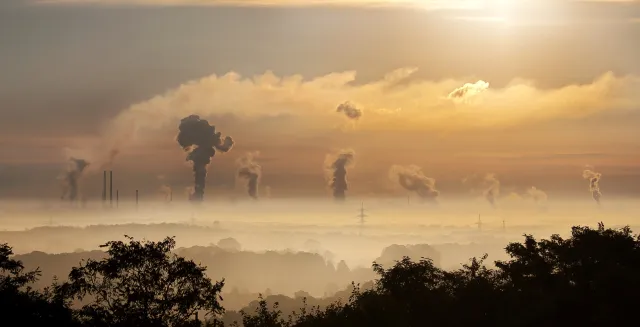
- This video from the New Jersey Department of Environmental Protection details the changing air quality in New Jersey due to higher temperatures.
- The video begins in Newark, where residents are experiencing higher than usual rates of asthma and hospitalization, which can be exacerbated by lower air quality.
- Many tools and suggestions are provided to viewers to help reduce their exposure to ozone and other pollutants.
Teaching Materials
Positives
- This resource features multiple perspectives from across New Jersey.
- The video focuses on New Jersey, but it can be used as an exemplar for many other geographic locations.
Additional Prerequisites
- Students would benefit from a general understanding of how air quality is impacted by warming temperatures.
- Teachers should note the misspelling of "Celsius" in the subtitles starting at 2:19 in the video.
Differentiation
- Social Studies classes could use this resource to discuss how local and state governments can and should legislate, advocate, and work towards lessening the impacts of global warming for their residents.
- Consider using this video to discuss how often the impacts of global warming are felt by the most vulnerable. What examples are discussed in the video? What other examples can students brainstorm?
- As an extension, have students consider which of the action items explained in the video would have the biggest impact. How can students, at an individual or group level, advocate for them?
- Other related resources include this article about Michigan's most toxic ZIP code, this video about a young climate activist, and this interactive map that shows environmental and demographic data.
The video presents the cascading impact of ground-level ozone and particulates on air quality. In New Jersey, the low-income and vulnerable groups are worst hit by air pollution. Notably, the government is making efforts to transition the energy, transportation, residential, commercial and industrial sectors to low-carbon sectors to limit air pollution and improve air quality in NJ. This resource is recommended for teaching.
Teaching Tips
Standards
Resource Type and Format
Scientist Reviewed
This resource has been reviewed by SubjectToClimate's climate scientists and verified for scientific accuracy and up-to-date information. Our review process ensures that every resource in our library reflects the current state of climate science.
Learn about our review process →