How the Pika Adapts to Climate Change
Provided by: Hot Mess|Published on: April 27, 2021|Last updated: July 16, 2026
Grades: 6, 7, 8
Type: Videos
Subjects: Biology
Authors: Hot Mess
Location: Earth
This resource has been reviewed by SubjectToClimate's climate scientists and verified for scientific accuracy and up-to-date information. Learn about our review process →
This resource has been reviewed by SubjectToClimate's climate scientists and verified for scientific accuracy and up-to-date information. Learn about our review process →
Synopsis
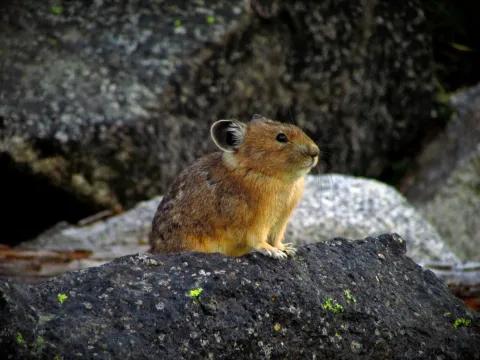
- This PBS video highlights the impacts climate change and temperature rise have on the Pika, a small mammal that lives in high-altitude regions.
- The video highlights how humans can learn from the fast behavioral adaptations Pikas are undertaking to adapt to climate change.
Teaching Materials
Positives
- The video incorporates humor, engaging imagery, music, and clear explanations to ensure it's both engaging and informative.
Prerequisites
- The video has commercials at the beginning and the end. The information finishes at 4 minutes and 12 seconds.
- Students will need to have a basic understanding of the concept of climate change.
Differentiation & Implementation
- Science teachers could use this video as a hook for learning about the topics of animal adaptation and climate change impacts.
- The resource Adelie Penguins could be used beforehand for middle school students who require more background knowledge about the impacts of climate change on animals.
- High school biology teachers can use this resource as a hook, then use 5 Plants and Animals Utterly Confused by Climate Change and Lizards in the Cold to analyze information and scientific data about animal adaptation, extreme climate events, and natural selection.
We are already seeing the adverse effects of climate change on animals around the world. While some have been driven to extinction or endangered status, others have been able to adapt, like the Pika. This resource is recommended for teaching.
Teaching Tips
Standards
Resource Type and Format
Scientist Reviewed
This resource has been reviewed by SubjectToClimate's climate scientists and verified for scientific accuracy and up-to-date information. Our review process ensures that every resource in our library reflects the current state of climate science.
Learn about our review process →