
UAE Quits OPEC, Shaking Already-Rattled Oil Markets
April 29, 2026

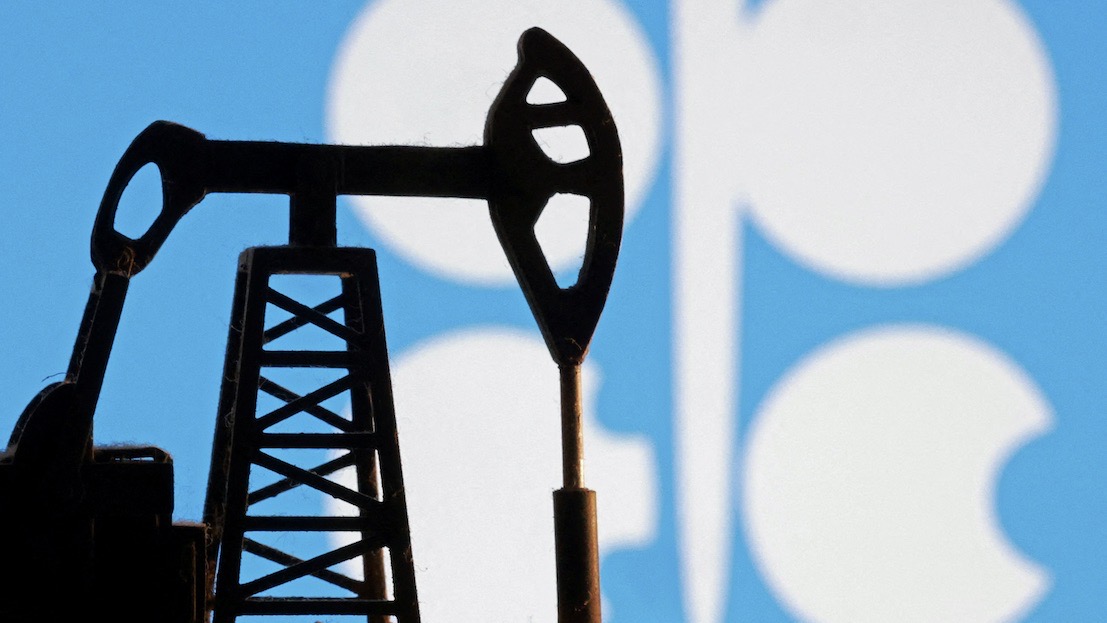
The United Arab Emirates (UAE) on Tuesday quit the Organization of the Petroleum Exporting Countries (OPEC). The move shook up global oil markets and raised concerns about OPEC's long-term outlook and potential economic downturns. The UAE leaves May 1.
OPEC is a group of oil producing countries that decides how much oil it sells to the rest of the world. By placing limits on how much each of these countries produce, OPEC keeps oil prices steady. That helps all members maintain profits and prevents too much oil from reaching the market at any one time. That can lead to major price drops.
OPEC was founded in 1960. The UAE has been a member since 1967. OPEC was formed so its member-nations could control the oil market. An expanded alliance known as OPEC+ was founded in 2016. It includes Russia.
The UAE is OPEC’s third-largest oil producer. It is leaving the group after years of complaining about OPEC's limits on how much oil it can produce. Prior to the US/Israeli war with Iran, the country was producing 3.4 million barrels of crude oil a day. But it could produce as much as 5 million barrels a day.
“This decision reflects the UAE’s long-term strategic and economic vision,” the government said in a statement. It vowed to bring more oil into the market, "aligned with demand and market conditions."
The short-term impact of the UAE’s departure is clouded by the war and Iran’s closure of the Strait of Hormuz. Its closure has spiked global oil prices. Experts worry that OPEC was in decline before the UAE chose to leave. Their concern is that it could lead to a flood of oil in the market. That could lead to price crashes.
Reflect: What can happen when members of a group no longer agree on shared rules or goals?
Photo of an illustration of a model of an oil pump in front of the OPEC logo from Reuters.
News brought to you by 
Read More News Stories Today!