Sri Lanka Military Deploys Drones to Fight Dengue-Spreading Mosquito Army
July 28, 2026

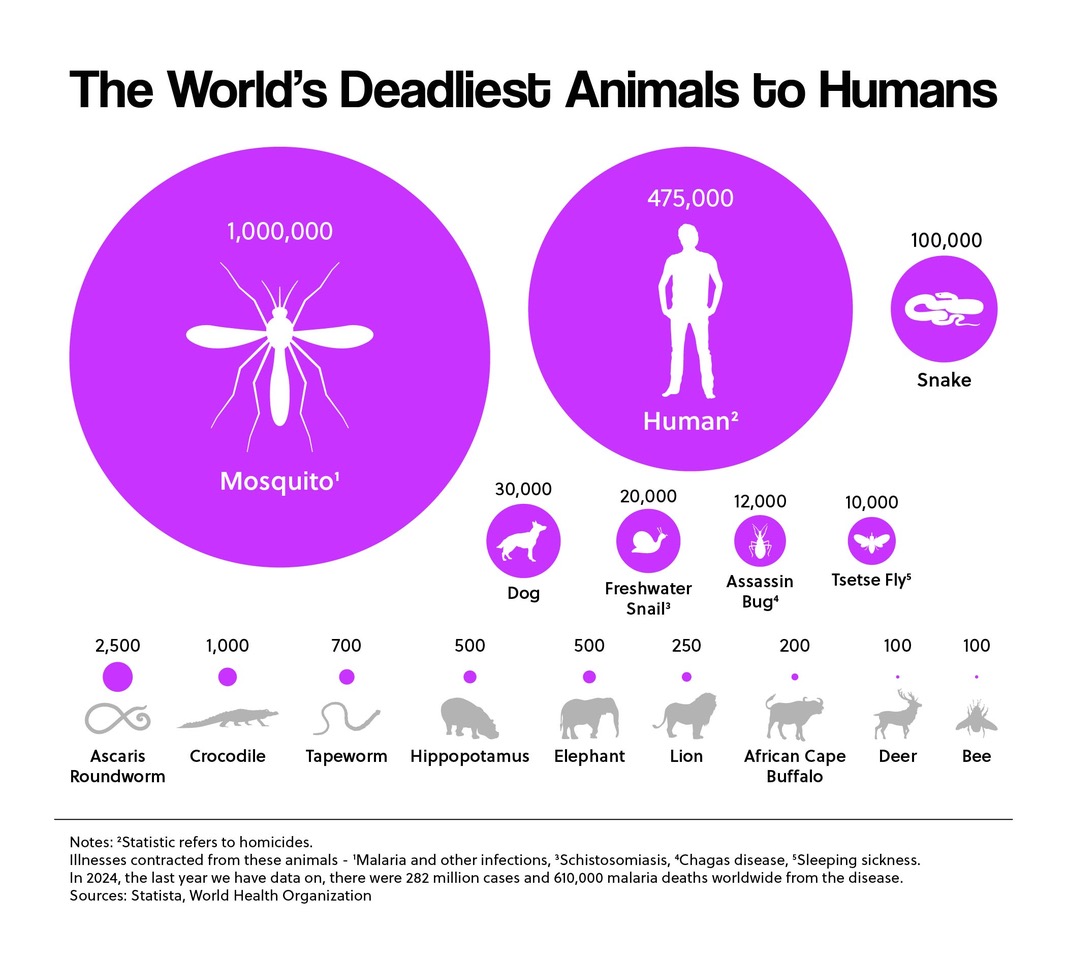
Mosquitoes are the source of Sri Lanka’s deadliest outbreak of dengue fever in almost a decade. When they fly close enough to your head, they make an unmistakable droning sound. So perhaps it’s fitting that health officials have turned to the country’s air force drones to combat the problem.
The dengue virus has killed 56 people and infected more than 77,000 in the South Asian island nation. Leaders reported more than a quarter of those cases in July alone. The surge has overwhelmed the hospital system. Dengue can cause high fevers, rashes, headaches, and joint pain. Severe cases can lead to internal bleeding or death. There are also many strains of the disease. As a result, there is no vaccine that works for all of them. That makes prevention a key strategy in lowering infection rates.
To work on prevention, the Sri Lankan Air Force has deployed combat drones. The drones aren’t equipped with nets or bug-zapping lasers. Instead, they are being used for their cameras. The drones can help locate pools of stagnant water that mosquitoes use as breeding grounds. Once found, the pools are treated to kill mosquito larvae. So far, over 11,000 sites have been cleared.
Late last year, Sri Lanka was hit with a major cyclone. It caused $1.5 billion worth of damage. Massive rains flooded communities. The floods left behind standing water ripe for a mosquito boom. The storm damage and the rise of dengue cases have forced hospitals to turn many patients away.
“The doctor asked me to stay at home,” one dengue sufferer told Reuters. “Then I did my treatment at home because there are too many patients in the hospitals.”
Reflect: What's something you do to take care of your health, even when it's inconvenient?
News brought to you by 
Read More News Stories Today!