
Scientists Lift Shell on Mystery of Sea Turtle 'Lost Years'
February 10, 2025

Crush, the laid-back sea turtle of Pixar’s Finding Nemo movies, might extol the virtues of chillin’ out and letting the tide take you wherever it may. But young members of his species don't seem to follow that advice.
Scientists often refer to the first few years of a sea turtle’s life as “the lost years.” Older sea turtles can be tracked. This is because their sturdy shells are great for pinning on trackers and tags. But young sea turtles’ shells molt quickly. That makes it hard to figure out where they go.
“We’ve had massive data gaps about the early baby to toddler life stages of sea turtles,” Kate Mansfield told The Associated Press. “This part of their long lives has been largely a mystery.” Mansfield is a marine scientist. She works at the University of Central Florida.
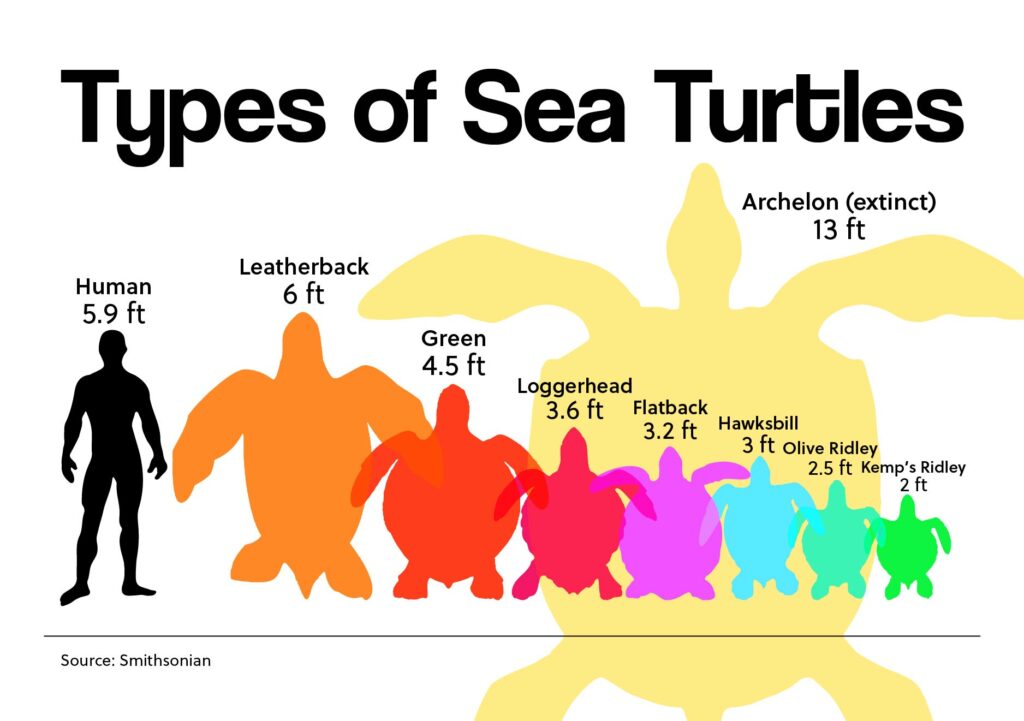
Mansfield's team attached and re-attached trackers to hundreds of turtles. They studied loggerheads, green sea turtles, hawkbills, and Kemp’s ridleys. They gathered data a week or a month at a time. The trackers showed patterns of movement for the tiny sea turtles.
“What we’ve uncovered is that the turtles are actually swimming” rather than drifting with the tides, said ecologist Nathan Putman, the study's co-author. That knowledge, the team hopes, will make it easier to study — and save — sea turtle species in the future.
The study was published Tuesday in the journal Proceedings of the Royal Society B.
Reflect: How can discovering new information about animals change the way we protect them?
News brought to you by 
Read More News Stories Today!