Scientists Find Potential Link Between Air Pollution, Obesity
July 9, 2026

Health experts have spent decades studying why the rate of childhood obesity has continued to climb in the US and elsewhere. They've looked at kids' diets. They've analyzed exercise patterns. Now they are broadening their search for causes. In doing so, they have found a new factor. It's not in what kids eat, but in the air they breathe.
“A lot of the obesity research ... may not include environmental exposures, including air pollution,” Jamil Lane told The Guardian.
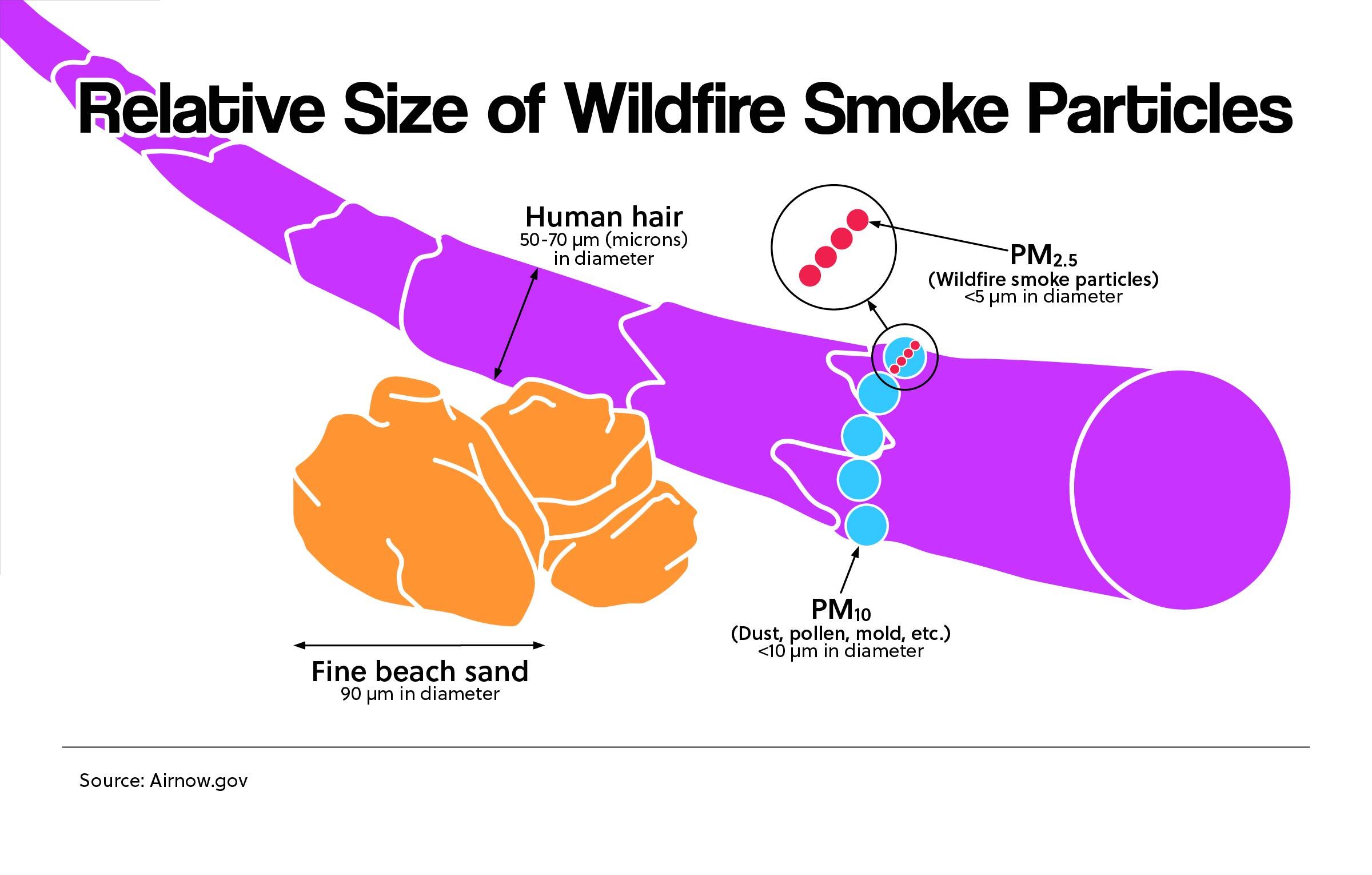
Lane is a researcher at Mt Sinai’s Icahn School of Medicine in New York. He co-authored a peer-reviewed report on air pollution and obesity. It was published recently in the journal Nature. The report examined the effects of tiny particulate matter on the bodies of young people. The particles are classified as PM2.5. That means they are smaller than dust motes or pollen. They can pass through the lungs and into the bloodstream or brain if inhaled. They have already been linked to heart disease, many forms of cancer, and cognitive issues. PM2.5 particles can come from wildfire smoke, smog from factories, and other sources.
Lane looked at data from newborns and infants in high-pollution areas of Mexico City. He found that exposure to air pollution shortly after birth was linked with poorer impulse control later in life. That's likely because the PM2.5 particles disrupted the development of certain regions of the brain. Those areas are known to help kids make decisions and moderate what they eat. In other words, exposure to air pollution as a baby made it harder for children to resist the impulse to overeat as they grew older. The more PM2.5 particles infants breathed, the more likely they were to be obese when they reached ages 4-8.
“These findings suggest that reducing early exposure to PM2.5 could support healthier (brain and appetite) development in children,” the report’s authors wrote.
Reflect: What's something around you that could be affecting your health without you even realizing it?
News brought to you by 
Read More News Stories Today!