'Petrified Aquarium' Puts Paleocene in Perspective for Paleontologists
June 16, 2026

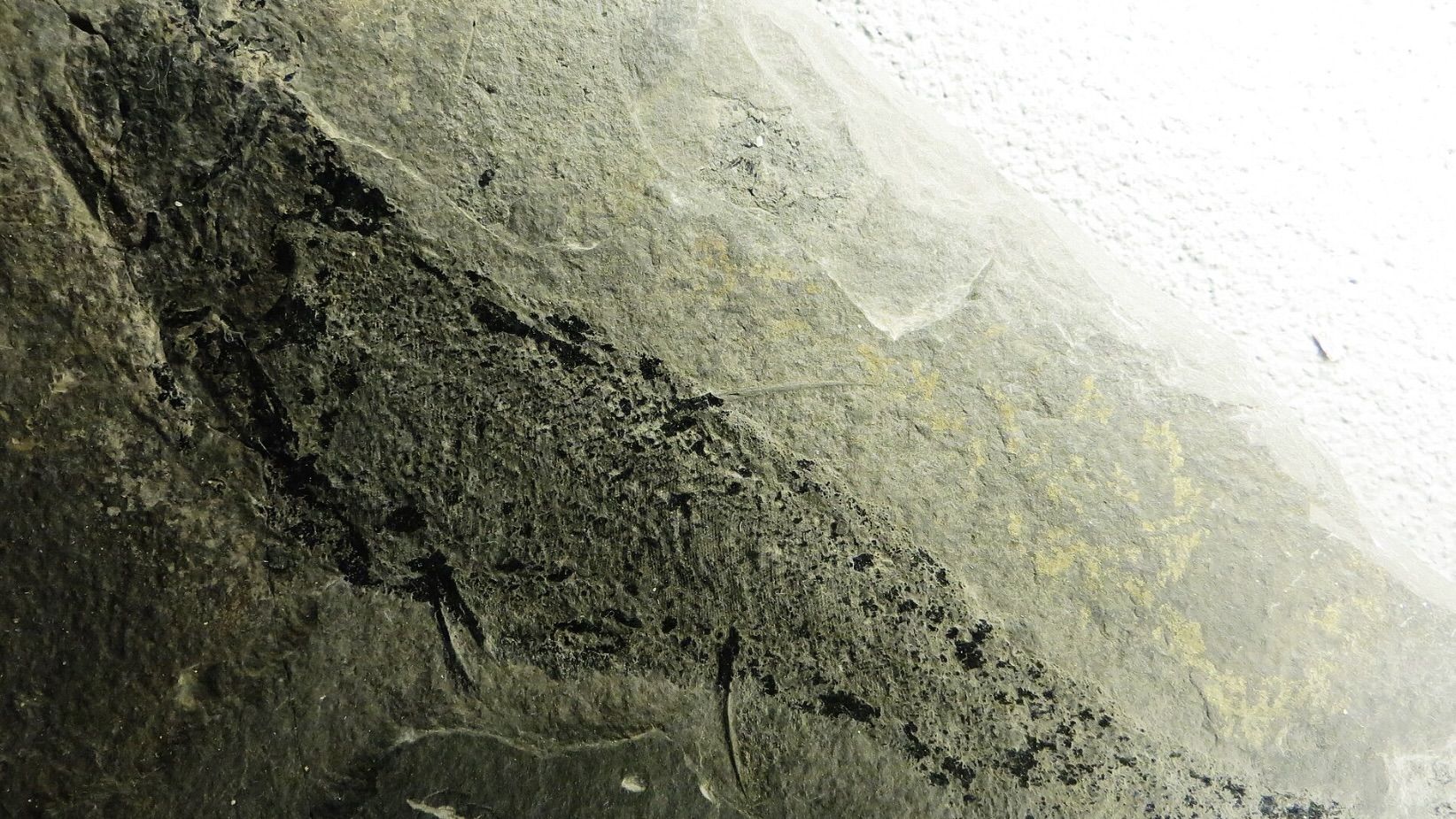
Paleontologists in Egypt have found a site with a massive amount of fossilized fish. Experts are calling it a “petrified aquarium.”
"We knew we were dealing with something exceptional," Sanaa El-Sayed told National Geographic (NatGeo). He's a paleontologist at Mansoura University in Egypt.
El-Sayed led the team that excavated the Qreiya 3 dig site. It's a layer of rock that formed the bed of an ocean 62.2 million years ago. That was roughly the start of the Paleocene epoch. The fish species that lived there were closely related to those that survived the violent end of the Cretaceous period. That's when an asteroid struck Earth and caused the extinction of the dinosaurs.
El-Sayed’s team found more than 500 fossils. Many show the fishes’ scales, bones, and even fin shapes in great detail. The specimens are so well preserved that the researchers were able to name at least 21 species of fish. Many of them evolved into today’s marine species. They include tuna, seahorses, anglerfish, and perch. In fact, most of the fossils were percomorphs ("perch-shaped").
"Percomorphs were already present before the extinction," El-Sayed told NatGeo. But he noted that their numbers increased by a lot in the years to follow.
The dig site at Qreiya 3 helps plug a 10-million-year hole in history, experts say. It's known as the “Patterson Gap.” It was named for the scientist who first noticed it. It's marked by the lack of fossils of bony fish from the era. That gap has confused experts for years. Qreiya 3 provides some answers.
El-Sayed’s team published its findings this month in the journal Science Advances.
Reflect: What can discoveries from the distant past teach us about the world we live in today?
Photo of prehistoric fish fossil from Wikimedia Commons.
News brought to you by 
Read More News Stories Today!