Largest Organic Compounds Ever Found on Mars Could Point to Past Life
March 31, 2025

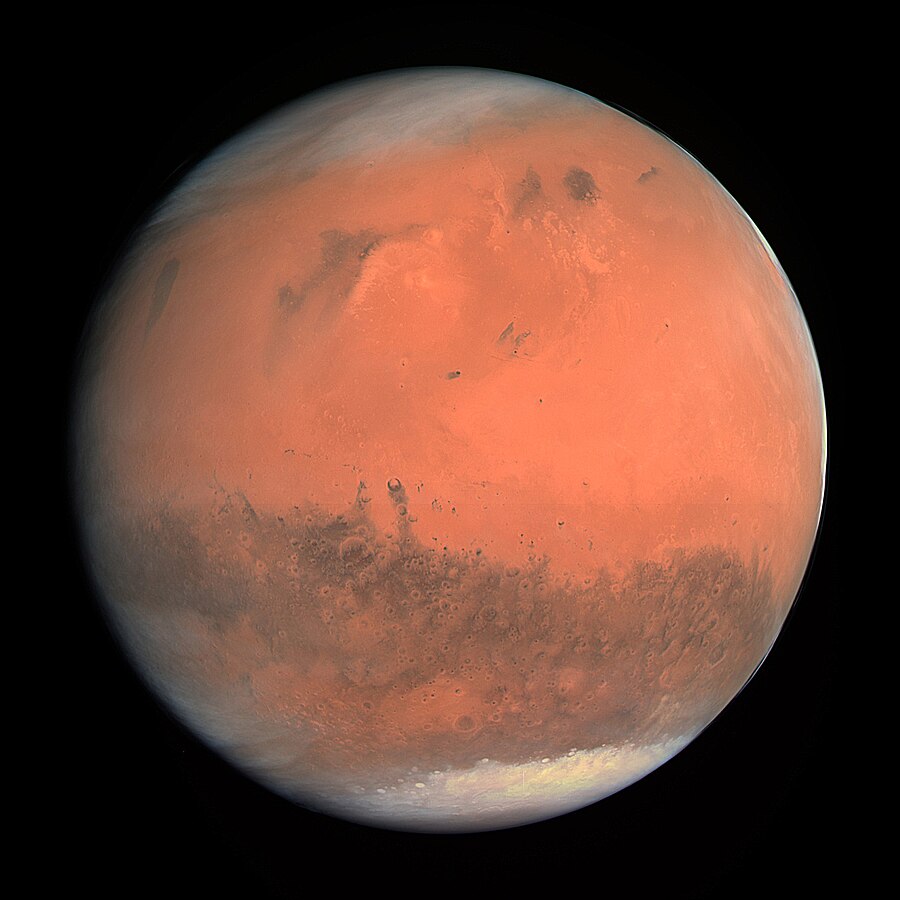
Robotic explorers may have inched closer to evidence of ancient life on Mars. They've unearthed the largest organic molecules ever found on the Red Planet. The new finding was published by NASA.
NASA's Curiosity Rover explores Mars. It found long chain alkanes in a Martian rock sample. The rock is nearly 4 billion years old. It’s known as Cumberland mudstone. The rock comes from Gale Crater’s Yellowknife Bay. That's just south of the planet’s equator.
The sample, scientists say, likely contained fatty acids. These compounds can be produced by non-biological processes. But they're crucial parts of all living things on Earth. So these compounds may be remnants of the breakdown of living cells billions of years ago, explained the study.
“Our study proves that, even today, by (looking at) Mars samples we could detect chemical (remnants) of past life, if it ever existed on Mars,” Caroline Freissinet, lead study author, said in a statement. It was posted on NASA's website. The lead author is also a French astrobiologist.
The study was published last week. It's in the Proceedings of the National Academy of Sciences.
The chance that these newly found compounds are remnants of past Martian life is bolstered by evidence that the crater had once been filled with water for millions of years. That's long enough for processes that create life to take place, experts said.
Scientists say there are limits to what they can conclude from samples taken by machines millions of miles away from Earth. “We are ready to take the next big step and bring Mars samples home to our labs to settle the debate about life on Mars,” said Daniel Glavin.
Glavin is the study's co-author. He is also a NASA senior scientist.
Reflect: How do you think scientific discoveries about other planets could change our understanding of life on Earth?
Image of Mars courtesy OSIRIS on Wikimedia Commons.
News brought to you by 
Read More News Stories Today!