Inventor Turns Invasive Water Plant into Biodegradable Plastic Substitute
June 1, 2026

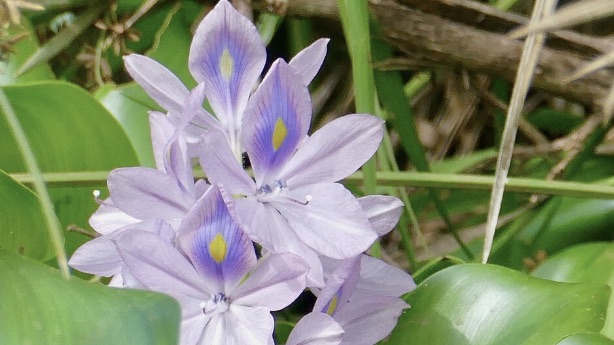
Kenya’s Lake Naivasha has a water hyacinth problem. It is an invasive species. It comes from South America. It rapidly grows in ponds, streams, and lakes. As it does, it chokes out native wildlife. It makes travel by boat nearly impossible. During a school trip in 2020, university student Joseph Nguthiru’s vessel got stuck in a massive patch of the plant’s broad leaves and spongy stalks. It took five hours to cut their boat free. That gave Nguthiru time to think.
What if all that water hyacinth could be converted to something useful?
Nguthiru studied environmental engineering. He had learned how to extract cellulose from plants. Cellulose is a fibrous, starchy compound. Nguthiru was able to convert water hyacinth cellulose into a material that copies most of the key features of single-use plastics. He created a new company. He called it HyaPak. It uses the cellulose to make disposable bags.
“Single-use plastic bags have been banned in Kenya," Nguthiru told the Obama Foundation, "and our solution brings a much-needed alternative to the country.”
HyaPak pays local fishermen to harvest the hyacinth. In doing so, he helps them recover some of the income they have lost as a result of the invasive plant’s damage to the lake's fish stock. Overall, HyaPak has created 45 green jobs. It has cleared more than 20 hectares of water hyacinth from the lake. It sells its biodegradable bags across Kenya. It has begun shipping them to Germany and the US, too.
In 2025, Nguthiru was named a United Nations Young Champion of the Earth for the way his research helps solve environmental and social issues.
Thought Question: What is something in your life or community that seems like a problem at first, but could become an opportunity to help others or create something positive?
Photo of common South American water hyacinth from Wikimedia Commons.
News brought to you by 
Read More News Stories Today!