Earth Has 8.2 Billion People? Think Higher, New Study Suggests
March 26, 2025

What’s the current population of the world? If you said “Around 8 billion,” you’re close to estimates by the United Nations (UN). It's long been viewed as the final word on the topic. But a new study suggests the UN might have been undercounting how many people share this planet for the last fifty years.
The UN puts the world’s population at about 8.2 billion. That number is expected to rise to 8.5 billion by 2030. Yet researchers at Aalto University in Finland found that the number may be higher. That’s because global census takers are likely missing people who live in rural areas.
Josias Láng-Ritter told The Independent it's hard to count people who live "in remote locations or (those) impacted by conflict." He's a co-author of the study. He noted that his team's findings are the first to show that a large portion of the rural population is missing from global data.
Láng-Ritter’s team looked at data gathered about people displaced by dam projects. International law requires that every person forced from their home by a dam project be paid. That means companies take a more detailed count of people in those regions. That includes those rural regions that are harder to count. In many cases, the research team found that those regions had been undercounted in global censuses. Sometimes the counts missed by as much as 80%.
Láng-Ritter says that getting the count correct is important. That count is used to figure out who needs resources, he says.
Reflect: Do you think it is important to have an accurate count of every person in the world? Why or why not?
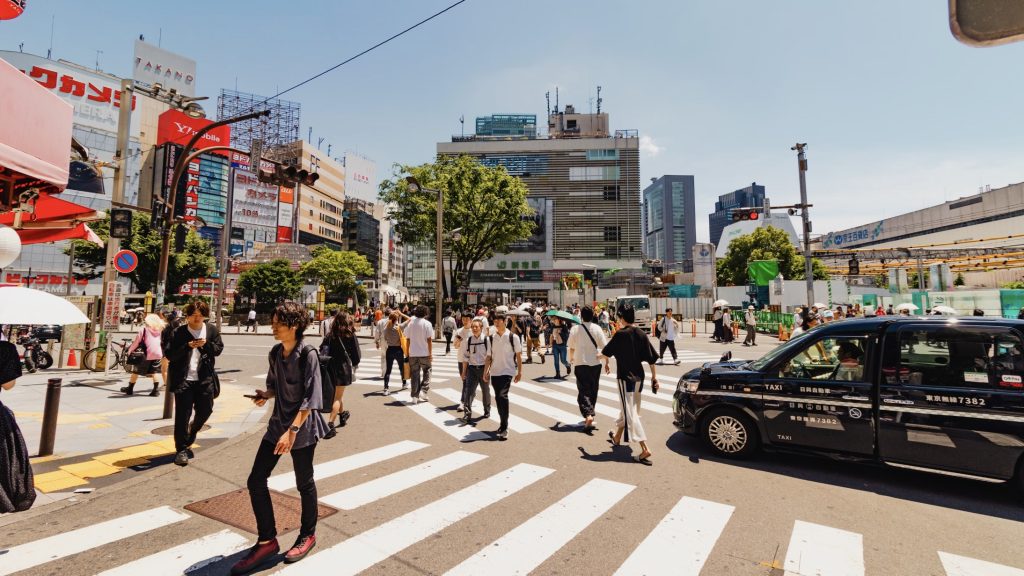
Photo of people walking in the city from Unsplash courtesy of Joshua Tsu.
News brought to you by 
Read More News Stories Today!