Death Valley, Hottest and Driest Desert in North America, Blooms
March 10, 2026

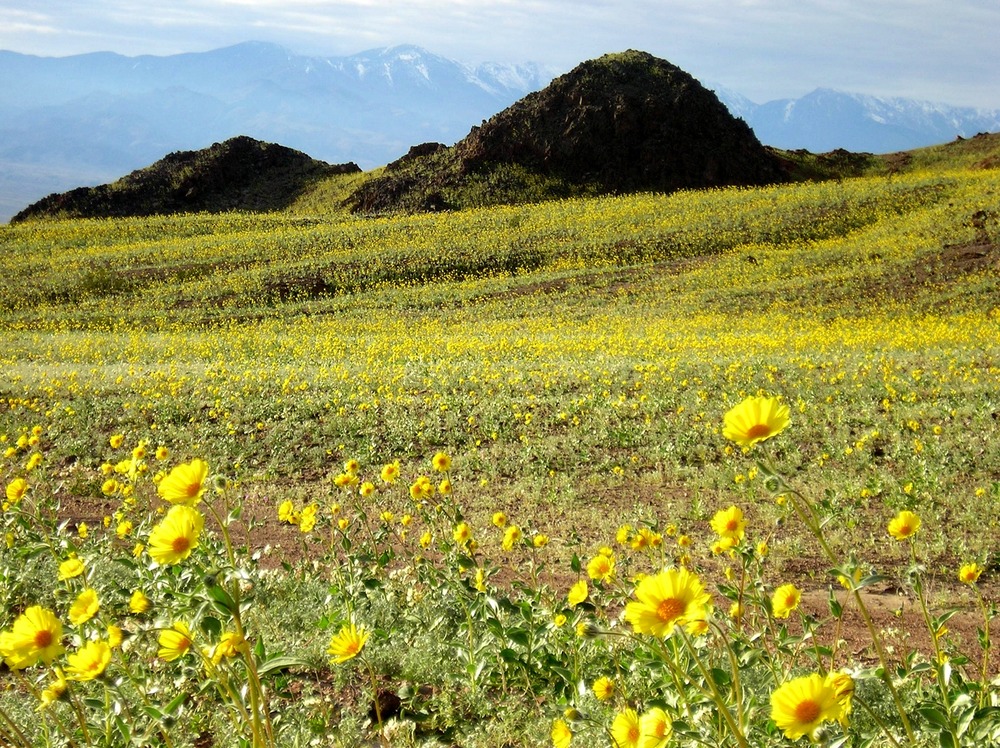
Death Valley National Park sits in the hottest, driest desert in North America. On average, it gets about 2 inches of rain per year. This year, it got that much in just a couple months. Now, Death Valley is teeming with life.
The millions of blossoms that cover the normally dry hillsides of the park, located mostly in southeastern California, are called a “superbloom.” The National Park Service said it’s the largest one the region has seen in over a decade.
“This area that’s known basically for hot weather, sand, and dirt has just become this amazing landscape of colors,” David Blacker told NBC News. “The smell is just amazing.” Blacker is executive director of the nonprofit Death Valley Natural History Association.
The flowers are a patient lot. Their seeds lie dormant. Often, the seeds don’t grow for years at a time. The flowers wait for the right conditions to bloom.
“We need multiple days of drizzly, foggy, gentle rain that soaks in, but not the heavy monsoon rains that wash out our highways and destroy our roads,” Blacker told NBC. “And then we need mild temperatures going into spring, because once the flowers come up, their big enemy is wind and heat.”
The vibrant purple and yellow blossoms have evolved to take advantage of their brief window in the sun. They’ll have until the middle of this month to attract pollinators, germinate, and disperse their seeds. After that point, they’ll wither and fade. Then, their new seeds will remain safely buried until ideal conditions allow Death Valley to bloom again.
Reflect: Describe a time in nature that you found to be surprising or beautiful.
Photo of Death Valley superbloom courtesy US National Park Service.
News brought to you by 
Read More News Stories Today!