Climate Report: Despite Cooling La Niña, Last Month Declared Warmest January Ever
February 10, 2025

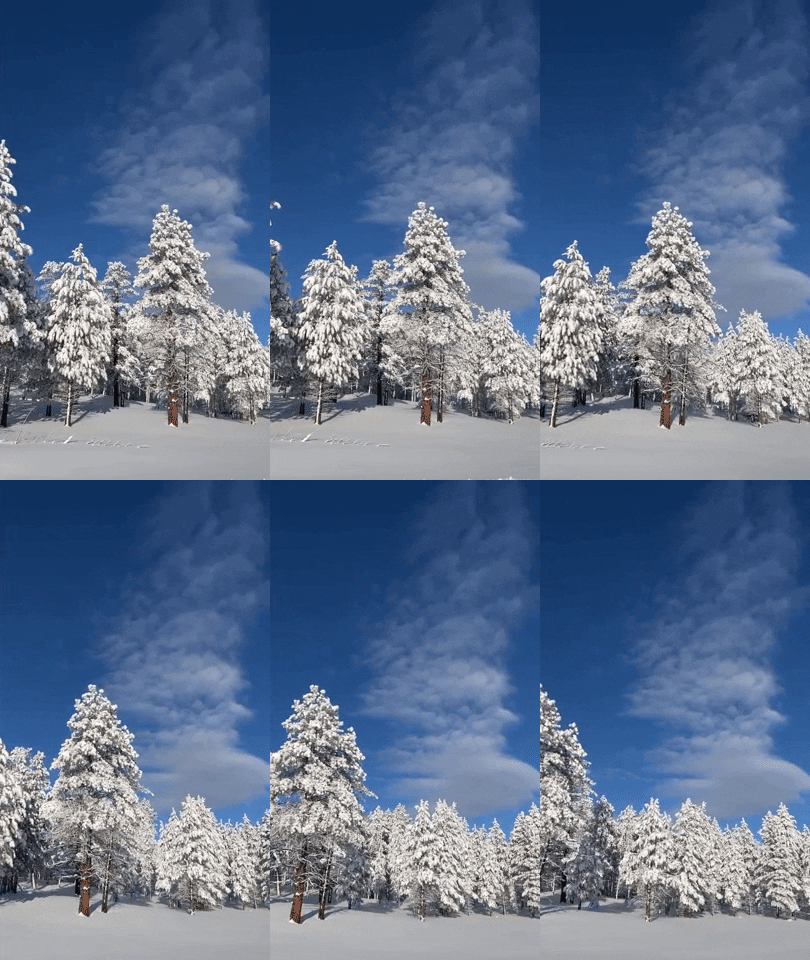
Much of the US has experienced a polar vortex that brought snowstorms and extreme cold with it this winter. But last month was also the warmest January on record. Worldwide temperatures were 1.75 degrees Celsius (°C) higher than pre-industrial times.
The finding by the Copernicus Climate Change Service was a surprise. Experts believed the La Niña weather pattern would chill a streak of record heat across the globe. La Niña spreads cooler sea-surface temps across the Pacific Ocean.
Instead, January temps shot well past the 1.5°C warming cap set by the Paris Climate Accord to avoid the worst impacts of climate change. Experts did note that the higher temps recorded last month are not permanent.
Julien Nicolas told Agence France-Presse the findings were "a bit of a surprise." He's a climate expert. “You're not seeing this cooling effect, or temporary brake at least.”
January temps ran highest above average in far northern regions. They were lower than average in the US and eastern Russia, Copernicus found.
Experts have long warned that each tick upward in warming past 1.5°C will lead to more extreme weather. That includes droughts, heat waves, and major storms. Some experts suggest that the melting of Arctic sea ice is shifting the Arctic polar vortex. It's a large patch of swirling cold air. It has pushed further southward more often. The warmer global temps also lead to more moisture in the air. That can lead to bigger snowstorms when temps drop.
Reflect: How has the weather recently affected your daily routine or plans?
Gif of winter weather from GIPHY.
News brought to you by 
Read More News Stories Today!