Climate Change Threatens Two Iconic Antarctic Species
April 22, 2026

The world’s largest penguin and the Antarctic’s smallest seal are both under threat from climate change.
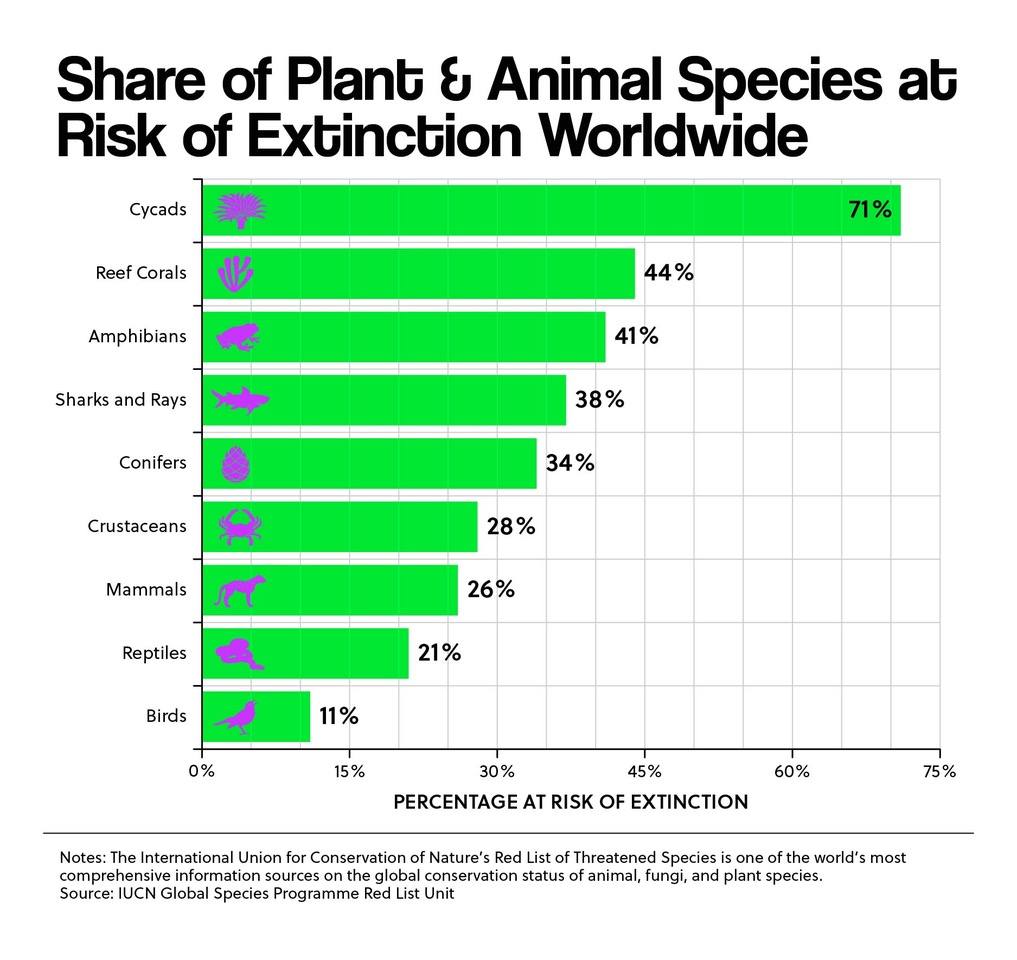
The International Union for the Conservation of Nature (IUCN) updates its “Red List” of threatened species as new population data comes in. Last week, the IUCN moved emperor penguins from “near threatened” to "endangered." It also moved Antarctic fur seals from “least concern” to “endangered.” To be considered endangered, a species must lose at least 50% of its population over three generations. And it must face at least a 20% chance of extinction in the wild over its next five generations.
In both cases, climate change is driving population decline. Emperor penguins are the largest penguin species on Earth. For them, their decline is a matter of ice melting as Earth warms.
“For emperor penguins, sea ice is their primary habitat,” the IUCN’s Phillip Trathan told CNN. “They breed on fast ice. They molt on fast ice or on ice floes. They feed within the sea ice.”
Satellite images of emperor penguin colonies show they shrank 10% between 2009 and 2018. The IUCN projects that number could rise as high as 50% by 2080.
Antarctic fur seals are the smallest of the region's pinnipeds. They have seen their population fall 50% since 1999. Warmer waters have forced the seals' food supply farther offshore. That makes it more difficult for the tiny seals to survive. The seals feed mainly on tiny invertebrates called krill.
Kathleen Flower said in a written statement that the new IUCN list reflects "what is happening to penguins and seals globally." She's the vice president of Biodiversity Science at Conservation International. Flower also noted that decline of the penguins and seals shows how quickly changes can happen.
Reflect: How would you respond if you learned that something you care about in nature was disappearing, and what actions would you want to take?
News brought to you by 
Read More News Stories Today!