Automakers Bet on Electric Car that Refuels Itself — With Gas
May 20, 2026

The drive to replace gas-powered cars with electric vehicles (EV) has slowed in much of the world. So, carmakers are turning to a new kind of vehicle that’s neither fully EV nor hybrid.
They're called “extended range electric vehicles” (EREV), which use both gas and batteries to power them. What separates them from hybrids is they don’t rely on gas to move the wheels. Instead, their smaller fuel tanks exist only to recharge the battery. It's similar to the technology used to power diesel-electric trains. So EREVs often cost less to fill up, burn less gas, and emit fewer greenhouse gases than fully gas-powered cars. Meanwhile, their batteries recharge while driving to keep them running more than twice as far as most high-range EVs.
That’s a key feature for drivers worried about where to find EV charging stations on long trips.
“It takes away the range anxiety,” Jeremy Michalek told The Atlantic. He heads Carnegie Mellon University’s Vehicle Electrification Group. “When you want to go on a long trip, you can still put liquid fuel in it and continue to drive for longer distances.”
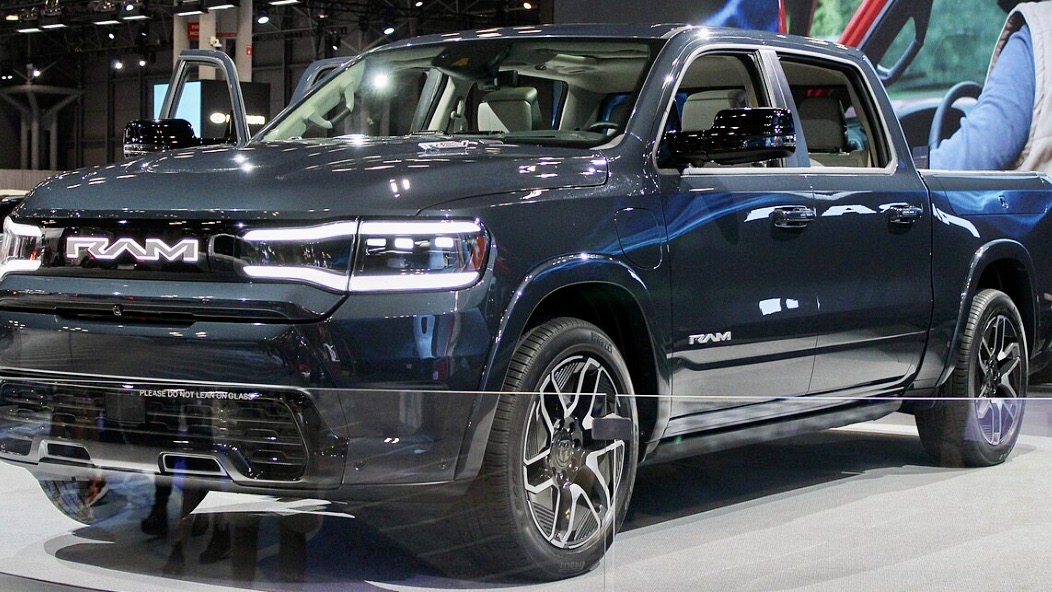
For example, the Ram 1500 REV has a range of 690 miles. That's farther than both its fully electric and standard gas-powered versions. It's scheduled to roll off lots in 2027. It will likely be the first of 16 EREVs to reach the market by 2028. All of them are trucks and SUVs.
At least a half-dozen automakers are making EREVs. They include Ford, Hyundai, Kia, Nissan, Stellantis, and Volkswagen.
The downside is the cost. The sticker price for the Ram 1500 REV is set to be nearly $60,000. That's about $15,000 more than the gas powered version. Then again, EREV owners could save money over the long run with lower fuel costs.
Reflect: What is the most important thing you would look for when choosing a car?
Photo of the Ram 1500 REV from Wikimedia Commons courtesy of Kevauto.
News brought to you by 
Read More News Stories Today!