
As Wildfires Rage, Doctors Warn About Insidious Effects of "Fire Brain"
July 21, 2026

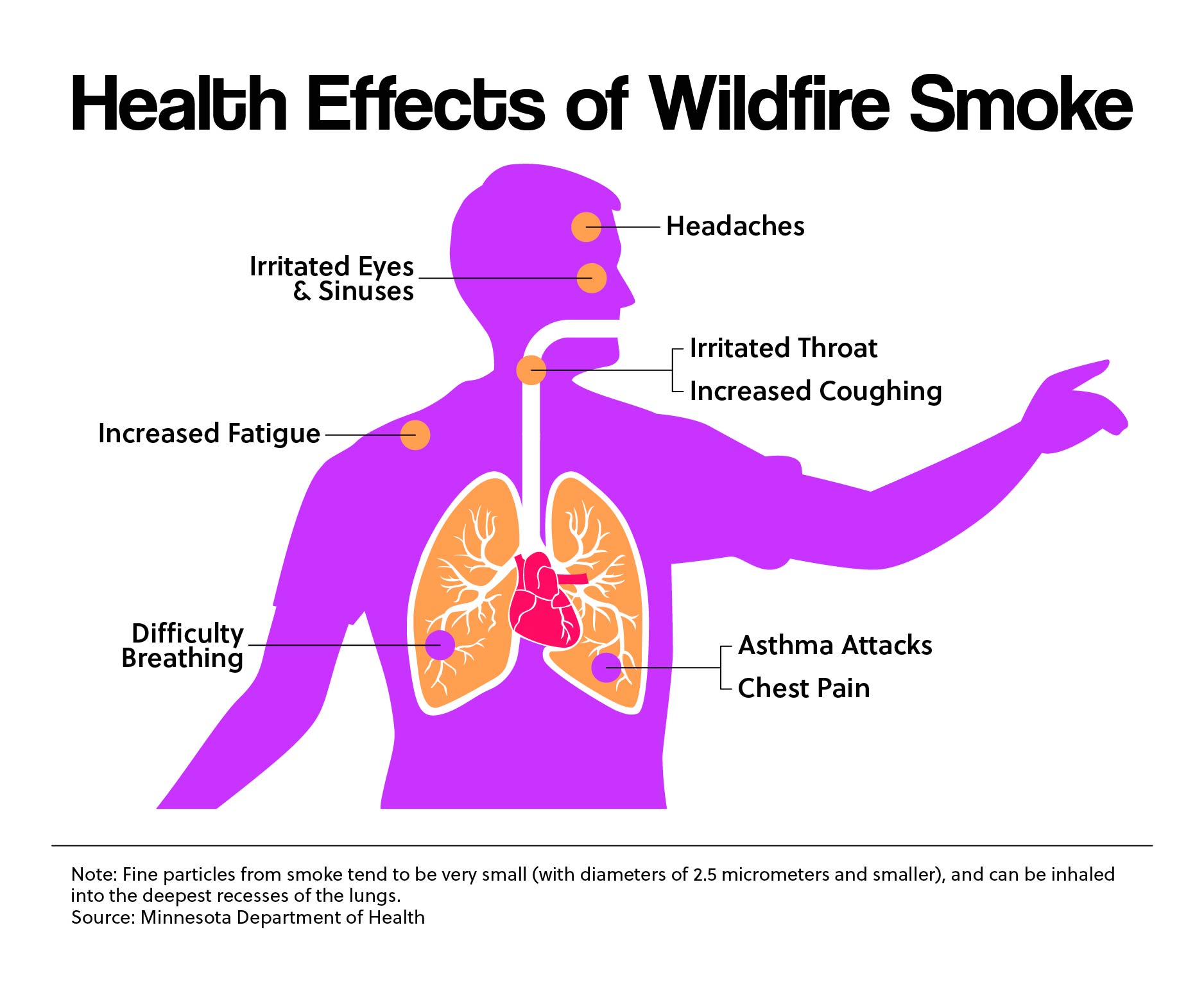
As the planet gets hotter, wildfires become more likely. They burn large areas of land. They also create huge clouds of smoke. That smoke is made of tiny, toxic particles. They are harmful to human lungs. Now, doctors warn of another threat. Inhaling wildfire fumes can affect the brain, too.
The condition is called “Fire brain.” It can cause many symptoms. They include depression and memory loss. It can also lead to difficulty focusing. Wildfire smoke particles make their way to the brain after being absorbed through the olfactory nerve. Experts pin the problems on the brain’s natural defenses.
“Wildfire exposure is so intense that it causes (swelling) on a rapidly occurring scale,” Marc Weisskopf told The Washington Post. He is a professor at Harvard. “The initial inflammation is actually a protective response — like when you have a fever or injury — but in some people, it can become chronic. The longer it lasts, the more likely you are to have more long-lasting effects.”
A study was conducted on exam scores in China in 2020. It found that students exposed to wildfire smoke scored more poorly on tests than their peers. If an exam was taken at a site downwind of wildfires, students’ scores dropped by an average of .6 points. Students taking the same test upwind were unaffected.
The key to preventing fire brain? Stopping wildfires by curbing climate change, experts say. They also suggest taking better care of grasslands and forests. “We rarely talk about the value of having healthy forests,” Graff Zivin, a researcher at UC San Diego, told The Guardian.
Reflect: What steps would you take to protect yourself from smoke during a wildfire?
News brought to you by 
Read More News Stories Today!