After an Unexpected 286 Days in Space, Astronauts Have New Mission: Reacclimate to Earth
March 20, 2025

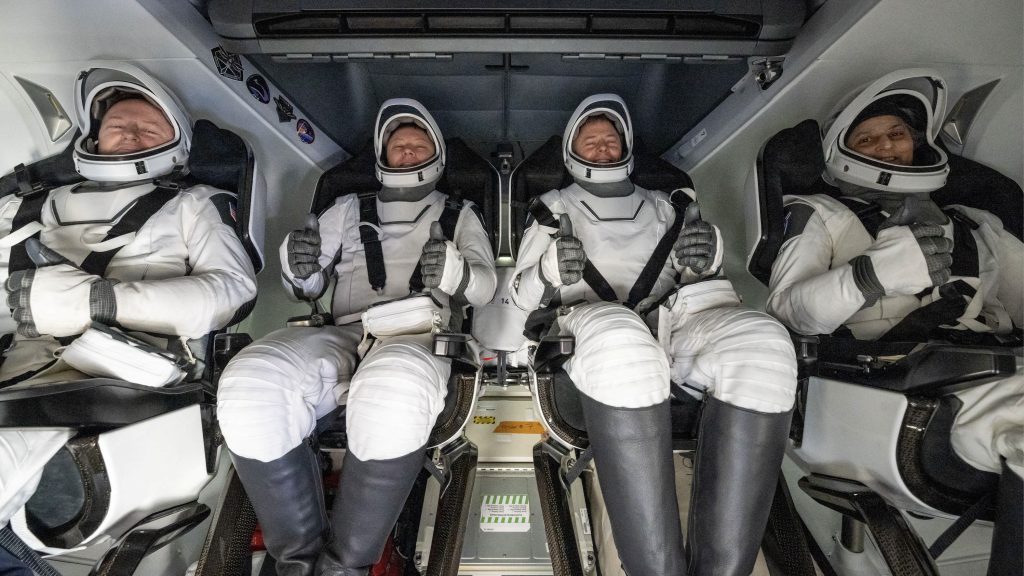
US astronauts Barry Whitmore and Suni Williams are finally home after nine long months in space. The astronauts were all smiles when they arrived. But it will take their bodies a bit longer to truly feel like they’re home.
Whitmore and Williams first flew to the International Space Station (ISS) last June on a Boeing Starliner craft. Their mission was to last eight days. But malfunctions in the Starliner and technical issues with later missions extended their stay in space to 286 days.
Even a short trip out of Earth’s atmosphere can cause subtle changes in the human body. And nine months of living with zero gravity? That takes a toll. NASA doctors will watch Whitmore and Williams for the next few months. The doctors will be looking to make sure they recover from the health effects of space travel. In space, astronauts have been known to lose muscle and bone strength. They are also exposed to radiation. Some struggle to find their balance after so much time floating in microgravity.
"You're walking in a straight line and then you start doing a curve. You start turning and your vestibular system is all whacked out," astronaut Leland Melvin told NPR of the balance issues. "You can just fall over." That’s why, Melvin explained, all NASA astronauts follow an exercise program before, during, and after a mission. It helps their bodies recover. Melvin has served on two ISS missions.
And how did Whitmore and Williams look when they landed? They were both well enough to give a double thumbs-up in their first moments back on Earth.
Reflect: If you could experience zero gravity for a day, what do you think would be the most fun and the most challenging part?
Photo of NASA astronaut Butch Wilmore, Nick Hague, and Suni Williams and Roscosmos cosmonaut Aleksandr Gorbunov are seen inside a SpaceX Dragon spacecraft onboard the SpaceX recovery ship from Reuters.
News brought to you by 
Read More News Stories Today!