A Wave of Good News For Coral Reefs
July 2, 2026

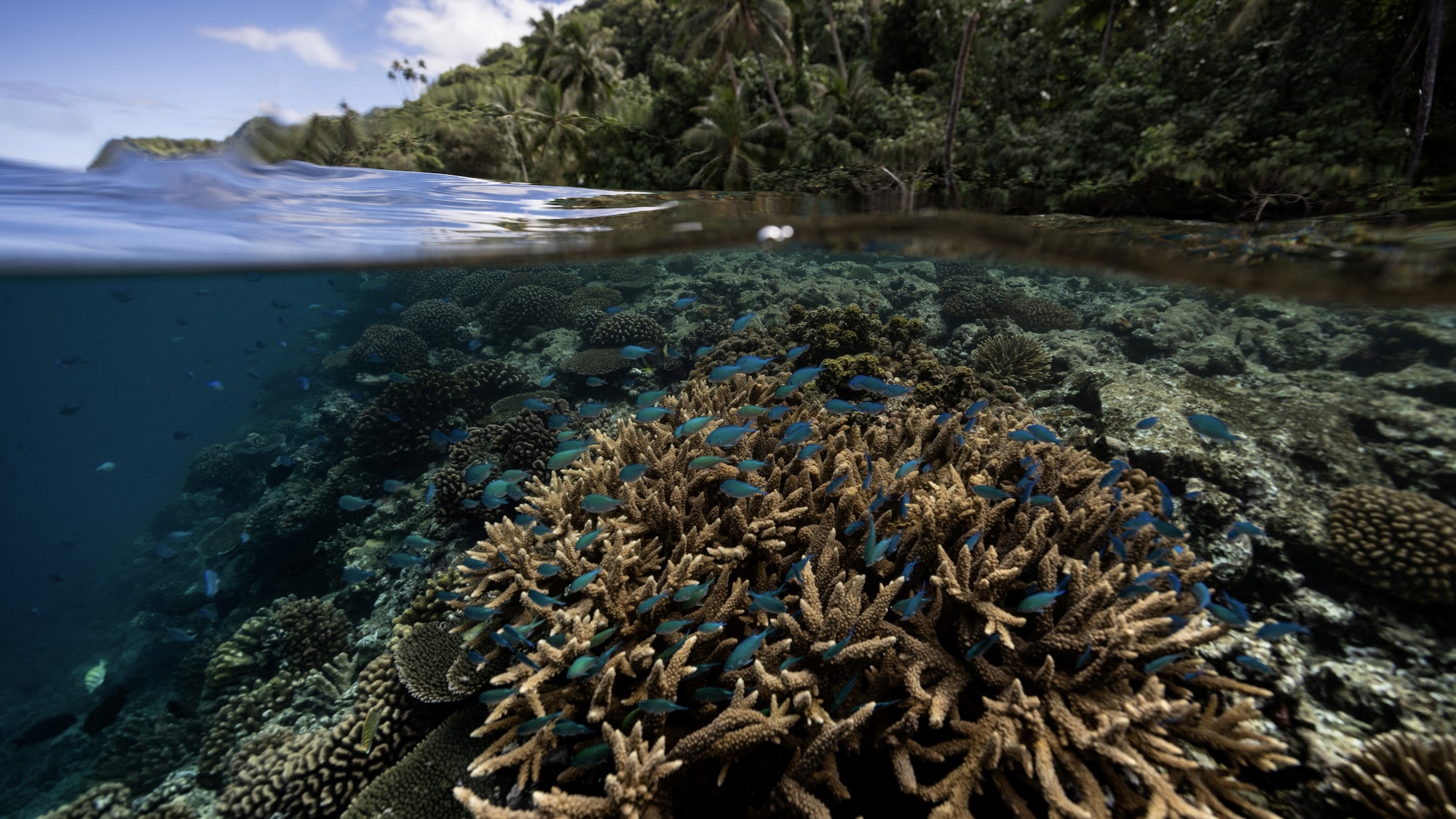
Coral reefs are among the world’s most vital ecosystems. But they are also some of the most at risk habitats in the world. For decades, experts have sounded alarms about how climate change is causing corals to die. Recently, though, a team of marine biologists shared some good news.
Researchers with the Wildlife Conservation Society (WCS) used AI to study 65 years of data from across the world’s oceans. They found that most coral reefs remain vulnerable to climate change. But they also found at least 64,000 square miles of reef habitats that are “climate resilient.” That means they are made up of corals that can better withstand changes in water temp. They may also be in undersea regions that are less prone to warming. The new figure is three times larger than previously thought.
"Coral reefs are often framed as ecosystems beyond saving," Emily Darling told Reuters. She is the head of coral conservation at WCS. "This research shows otherwise."
Corals are tiny marine invertebrates. They live in structures formed from calcium carbonate. Over time, they can build so many of these “skeletons” that it forms an entire underwater habitat — a “reef”. Coral reefs provide shelter to thousands of other species. They also work as a buffer against ocean currents and storm surges that would batter coastlines.
Corals live symbiotically with algae. The underwater plant lives within the coral structures. The algae lend the corals their bright colors. They also provide a source of food. When water temperatures rise, though, the algae are expelled. Corals turn white as a result. The process is known as bleaching. Without the algae as a source of food, many corals don’t survive the bleaching event.
The WCS hopes that the good news about reefs may convince world leaders to devote resources toward helping them withstand climate change in the future.
Reflect: When has learning something new or surprising made you more curious about a topic you didn't think much about before?
Photo of a coral reef in Teahupo'o, Tahiti, French Polynesia from Reuters.
News brought to you by 
Read More News Stories Today!