Yukon Kings
Provided by: Global Oneness Project|Published on: November 24, 2021|Last updated: July 16, 2026
Grades: 8, 9, 10, 11, 12
Type: Lesson Plans
Subjects: Biology
Authors: Emmanuel Vaughan-Lee
Location: North America, North America > United States

This resource has been reviewed by SubjectToClimate's climate scientists and verified for scientific accuracy and up-to-date information. Learn about our review process →
This resource has been reviewed by SubjectToClimate's climate scientists and verified for scientific accuracy and up-to-date information. Learn about our review process →
Synopsis
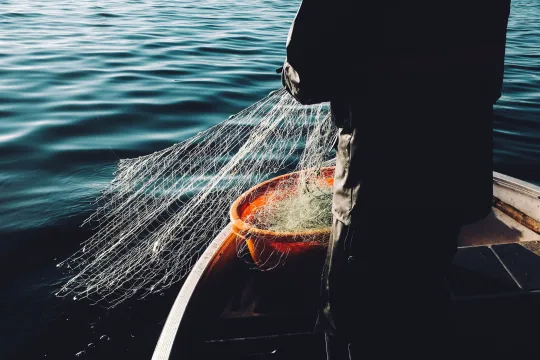
- In this short film, Yup'ik fisherman Ray Waska explains how life has changed for his family as he teaches his grandchildren how to fish for salmon in the Alaskan Yukon Delta.
- An accompanying lesson plan provides background information, instructions for a classroom debate activity, and a number of writing prompts related to the film.
Teaching Materials
Positives
- Students will learn how the Yup'ik way of life persists even though the people have had to make adjustments in recent decades.
- Beautiful cinematography will draw students in.
Additional Prerequisites
- The lesson plan contains valuable background information that the teacher should share with the students prior to viewing the film.
- The film was produced in 2013, so some of the information may not be up to date.
Differentiation
- Social studies, geography and history classes could research the history of the Yup'ik people and learn how European colonialism and the United States' purchase of Alaska have impacted their traditional ways of life.
- Social studies and economics classes could discuss how the dependence on fossil fuels for transportation has had a negative impact on the Yup'ik people's traditional subsistence economy.
- English or art classes could study this watercolor painting by artist Jill Pelto that depicts the decline of the salmon population in the Pacific Northwest and compare the artist's statement to Ray Waska's assessment of the changes in the salmon population.
- Other resources on this topic include this video and activity about how the Athabaskan people of Alaska are impacted by climate change, this video on climate change in Barrow, Alaska, and this podcast about the negative effects of the industrial fishing industry on ecosystems.
While there is no science in this resource to verify, it contains an important message about the cost of climate change. This short film looks at what the dwindling Alaskan King Salmon population means to a local family. This resource is recommended for teaching.
Teaching Tips
Standards
Resource Type and Format
Scientist Reviewed
This resource has been reviewed by SubjectToClimate's climate scientists and verified for scientific accuracy and up-to-date information. Our review process ensures that every resource in our library reflects the current state of climate science.
Learn about our review process →