Weather Instruments
Provided by: Paleontological Research Institution|Published on: August 15, 2024|Last updated: July 16, 2026
Grades: K, 1, 2, 3, 4, 5
Type: Activity - Classroom
Subjects: Science
Authors: Paleontological Research Institution
Location: Earth
This resource has been reviewed by SubjectToClimate's climate scientists and verified for scientific accuracy and up-to-date information. Learn about our review process →
This resource has been reviewed by SubjectToClimate's climate scientists and verified for scientific accuracy and up-to-date information. Learn about our review process →
Synopsis
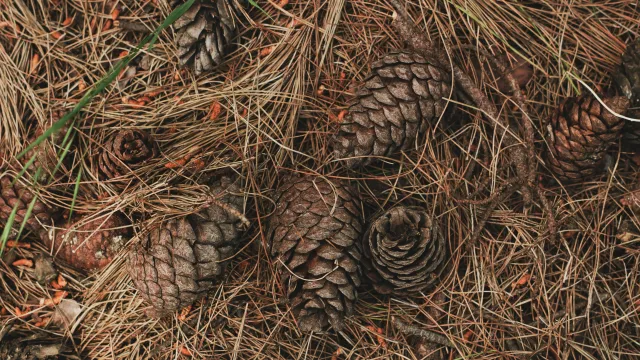
- This resource includes two activities where students create a pine cone humidity detector and a wind dial (anemometer).
- Students will learn how pine cones react to moisture and how to calculate wind speed.
Teaching Materials
Positives
- The Background and Extensions section includes engaging activities for older students.
- Students will love creating a tool to use outside.
Prerequisites
- For younger students, teachers may want to cut the strips of paper for the wind dial ahead of time.
- Teachers will need to gather materials before doing the activity.
Differentiation & Implementation
- Before creating the pine cone humidity detector, students can go on a nature walk to collect dry pine cones.
- To make math connections, older students can take their wind dial out every day throughout the week or at different times throughout the day, and graph how many times per minute their wind dial spins.
- Teachers can discuss how a wind dial that measures wind speed may be useful in the field of renewable energy.
- Older students can discuss the relationship between humidity and wet bulb temperature, as well as how climate change impacts these things.
This weather instrument activity tasks students with building a simple anemometer to gauge wind speed and using pine cones to understand humidity. Instructions are clear, and the activities are engaging and educational. While this resource does not directly address climate change, it does rightly note that understanding weather is a precursor to understanding climate. This resource is recommended for teaching.
Teaching Tips
Standards
Resource Type and Format
Scientist Reviewed
This resource has been reviewed by SubjectToClimate's climate scientists and verified for scientific accuracy and up-to-date information. Our review process ensures that every resource in our library reflects the current state of climate science.
Learn about our review process →