Track Patterns
Grades: K, 1, 2, 3, 4, 5
Type: Worksheets
Subjects: Science
Authors: Shelburne Farms
Location: Earth

This resource has been reviewed by SubjectToClimate's climate scientists and verified for scientific accuracy and up-to-date information. Learn about our review process →
This resource has been reviewed by SubjectToClimate's climate scientists and verified for scientific accuracy and up-to-date information. Learn about our review process →
Synopsis
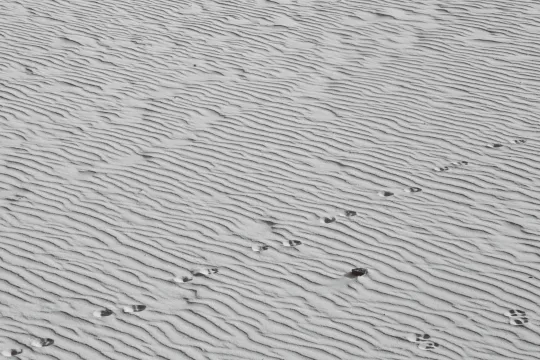
- This worksheet details the types of tracks that can be left by animals and helps students identify the animal that made the tracks based on the pattern, shape, location, and size of their prints.
Teaching Materials
Positives
- The graphics included in this worksheet are clear and useful for identifying animal tracks.
- This worksheet can be utilized for an array of indoor or outdoor activities.
Additional Prerequisites
- Students should be familiar with animal tracks and what they are used for.
Differentiation
- A cross-curricular connection can be made in art classes that are using nature as inspiration for their work.
- Send out track detectives for a scavenger hunt (around the classroom, playground, or another area) where they identify tracks left on paper or the floor. Have students record their thinking as to which animal left each track.
This is a simple guide for students to detect animals tracks based on their footprints. This resource is recommended for teaching.
Teaching Tips
Standards
Resource Type and Format
Scientist Reviewed
This resource has been reviewed by SubjectToClimate's climate scientists and verified for scientific accuracy and up-to-date information. Our review process ensures that every resource in our library reflects the current state of climate science.
Learn about our review process →