The Resilient Thread: Arapaho Beading
Provided by: Trust for Public Land|Published on: September 13, 2026|Last updated: September 17, 2026
Grades: 6, 7, 8, 9, 10, 11, 12
Type: Lesson Plans
Subjects: Visual and Performing Arts
Authors: Ace Samuels
Location: North America > United States, North America > United States > Oklahoma

This resource has been reviewed by SubjectToClimate's climate scientists and verified for scientific accuracy and up-to-date information. Learn about our review process →
This resource has been reviewed by SubjectToClimate's climate scientists and verified for scientific accuracy and up-to-date information. Learn about our review process →
Synopsis
- This lesson teaches the history, technique, and spiritual significance of Arapaho beadwork as a living expression of Tribal identity, sovereignty, and resilience.
- Students learn to make a beaded rosette, choosing colors and designs with intentionality and reflecting on how beadwork connects to family, nation, and the natural world.
- This lesson and the rest of the curriculum are created for Indigenous educators, which is reflected in many components of the lesson, including a spiritual component.
Teaching Materials
Preparation:
- Use the story map to learn about the full curriculum and build necessary background knowledge for implementing this lesson.
Prerequisites:
- Consider showing students examples of Arapaho beadwork as you discuss the cultural significance.
Materials:
- Size 11 and 12 needles
- Size A Nymo thread – Black and white
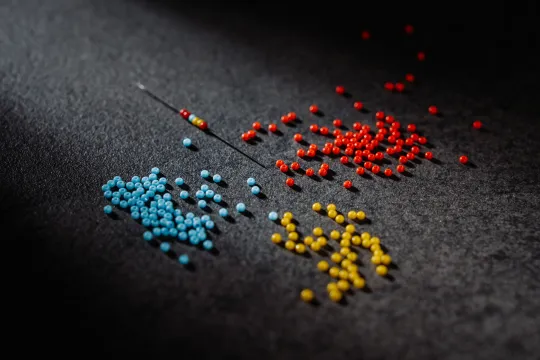
- Size 11 Czech seed beads
- White and black hard Pellon material
- Buckskin
- Elmers Glue
- Lighter (with supervision)
- Beaders beeswax
- Sewing scissors
- Craft scissors
- Thin cardboard – cereal box
Extensions:
- Build in outdoor reflection time as the lesson suggests, allowing students to step outside and observe nature when the patient, repetitive work feels frustrating.
The storymap adds important background to the lesson.
Teaching Tips
Standards
Resource Type and Format
Scientist Reviewed
This resource has been reviewed by SubjectToClimate's climate scientists and verified for scientific accuracy and up-to-date information. Our review process ensures that every resource in our library reflects the current state of climate science.
Learn about our review process →