
Species Extinction
Provided by: The Climate Initiative|Published on: August 10, 2023|Last updated: July 16, 2026
Grades: 6, 7, 8, 9, 10, 11, 12
Type: Articles/Websites
Subjects: Biology, Earth and Space Sciences
Authors: The Climate Initiative
Location: Earth, North America, North America > United States, North America > United States > Maine

This resource has been reviewed by SubjectToClimate's climate scientists and verified for scientific accuracy and up-to-date information. Learn about our review process →
This resource has been reviewed by SubjectToClimate's climate scientists and verified for scientific accuracy and up-to-date information. Learn about our review process →
Synopsis
- This article examines important statistics regarding the current mass extinction event, the role humans play in this mass extinction, and what the consequences will be if the mass extinction isn't stopped.
- Students will learn that the current rate of species extinctions is many times higher than the normal rate, with habitat loss, climate change, pollution, and overharvesting causing a global decline in biodiversity.
Teaching Materials
Positives
- This article provides some quick facts at the top for reference and perspective.
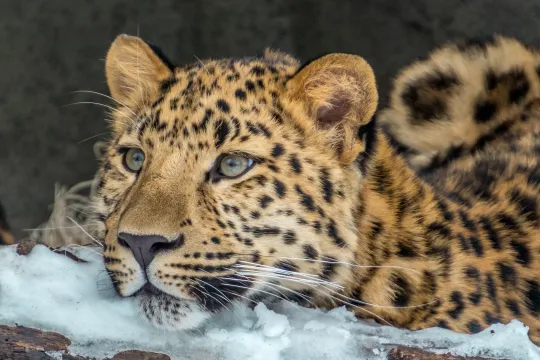
- This article has excellent photos of animals.
Additional Prerequisites
- If you scroll down to the section titled "Act Now to #slowtherise" you'll find resources on how to fight against the Holocene extinction.
- If you click the bracketed numbers within the article you'll be taken to the credible sources of this article's information.
Differentiation
- This article could support a lesson on how the destruction of ecosystems negatively affects human populations.
- This article could augment a lesson on previous mass extinctions that have occurred in Earth's history and how this event is different.
- This article could enhance a classroom discussion on the political and economic systems that contribute to environmental degradation.
- With middle school students, it may be useful to define some words before they dive into the reading.
- The article makes a reference to biodiversity being like a game of Jenga, with each species in an ecosystem being a block. Have students get in groups to play a game of Jenga and see how many blocks they can pull out before it comes crashing down, asking students to hypothesize why some "ecosystems" may crumble far sooner than others.
This resource from The Climate Initiative discusses the causes of the 6th Extinction that is leading to a significant loss of species on Earth. A discussion about how the extinction rate is accelerating due to climate change, overhunting, pollution, and habitat destruction is provided, along with how the rate of extinction is now compared to previous catastrophic events that wiped out large percentages of species. The article covers climate change and human activities, such as resource consumption and habitat destruction, that are major threats to Earth's biodiversity. This resource would be a great addition to a classroom discussion on species extinction due to climate change.
Teaching Tips
Standards
Resource Type and Format
Scientist Reviewed
This resource has been reviewed by SubjectToClimate's climate scientists and verified for scientific accuracy and up-to-date information. Our review process ensures that every resource in our library reflects the current state of climate science.
Learn about our review process →