Snags are Super
Provided by: Connecticut Department of Energy and Environmental Protection|Published on: May 24, 2024|Last updated: July 16, 2026
Grades: 3, 4, 5, 6, 7, 8
Type: Articles/Websites
Subjects: Biology
Authors: Connecticut Department of Energy and Environmental Protection
Location: North America, North America > United States, North America > United States > Connecticut
This resource has been reviewed by SubjectToClimate's climate scientists and verified for scientific accuracy and up-to-date information. Learn about our review process →
This resource has been reviewed by SubjectToClimate's climate scientists and verified for scientific accuracy and up-to-date information. Learn about our review process →
Synopsis
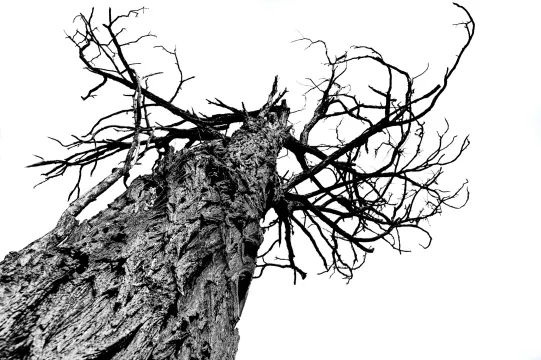
- In this resource, students will learn about snags or dead trees still standing and the ecosystem services they provide.
- Students will learn about the birds, mammals, and insects that use snags for food, shelter, and protection.
Teaching Materials
Positives
- Students will enjoy the drawings of birds and animals that accompany the text.
- The text provides a simple and brief definition of snag.
Additional Prerequisites
- Students may benefit from seeing photos of the species the page mentions.
- Some students, especially English Language Learners, may need the terms foraging, cavities, and hollow defined before they read the infographic.
Differentiation
- Students can take a nature walk to look for snags and look for animals using them.
- Teachers can introduce students to a digital design space such as Canva to create informative posters.
- Each student can choose a species that benefits from snags to research and produce an informative writing piece to demonstrate their learning.
This resource introduces students to snags, standing dead trees. The sheet thoroughly describes how different species use snags for cover, dens, perches, or foraging. This resource is founded on sound science and encourages students to design a poster to inform others. This resource is recommended for teaching.
Teaching Tips
Standards
Resource Type and Format
Scientist Reviewed
This resource has been reviewed by SubjectToClimate's climate scientists and verified for scientific accuracy and up-to-date information. Our review process ensures that every resource in our library reflects the current state of climate science.
Learn about our review process →