ParkScore® Index
Provided by: Trust for Public Land|Published on: May 18, 2022|Last updated: July 16, 2026
Grades: 6, 7, 8, 9, 10, 11, 12
Type: Articles/Websites
Subjects: Science, Civics, Geography, Health
Authors: Trust for Public Land
Location: North America, North America > United States, North America > United States > New Jersey
This resource has been reviewed by SubjectToClimate's climate scientists and verified for scientific accuracy and up-to-date information. Learn about our review process →
This resource has been reviewed by SubjectToClimate's climate scientists and verified for scientific accuracy and up-to-date information. Learn about our review process →
Synopsis
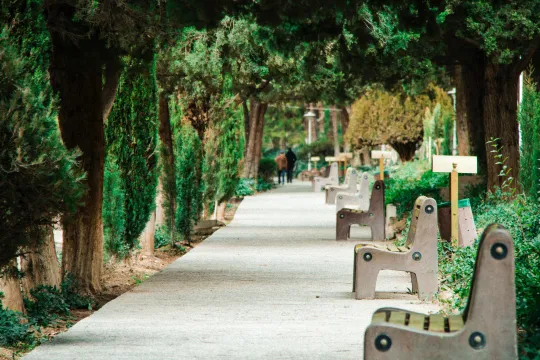
- This interactive resource, provided by Trust for Public Land, allows students to explore the ranking and details of parks in the 100 most populous United States cities.
- The rankings are calculated based on park acreage, amenities, investments, access, and equity.
- Students can see the rankings of all 100 cities, investigate the report on each city, view animated graphs, read the summary report, and use interactive maps to research the locations of parks and view other information for each city.
Teaching Materials
Positives
- This interactive resource is ideal for students in a wide range of grade levels, subjects, and skill sets.
- The graphics and data included are easy to understand and read.
Additional Prerequisites
- Students should be able to read graphs, understand percentages, and read maps.
- You can request the full report from the organization, but the summary report is linked in the resource.
Differentiation
- Students in lower grades could view the ranking information in this resource, but they may need help with interpreting the detailed data provided.
- This resource could be used in math classes to incorporate real-world data into lessons about graphs and percentages, in civics classes to discuss equity in city planning, and in science classes to discuss the importance of green spaces in cities (in the context of climate change and human health).
- This resource lends itself well to a jigsaw activity, where students each choose a city to research and then compare and contrast the differences and similarities they notice.
- As an extension activity, students could use this information to write a letter to a leader from their city or state to reinforce the importance of green spaces and advocate for more trees and park space in their area.
- Other related resources include this lesson about green spaces, this video about city design, this interactive map about tree equity scores, and this video about the importance of urban trees.
This resource presents (in detail) index scores on selected U.S. parks. In terms of the methodology, the indicators align with universal standards for measuring public park spaces to determine the state of the facility and assess areas for improvements. This is recommended for teaching.
Teaching Tips
Standards
Resource Type and Format
Scientist Reviewed
This resource has been reviewed by SubjectToClimate's climate scientists and verified for scientific accuracy and up-to-date information. Our review process ensures that every resource in our library reflects the current state of climate science.
Learn about our review process →