Parking Mandates Map
Provided by: Parking Reform Network|Published on: April 27, 2021|Last updated: July 16, 2026
Grades: 6, 7, 8, 9, 10, 11, 12
Type: Data, Graphs, and Maps
Subjects: Geography
Authors: Parking Reform Network
Location: North America, North America > United States, North America > United States > New Jersey

This resource has been reviewed by SubjectToClimate's climate scientists and verified for scientific accuracy and up-to-date information. Learn about our review process →
This resource has been reviewed by SubjectToClimate's climate scientists and verified for scientific accuracy and up-to-date information. Learn about our review process →
Synopsis
- This map features cities in the United States that have have eliminated or partially eliminated parking mandates.
- Parking mandates are laws that require a minimum amount of parking spots for residential and commercial buildings.
Teaching Materials
Positives
- You can read more about parking reform on their website under "About" > "What Is Parking Reform?" to learn more about the negative effects of parking mandates.
- The data is downloadable in a CSV format and there is additional information linked below the map.
Additional Prerequisites
- The mission of the Parking Reform Network is "to educate the public about the impact of parking policy on climate change, equity, housing, and traffic."
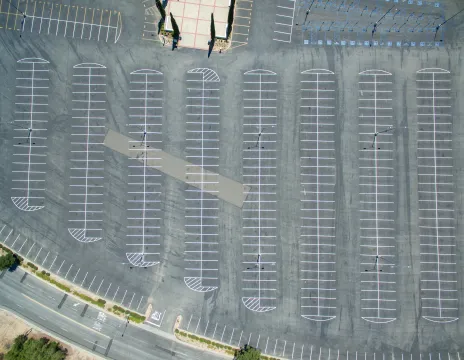
- An abundance of hardscape in cities, including parking lots, creates the urban heat island effect and can alter runoff and groundwater recharge. You can learn more about urban heat islands here.
Differentiation
- Students can research local laws in cities near them to see if their city has parking mandates or other similar laws.
- Social studies or civics students can contact their local mayors or city councils to advocate for the elimination of costly parking mandates.
- You can encourage your students to get to school in more sustainable ways, including walking, biking, school buses, public transit, or carpooling.
Parking reform is suitable for a sustainable, smart city. The resource explores cities with parking mandate exemptions and the ratio of land acquired for parking facilities and designs. With increasing urbanization, population density, and traffic volume, this resource is suitable for urban planning and as a guide for environmental sustainability. This is recommended for teaching.
Teaching Tips
Standards
Resource Type and Format
Scientist Reviewed
This resource has been reviewed by SubjectToClimate's climate scientists and verified for scientific accuracy and up-to-date information. Our review process ensures that every resource in our library reflects the current state of climate science.
Learn about our review process →