Operation TRAP
Provided by: Operation T.R.A.P.|Published on: July 31, 2026|Last updated: August 1, 2026
Grades: 6, 7, 8, 9, 10, 11, 12
Type: Articles/Websites
Subjects: Biology, Earth and Space Sciences, Geography
Authors: Operation T.R.A.P.
Location: North America > United States > Florida
This resource has been reviewed by SubjectToClimate's climate scientists and verified for scientific accuracy and up-to-date information. Learn about our review process →
This resource has been reviewed by SubjectToClimate's climate scientists and verified for scientific accuracy and up-to-date information. Learn about our review process →
Synopsis
- This webpage and accompanying video explain Operation TRAP (Trash Reduction for Aquatic Preserves), a project that installs interception technologies to capture litter before it enters aquatic preserves in Florida.
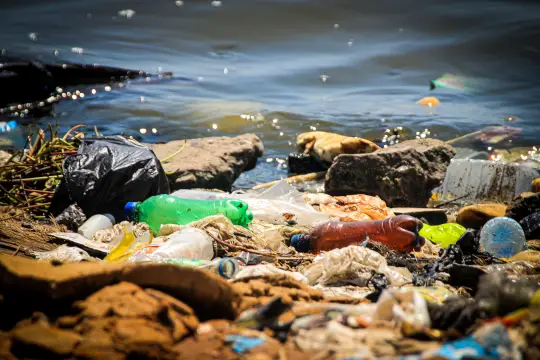
- The resource describes why marine debris is harmful, how single-use plastic reaches waterways, and how local governments, aquatic preserve programs, and individuals can work together to intercept it at the source.
Teaching Materials
Classroom Implementation:
- Use the embedded video and the site's goals list as an anchor for discussing how community-scale environmental solutions are designed, adapted, monitored, improved, and shared.
- Engage in a discussion about why Operation Trap stands out as a model of collaborative problem-solving and what attributes and partnerships are needed to make these collaborations successful.
- Go outside to find and evaluate storm drains and other infrastructure that carries debris towards the water.
Extensions:
- Visit the Data and Technology pages to further explore how debris interception devices work and how collected data can drive education and outreach.
- Have students engage in the engineering design process to build a device or prototype that reduces littering at school or in the local community.
- Alternatively, have students role play different stakeholders (environmental activists, government agencies, private companies, etc.) to develop a list of constraints and requirements for an environmental intervention device.
Sustainable Development Goals Connections:
- This resource can be used to make connections to Sustainable Development Goals 6, Clean Water and Sanitation; 11, Sustainable Cities and Communities; and 14, Life Below Water.
This webpage and associated video explain what Operation TRAP (Trash Reduction for Aquatic Preserves) is and how it helps reduce trash in aquatic preserves. The resource also explains why trash is harmful to our waterways, what types of trash end up in the water, and how municipalities and individuals can help. Operation TRAP is a great example of how people can work together to solve environmental problems and care for the environment. The information presented is accurate, and this resource is recommended for teaching.
Teaching Tips
Standards
Resource Type and Format
Scientist Reviewed
This resource has been reviewed by SubjectToClimate's climate scientists and verified for scientific accuracy and up-to-date information. Our review process ensures that every resource in our library reflects the current state of climate science.
Learn about our review process →