NASA's Earth Minute: Blowin' in the Wind
Provided by: NASA|Published on: April 27, 2021|Last updated: July 16, 2026
Grades: 6, 7, 8, 9, 10, 11, 12
Type: Videos
Subjects: Physics, Earth and Space Sciences
Authors: NASA
Location: Earth
This resource has been reviewed by SubjectToClimate's climate scientists and verified for scientific accuracy and up-to-date information. Learn about our review process →
This resource has been reviewed by SubjectToClimate's climate scientists and verified for scientific accuracy and up-to-date information. Learn about our review process →
Synopsis
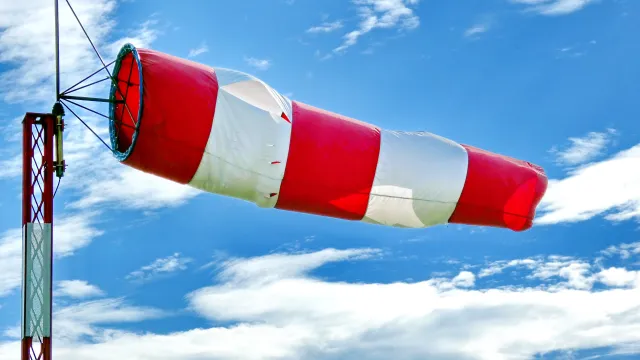
- In this video, NASA explains the importance of wind and how it impacts things like the weather, seafood, cargo ships, and offshore oil rigs.
- NASA explains how they measure wind from space using radio signals and how they use that information to help predict hurricanes and tropical storms. The data they collect is also used to develop weather and climate models.
Teaching Materials
Positives
- This video is short and well-explained. The animations used in the video add to overall comprehension.
- In this video, NASA does a good job of explaining how wind impacts many aspects of life on Earth and why it's so important to study.
Prerequisites
- There may be an ad before the video.
- Students should be familiar with radio waves.
- Students should know the definitions of the words phenomena, El Niño, and headwinds.
Differentiation & Implementation
- This is a great video to show in a physics or science class when learning about wavelengths and their uses.
- A science class can use this video when learning about weather phenomena like El Niño.
- Some related resources are Earth NullSchool, Effect of Atmospheric Circulation on Climate, and Where Does Wind Come From?
This resource explains how and why scientists study the wind; it can help improve weather forecasts, develop better climate models, and track hurricanes. This resource is recommended for teaching.
Teaching Tips
Standards
Resource Type and Format
Scientist Reviewed
This resource has been reviewed by SubjectToClimate's climate scientists and verified for scientific accuracy and up-to-date information. Our review process ensures that every resource in our library reflects the current state of climate science.
Learn about our review process →