Modeling the Local Food System
Provided by: Center for Ecoliteracy|Published on: December 9, 2022|Last updated: July 16, 2026
Grades: 3, 4, 5
Type: Lesson Plans
Subjects: Science, Social Studies
Authors: Center for Ecoliteracy
Location: North America, North America > United States, North America > United States > California
This resource has been reviewed by SubjectToClimate's climate scientists and verified for scientific accuracy and up-to-date information. Learn about our review process →
This resource has been reviewed by SubjectToClimate's climate scientists and verified for scientific accuracy and up-to-date information. Learn about our review process →
Synopsis
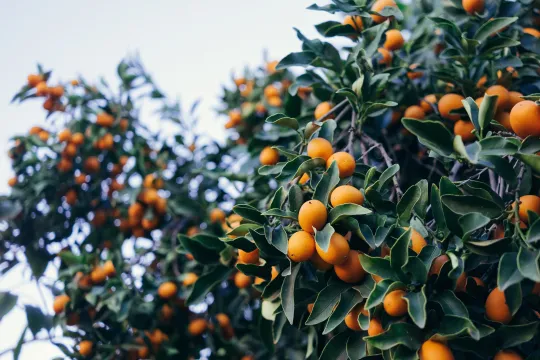
- This lesson plan and activity provides an engaging way for students to learn about the components of food systems and then create a food system model for oranges grown in California.
- Students will create posters using the cut-outs included in the downloadable lesson to illustrate the supply chain steps of oranges from farm to table.
Teaching Materials
Positives
- This lesson can help students understand and appreciate the ways that their food choices affect other people and places.
- This lesson plan includes all of the information and materials needed to jump into a lesson, including reproducible handouts, lesson objectives, a materials list, and step-by-step directions.
Additional Prerequisites
- Each group or pair will need a copy of the handouts. Color copies may be more engaging, but are not required.
- Other required materials are listed in the lesson plan including scissors, poster paper, colored pencils or pens, and optional tape.
Differentiation
- Preview the three learning objectives with students before beginning the activities to ensure they have an understanding of the specific purpose of this lesson.
- Teachers could read this picture book to students before or after conducting this lesson in order to make a connection to sustainable farming in Brazil and how agricultural practices affect the climate.
- While this lesson plan is specific to California, teachers outside of this state can think about how to make connections to how food is grown or transported to their own states or cities, especially because much of the fruit and vegetables Americans eat comes from California.
- Consider using this lesson as an introduction to other lessons in this series, such as The Tomato Salsa Challenge, Creating Asparagus Ads, Winter Squash: Sink or Float?, or the six others mentioned in the lesson.
This resource is a lesson for students to better understand how food gets from a farm to our plates. All information provided in the packet is accurate. This resource is recommended for teaching.
Teaching Tips
Standards
Resource Type and Format
Scientist Reviewed
This resource has been reviewed by SubjectToClimate's climate scientists and verified for scientific accuracy and up-to-date information. Our review process ensures that every resource in our library reflects the current state of climate science.
Learn about our review process →