
Measuring Mangroves in Biscayne National Park
Provided by: National Park Service|Published on: April 27, 2021|Last updated: July 16, 2026
Grades: 6, 7, 8, 9, 10, 11, 12
Type: Videos
Subjects: Biology, Earth and Space Sciences
Authors: National Park Service
Location: North America, North America > United States, North America > United States > Florida
This resource has been reviewed by SubjectToClimate's climate scientists and verified for scientific accuracy and up-to-date information. Learn about our review process →
This resource has been reviewed by SubjectToClimate's climate scientists and verified for scientific accuracy and up-to-date information. Learn about our review process →
Synopsis
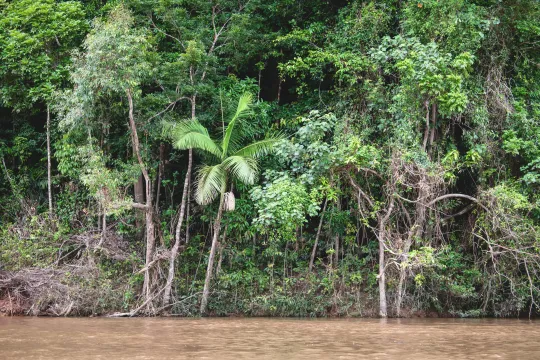
- This video from the National Park Service highlights research that is conducted in Biscayne National Park to monitor the health of mangrove forests and the impacts of sea level rise.
- A "Future Park Leader of Emerging Change" intern describes his experience tracking soil elevation in the forests and why mangrove ecosystems are so important to the park and the planet.
Teaching Materials
Positives
- This video provides an example of how volunteers and interns can support climate change research.
- Students will learn about mangrove forests, an important ecosystem that can also reduce the negative impacts of extreme weather conditions.
Additional Prerequisites
- Some prior knowledge of how climate change is connected to sea level rise may help students better understand the information shared in this video.
Differentiation
- An "audio described version" of this video is linked in the description for visually impaired students.
- This video could be used in a lesson about climate change, citizen science, ecosystems, or natural resource management.
- Science classes could use this resource to discuss the steps that scientists must take when they conduct research.
This video shows research in soil elevation in Florida's mangrove forests. This is important to track the long-term impact of sea level rise on seedlings' reproduction and on the health of mangrove forests. This resource would motivate a student's interest in co-creating new ways to reduce climate risks on mangroves and other natural ecosystems. This is recommended for teaching.
Teaching Tips
Standards
Resource Type and Format
Scientist Reviewed
This resource has been reviewed by SubjectToClimate's climate scientists and verified for scientific accuracy and up-to-date information. Our review process ensures that every resource in our library reflects the current state of climate science.
Learn about our review process →