Land Based Tool Making

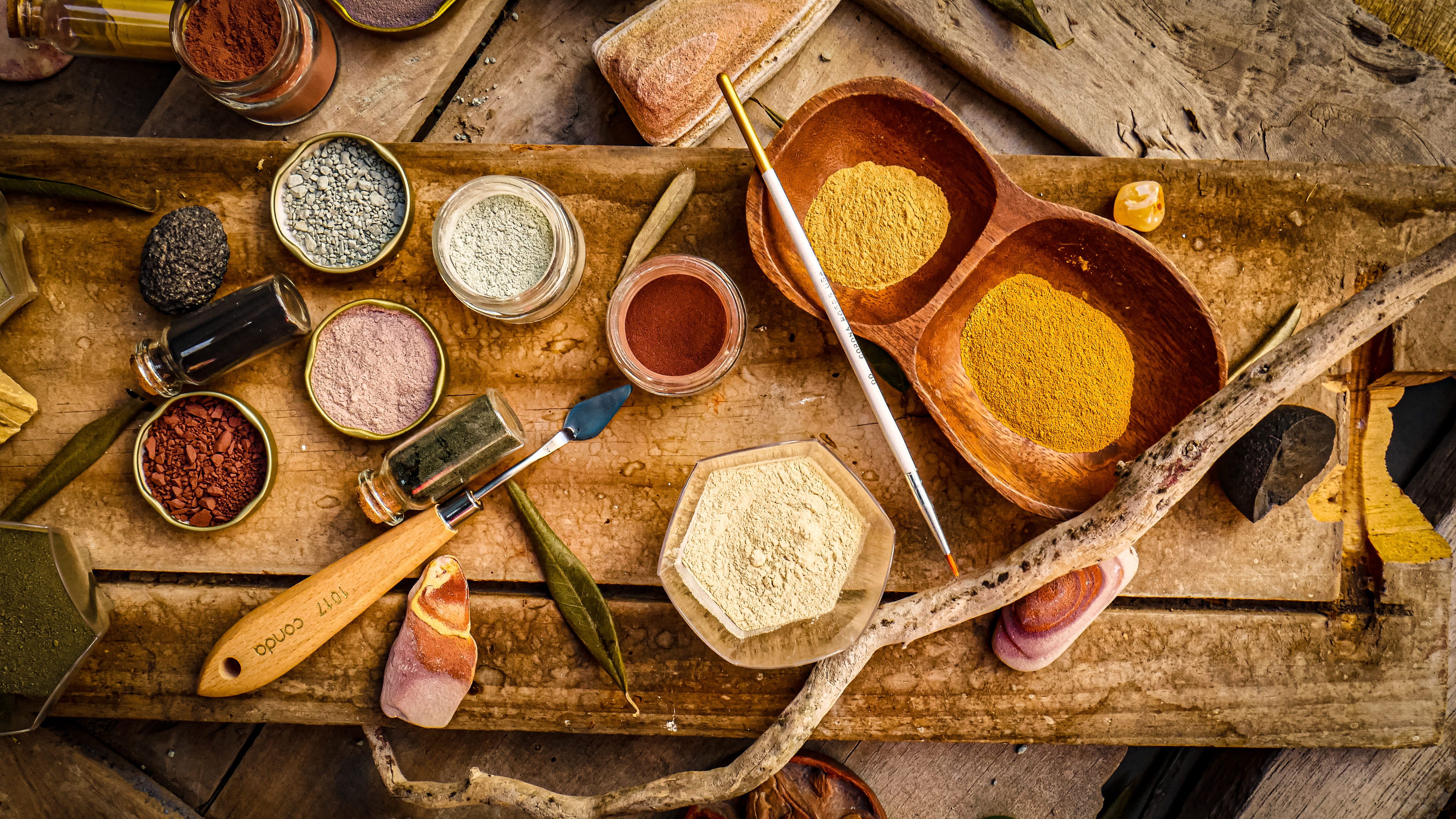
Synopsis
This lesson explores how Indigenous peoples, such as the Kiowa Nation, craft tools from natural materials.
Students will feel natural fibers, reflect on the carbon footprint of mass-produced tools, and build and test their own paintbrushes from sticks and natural bristle materials during this 30-minute lesson.
The lesson also includes vocabulary words in the Kiowa language and stewardship protocols for gathering materials respectfully and returning scraps to the earth.
Teaching Materials
Classroom Implementation:
Use this lesson in engineering design units, art classes on tools and materials, or social studies units on Indigenous cultures and sustainable consumption.
Preparation:
Use the story map to learn about the full curriculum and build necessary background knowledge for implementing this lesson.
Check for wool or plant allergies, review school rules about gathering outdoor materials, and encourage students to collect only fallen or already-cut materials.
Prerequisites:
Ensure that students are familiar with greenhouse gases, especially carbon dioxide, and their impact on the environment.
Materials:
Natural fibers
Sticks
Twine, string, sinew, paste, or
glue
Chalk or clay for paint
Extensions:
Consider showing students examples of artwork made with natural materials and ask them to describe how these pieces make them feel.
Extend the ideas presented in this lesson by giving students a challenge to consider what they already have access to before buying something new from the store.
Sustainable Development Goals Connections:
Connect this lesson to SDG 12, Responsible Consumption and Production.
Scientist Reviewed
This resource has been reviewed by SubjectToClimate's climate scientists and verified for scientific accuracy and up-to-date information. Our review process ensures that every resource in our library reflects the current state of climate science.
Learn about our review process →