Integrated Pest Management
Provided by: Khan Academy|Published on: April 27, 2021|Last updated: July 16, 2026
Grades: 9, 10, 11, 12, AP
Type: Videos
Subjects: Biology
Authors: Khan Academy
Location: Earth
This resource has been reviewed by SubjectToClimate's climate scientists and verified for scientific accuracy and up-to-date information. Learn about our review process →
This resource has been reviewed by SubjectToClimate's climate scientists and verified for scientific accuracy and up-to-date information. Learn about our review process →
Synopsis
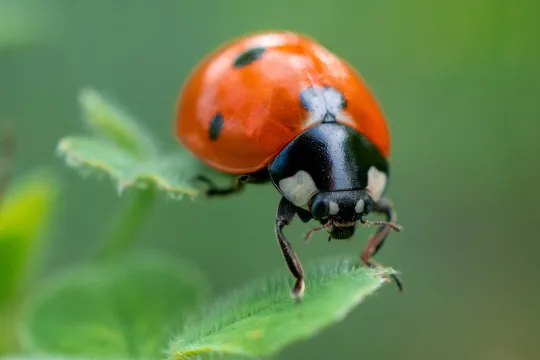
- This video provides information on integrated pest management, which uses non-chemical methods for controlling pests that can destroy crops.
- Students will learn that farmers can avoid using pesticides (or use fewer pesticides) if they introduce natural predators, rotate crops, plant crops early, use barriers, or use other varieties of crops.
- There is an interactive quiz included for students to test their understanding of sustainable practices.
Teaching Materials
Preparation:
- Set up free accounts to have students comment online or record their quizzes.
Prerequisites:
- Students should be familiar with the concepts of hybrid and genetically modified organisms.
Classroom Implementation:
- Use this resource to support lessons about evolution, natural selection, pressures on populations, genetics, or ecology.
Interdisciplinary Connections:
- Health:
- Students research the adverse effects of pesticides, considering the ways that pesticides can leach into groundwater or run off into rivers and creeks.
Extensions:
- Students reach out to faculty members or graduate students from local agricultural universities to request materials on integrated pest solutions suited to the local climate and crops.
Related Resources:
As the human population continues to grow, we need more and more food to meet the demand. As a result, pesticide use has continued to increase year after year. However, many pesticides used today have documented adverse, even deadly, effects on the biosphere. This resource explains how integrated pest management can be applied to cut down on pesticide use. This resource is recommended for teaching,
Teaching Tips
Standards
Resource Type and Format
Scientist Reviewed
This resource has been reviewed by SubjectToClimate's climate scientists and verified for scientific accuracy and up-to-date information. Our review process ensures that every resource in our library reflects the current state of climate science.
Learn about our review process →