Ocean Plastics Unit (3-5)
Provided by: Ocean Wise|Published on: July 9, 2024|Last updated: July 16, 2026
Grades: 3, 4, 5
Type: Lesson Plans
Subjects: Science
Authors: Ocean Wise
Location: Earth, North America > United States
This resource has been reviewed by SubjectToClimate's climate scientists and verified for scientific accuracy and up-to-date information. Learn about our review process →
This resource has been reviewed by SubjectToClimate's climate scientists and verified for scientific accuracy and up-to-date information. Learn about our review process →
Synopsis
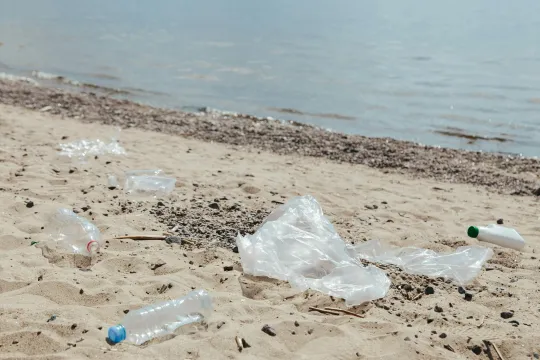
- This 6-lesson unit plan teaches students from grades 3-5 about the impacts of plastics on the ocean ecosystem and how they can help keep the oceans clean.
- The resource includes a student workbook with questions and reflections related to plastic usage and its impact on the environment.
- Students will get to see the Indigenous connection to nature through stories about the T'Sou-ke, Ahousaht, and Haida Nations' shoreline clean-ups.
Teaching Materials
Positives
- The unit includes various resources that help students understand how plastics affect our oceans.
- Students will be inspired by the people who took the initiative to clean their own communities and the impact it had.
Prerequisites
- Teachers will need to either print the student workbooks or make them editable digitally before teaching the lesson.
- Students may need explanations on different definitions not stated in the glossary of this lesson plan.
- The video, A Whale’s Tale – Hope Works, by CBC Kids in Lesson 2, is now private. Also, in Lesson 2, the links for Ocean Wise materials on the Take Action page are broken. Teachers can find the link to the Plastic Pledge HERE.
- Students will need an account on Esri GIS Education to use Marine Debris – Environmental Science GeoInquiries by ArcGIS in Lesson 4.
- The video in Lesson 4, The Epic Journey of The Plastic Ducks, by Emma Dobken, makes two very brief references to alcoholic beverages.
- To access some materials for Lesson 6, such as the Ocean Wise Clean Up Data Card, teachers may need to create an account at Ocean Wise.
Differentiation
- Younger students can be asked to name their favorite ocean creatures and research how plastics affect their well-being.
- Students can organize a campaign to clean up plastics around the school and set up plastic recycling waste bins around the campus.
- Social studies students can research policies around the world established to address plastic usage and identify those that can be replicated in their communities.
- In science, students can research innovative technologies that are removing plastics in the ocean and present them in class.
- Math students can practice data collection and graphing as they collect data during a community clean-up.
This lesson unit educates students about the myriad impacts of plastics in oceans. The guidebook is well-sourced, with numbered reference citations throughout. The resource harnesses history, science, and traditional ecological knowledge to craft a unit ranging from plastic transport to climate change. Notably, each lesson ends with a ‘take action’ page to empower students. This resource is recommended for teaching.
Teaching Tips
Standards
Resource Type and Format
Scientist Reviewed
This resource has been reviewed by SubjectToClimate's climate scientists and verified for scientific accuracy and up-to-date information. Our review process ensures that every resource in our library reflects the current state of climate science.
Learn about our review process →