How to Get the Most Out of Your #Trashtag Challenge
Provided by: Greenpeace|Published on: April 27, 2021|Last updated: July 16, 2026
Grades: 6, 7, 8, 9, 10, 11, 12
Type: Articles/Websites
Subjects: Biology, Earth and Space Sciences
Authors: Agnès Le Rouzic
Location: Earth
This resource has been reviewed by SubjectToClimate's climate scientists and verified for scientific accuracy and up-to-date information. Learn about our review process →
This resource has been reviewed by SubjectToClimate's climate scientists and verified for scientific accuracy and up-to-date information. Learn about our review process →
Synopsis
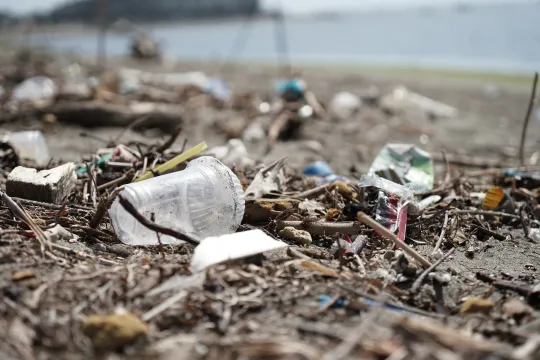
- This article discusses the #Trashtag online movement to clean up trash from the environment.
- To take it a step further, this article suggests that you keep track of the types of trash you find and what brands you find most to encourage those companies to change to more sustainable packaging.
Teaching Materials
Positives
- This article may encourage students to think critically about what they buy and use on a regular basis and even encourage their families to change their purchasing habits.
- It highlights a positive use of social media to achieve something tangible.
Additional Prerequisites
- Let students know that they would need to have the proper protective gear if they chose to do this challenge.
Differentiation
- Connections can be made with economics classes by discussing the importance of consumer demand when companies are making decisions about what they are going to sell.
- Biology and science classes could discuss the differences between different types of trash materials and how long they take to biodegrade, if they do at all.
- Other resources on this topic include Kaya Identity: Drivers of CO2 Emissions and Zero Food Waste Challenge.
Trash tag is an important activity for students and young environmentalists to engage in daily. It is important to keep the environment clean and free from solid waste and pollution. Educators should note that this exercise requires hand gloves and other safety gear to prevent injury and skin infection and garbage bags to collect trash. This is recommended for teaching.
Teaching Tips
Standards
Resource Type and Format
Scientist Reviewed
This resource has been reviewed by SubjectToClimate's climate scientists and verified for scientific accuracy and up-to-date information. Our review process ensures that every resource in our library reflects the current state of climate science.
Learn about our review process →