How Much Plastic Is in the Ocean?
Provided by: Be Smart|Published on: April 27, 2021|Last updated: July 16, 2026
Grades: 6, 7, 8, 9, 10, 11, 12
Type: Videos
Subjects: Biology, Earth and Space Sciences, Geography
Authors: Be Smart
Location: Earth
This resource has been reviewed by SubjectToClimate's climate scientists and verified for scientific accuracy and up-to-date information. Learn about our review process →
This resource has been reviewed by SubjectToClimate's climate scientists and verified for scientific accuracy and up-to-date information. Learn about our review process →
Synopsis
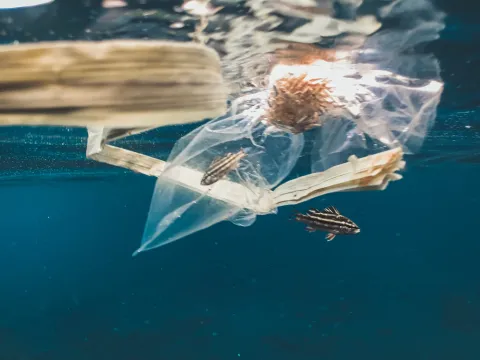
- This video from Be Smart on plastic pollution explains why plastic is in our oceans, how much plastic pollution goes into the oceans, and what happens to it as it breaks into smaller pieces over time.
- The video gives tips for how we can help keep plastic out of our oceans by buying less plastic, using less plastic, recycling or donating items, rethinking how we use plastic, repairing items instead of replacing them, and refusing to use single-use plastic when possible.
Teaching Materials
Positives
- This video provides a clear and concise overview of plastic pollution.
- The video inspires action by giving tangible steps students can take to reduce their consumption of plastic and help minimize plastic pollution in our oceans.
Prerequisites
- There may be advertisements before the video.
Differentiation & Implementation
- This video can be used in a science class when learning about the oceans, water pollution, the water cycle, or human impacts on the environment.
- This video can be used to inspire students to take action in their own lives, and teachers could expand on this by having students journal about or track the changes they make in their everyday lives.
- Students can also use this video as inspiration to create posters, social media posts, videos, or presentations to share the 6Rs from the video in their own way.
- Using the action steps presented in the video, teachers can work with students to create a plan for reducing plastic use in the classroom or at school.
- Other resources related to plastic pollution include Why We Need to Stop Plastic Pollution in Our Oceans For Good and 30 Days Without Single-Use Plastic.
- This video can be connected to the water cycle using resources like How Do Oceans Circulate? and The Water Cycle and Water Pollution.
This video identifies 6Rs (Reduce, Reuse, Recycle, Rethink, Repair, and Refuse) for controlling plastic pollution. Since the introduction of plastic, the use of plastic has increased, posing a cascading effect on marine resources, marine ecosystems, and the health of animals and humans. This resource is recommended, as it provides insights for students to internalize and practice the 6Rs.
Teaching Tips
Standards
Resource Type and Format
Scientist Reviewed
This resource has been reviewed by SubjectToClimate's climate scientists and verified for scientific accuracy and up-to-date information. Our review process ensures that every resource in our library reflects the current state of climate science.
Learn about our review process →