How Does a Bulb Light?
Provided by: Illinois EPA|Published on: April 16, 2026|Last updated: July 16, 2026
Grades: 6, 7, 8
Type: Lesson Plans
Subjects: Physics
Authors: Jana Sebastik, Kristi Morris, Eli Dollarhide
Location: North America > United States > Illinois
This resource has been reviewed by SubjectToClimate's climate scientists and verified for scientific accuracy and up-to-date information. Learn about our review process →
This resource has been reviewed by SubjectToClimate's climate scientists and verified for scientific accuracy and up-to-date information. Learn about our review process →
Synopsis
- In this 10-lesson unit, students explore all that goes into energy production and management.
- The unit covers different sources of energy, the energy grid, energy storage, and how electrification and clean energy can benefit the environment through hands-on exploration, discussion, interactive models, and more.
Teaching Materials
Positives
- This unit includes many opportunities for hands-on exploration.
- Students will enjoy the interactive Tesla Town application.
Prerequisites
- Students should already understand the connection between greenhouse gases and climate change.
- The Energy Teacher Guide explains how to implement the lessons.
- Teachers will need the materials listed here.
- The link in Lesson 6 to information about net metering is broken, and the links in Lesson 10 for information about Electric School Buses in Pekin, IL, and the vehicle-to-grid video are broken.
Differentiation & Implementation
- Due to the design and layout of this unit, teachers may want to use this resource as a collection of resources to assist them with building their own energy unit, rather than implementing the resource as a complete unit.
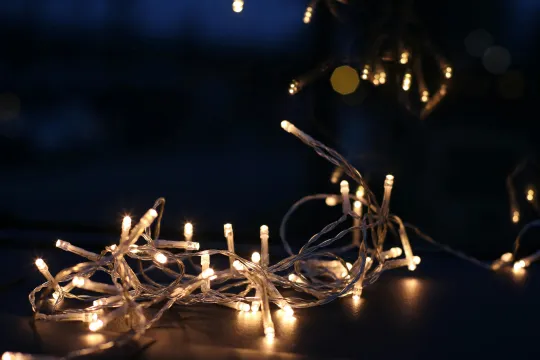
- Because the focal point of the first lesson of the unit is a string of holiday lights, teachers can implement this lesson during the winter holiday season to add a festive flair to the typical curriculum.
- Teachers can use this unit to make connections to Sustainable Development Goal 7, Affordable and Clean Energy.
- Using the link to the reading in Lesson 4, teachers can put students in groups to explore one of the energy sources and its environmental impacts, as well as other important information.
- Many of the articles are quite long and may take students an entire class period to read. Teachers may want to have students read excerpts from the articles, assign the articles as homework, or provide students with an article summary instead.
This resource is a series of lesson plans that teach students what is needed to make a light bulb work at all scales, from the electrical circuit that powers the light bulb to how power is generated and moved through the power grid to individual buildings. The lessons also discuss green energy, electric vehicles, battery storage, and energy conservation. These lessons do not go into detail about climate change, but they do mention that conserving energy and making sustainable changes will help mitigate it. The information presented is accurate, and this resource is recommended for teaching.
Teaching Tips
Standards
Resource Type and Format
Scientist Reviewed
This resource has been reviewed by SubjectToClimate's climate scientists and verified for scientific accuracy and up-to-date information. Our review process ensures that every resource in our library reflects the current state of climate science.
Learn about our review process →