
Hooves of the Plains: Hawat / Heneecee (Buffalo)

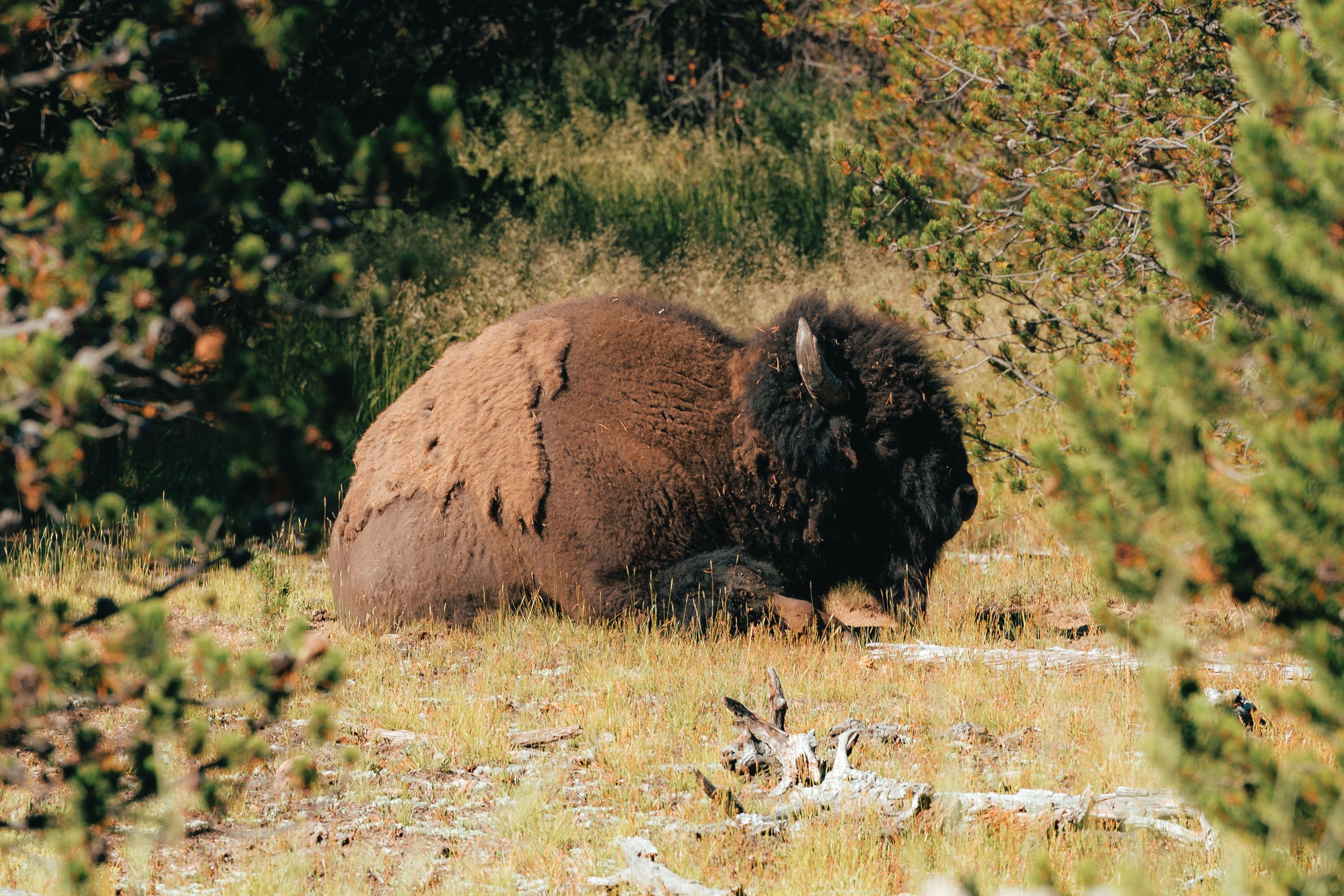
Synopsis
This lesson examines how the buffalo is both a sacred cultural relative to Plains Tribes and a keystone species whose grazing and movement help restore grasslands and build resilience to a changing climate.
Students recreate and compare cattle and buffalo hoof prints in soil and pour water over them to observe erosion, absorption, and wildfire-mitigation effects, while learning about the 1800s buffalo genocide, settler-colonial myths, and Tribal efforts to restore wild herds.
Teaching Materials
Preparation:
Use the story map to learn about the full curriculum and build necessary background knowledge for implementing this lesson.
Prerequisites:
Ensure students are familiar with the impacts of climate change, such as increased flood events.
Materials:
Shallow tray or pan (one for each student or pair)
Soil or dirt
Stick (one for each student or pair)
Two cups of water for each student or pair
Pencils or spoons
Related Resources:
Use this video to expand on the systematic killing of Bison as a strategy by colonists to drive Indigenous people off of the land.
Extensions:
Connect this lesson to a local grassland or prairie restoration effort, or research a nearby buffalo-restoration initiative.
Scientist Reviewed
This resource has been reviewed by SubjectToClimate's climate scientists and verified for scientific accuracy and up-to-date information. Our review process ensures that every resource in our library reflects the current state of climate science.
Learn about our review process →