Florida Algal Bloom Sampling Status
Provided by: Florida Department of Environmental Protection|Published on: July 31, 2026|Last updated: August 1, 2026
Grades: 6, 7, 8, 9, 10, 11, 12
Type: Data, Graphs, and Maps
Subjects: Chemistry, Biology
Authors: Florida Department of Environmental Protection
Location: North America > United States > Florida
This resource has been reviewed by SubjectToClimate's climate scientists and verified for scientific accuracy and up-to-date information. Learn about our review process →
This resource has been reviewed by SubjectToClimate's climate scientists and verified for scientific accuracy and up-to-date information. Learn about our review process →
Synopsis
- This interactive dashboard displays algal bloom sampling site visits from across Florida on a searchable GIS map, with markers that can be clicked to view sample details, photos, and toxin information.
- Users can search by address, zip code, city, or place, filter results, and view the data as a map or table.
Teaching Materials
Classroom Implementation:
- Start the activity by asking students what their experiences are with algal blooms.
- Have students search their own city or zip code to locate nearby sampling sites, then click markers to interpret bloom conditions and toxin results.
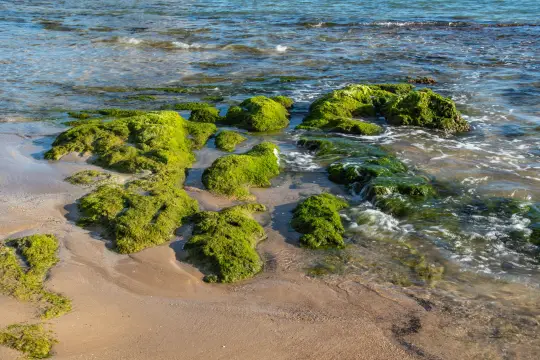
- Connect the dashboard to the science of algae by discussing how warm, slow-moving, nutrient-rich water drives blooms, linking to nutrient runoff and a warming climate.
Extensions:
- To practice graphing and data visualization skills, use a map and color-coded markers to map instances of another local environmental issue.
- For middle school, extend this activity with this unit that asks, "Why is the pond green?"
This dashboard presents up-to-date algal bloom sampling data from around Florida. A GIS map and numerous helpful links are also included. This resource tracks current water quality data across the state and is recommended for teaching.
Teaching Tips
Standards
Resource Type and Format
Scientist Reviewed
This resource has been reviewed by SubjectToClimate's climate scientists and verified for scientific accuracy and up-to-date information. Our review process ensures that every resource in our library reflects the current state of climate science.
Learn about our review process →