Ecological Design Challenge: Brigantine
Provided by: New Jersey Department of Environmental Protection|Published on: June 8, 2022|Last updated: July 16, 2026
Grades: 6, 7, 8, 9, 10, 11, 12
Type: Activity - Classroom
Subjects: Biology, Engineering, Computer Science
Authors: New Jersey Department of Environmental Protection
Location: North America, North America > United States, North America > United States > New Jersey

This resource has been reviewed by SubjectToClimate's climate scientists and verified for scientific accuracy and up-to-date information. Learn about our review process →
This resource has been reviewed by SubjectToClimate's climate scientists and verified for scientific accuracy and up-to-date information. Learn about our review process →
Synopsis
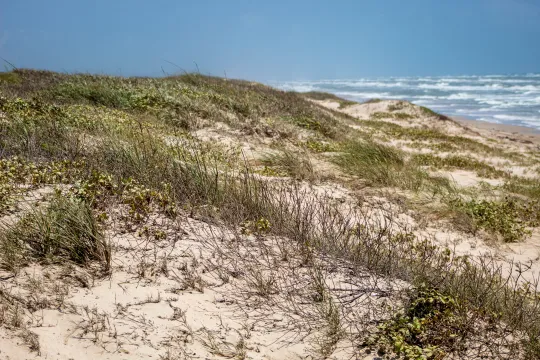
- In this activity, students will design a plan to reduce tidal flooding, manage stormwater, stabilize the shoreline, and restore the habitat in Brigantine City, New Jersey.
- The plans must include criteria for success and a method for monitoring the site.
- This activity is a part of New Jersey's Department of Environmental Protection's educational program, Building Ecological Solutions for Coastal Community Hazards.
Teaching Materials
Positives
- This activity gives students a chance to use design thinking skills to solve real-world problems.
- The instructions and images of the actual site are included in the PDF.
Additional Prerequisites
- Teachers may want to discuss types of structural features that can help prevent flooding and erosion before students begin the activity.
- This NJ DEP site provides photographs, site assessments, permitting documents, and other information about the Brigantine Living Shorelines project.
- Teachers may want to share this rubric with students so students are clear about the teacher's expectations for the activity.
Differentiation
- Students could work individually, in pairs, or in small groups.
- Teachers could extend the activity into a larger project, including three-dimensional models, posters, slideshows, or diagrams to explain their plans.
- To expand the project, students could discuss if their plans would work for the three other locations in Brigantine that face similar problems. Students could consider the following questions:
- What parts of the plan would probably change, depending on the location?
- What information would your team need to serve each location?
- Are there parts of the plan that would probably remain the same in every location?
- Other resources on this topic include this video on infrastructure adaptations to address rising sea levels, this CimateScience course on mitigation and adaptation, and this Rutgers Climate Institute video on responding to climate change in New Jersey.
The resource challenges students to co-design solutions for shoreline and habitat protection to mitigate tidal flood damage on human activities within the shoreline and the upland. This is recommended for teaching.
Teaching Tips
Standards
Resource Type and Format
Scientist Reviewed
This resource has been reviewed by SubjectToClimate's climate scientists and verified for scientific accuracy and up-to-date information. Our review process ensures that every resource in our library reflects the current state of climate science.
Learn about our review process →