Earth Day Activities for K-5
Grades: K, 1, 2, 3, 4, 5
Type: Lesson Plans
Subjects: Science, English Language Arts
Authors: Population Education
Location: North America > United States, North America > United States > District of Columbia > Washington, North America > United States > Maryland, North America > United States > Virginia, North America > United States > West Virginia

This resource has been reviewed by SubjectToClimate's climate scientists and verified for scientific accuracy and up-to-date information. Learn about our review process →
This resource has been reviewed by SubjectToClimate's climate scientists and verified for scientific accuracy and up-to-date information. Learn about our review process →
Synopsis
- This resource is a collection of five lesson plans to encourage environmental stewardship in elementary students.
- Students will learn about landfills, pollution, and how to help the environment through read-alouds, class discussions, and interactive activities.
- There are lessons about creating something out of unwanted items, making a pledge to help the earth, causes of pollution in a river or, specifically the Potomac, and making decisions about environmental dilemmas.
Teaching Materials
Positives
- Students will love these fun and engaging lessons.
- The lessons help students practice important skills like communicating with peers, problem-solving, critical thinking, and decision-making.
- Each lesson includes follow-up activities to deepen students' understanding.
Additional Prerequisites
- One lesson is about pollution in the Potomac River, but the information learned is relevant and applicable to students in other regions.
- The lesson plans "Who Polluted the River?" and "Who Polluted the Potomac?" are similar interactive stories about pollution. The first is designed for lower elementary, and the second for upper elementary.
- The first lesson requires multiple days to complete.
- The book Joseph Had a Little Overcoat by Simms Taback is needed for the first lesson.
- The book 10 Things I Can Do to Help My World by Melanie Walsh or another book about helping the Earth is needed for the second lesson. There is a link to other recommended children's books in the lesson plan procedure, but the page requires a password to access it.
- The link to the EarthWorks Group extension resource in the fifth lesson is broken.
Differentiation
- In the Lend a Hand to the Earth lesson, consider choosing an alternative book that is regionally relevant to your students and how they experience climate change.
- Each lesson includes discussion questions, assessment ideas, and optional follow-up activities that can be used to tailor the lesson to meet the needs of your specific students.
- Elementary teachers can tie these lessons in with social studies, language arts, and science.
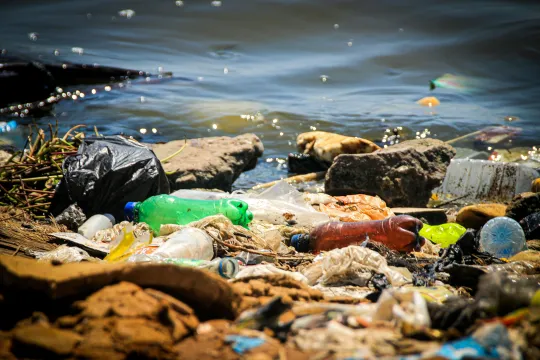
Plastic pollution is a large part of the climate crisis, as plastics are made from fossil fuels. Exploring how to reduce, or even eliminate, the use of plastics is important to fighting climate change. This resource is recommended for teaching.
Teaching Tips
Standards
Resource Type and Format
Scientist Reviewed
This resource has been reviewed by SubjectToClimate's climate scientists and verified for scientific accuracy and up-to-date information. Our review process ensures that every resource in our library reflects the current state of climate science.
Learn about our review process →