Dams & Culverts: Reconnecting Our Waterways
Provided by: New York State DEC|Published on: May 24, 2024|Last updated: July 16, 2026
Grades: 6, 7, 8, 9, 10, 11, 12
Type: Videos
Subjects: Biology, Earth and Space Sciences, Geography
Authors: New York State DEC
Location: North America > United States > New York
This resource has been reviewed by SubjectToClimate's climate scientists and verified for scientific accuracy and up-to-date information. Learn about our review process →
This resource has been reviewed by SubjectToClimate's climate scientists and verified for scientific accuracy and up-to-date information. Learn about our review process →
Synopsis
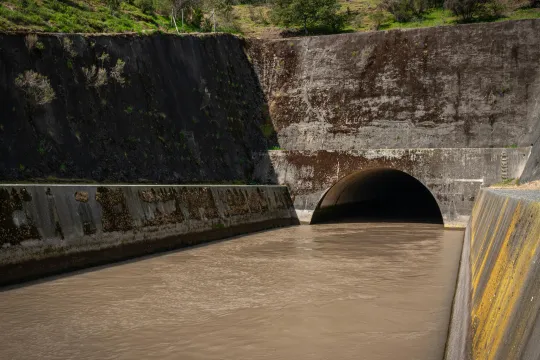
- This video describes how non-functional dams and poorly-maintained or undersized culverts pose a risk of major flooding and infrastracuture damage, and how they act as barriers to fish and other species moving upstream to spawn or migrate.
- It highlights the removal of obsolete dams and the replacement of problematic culverts along tributaries of the Hudson River in New York and is 5 minutes and 50 seconds long.
Teaching Materials
Positives
- This video provides historic examples of disasters caused by dam failures.
- Students learn about the efforts to restore fish habitats and reduce flooding risks.
Additional Prerequisites
- Students may better grasp the importance of these efforts if they understand fish migrations, why they travel these distances, and what it means for their ability to survive.
Differentiation
- This is video is a great resource for students to watch before a field trip to a river, helping them identify similar cases and issues in real life.
- Students can also study the Hudson River Valley map, identify different tributaries of the Hudson River, and investigate if any of them face similar challenges. Students can then present their findings to the class or in a paper or report.
- History or social studies classes can use this video to connect to the industrial past of the Hudson River Valley or other similar locations.
- Connect this video to the topic of climate change by discussing the more frequent extreme rain events of the last 30-40 years and how they are connected to the water cycle, the ability of warmer air temperatures to hold more water vapor, and changing weather patterns.
Much of New York's stream and dam infrastructure was built during a time when climate change wasn't even known about. Now, in the face of a changing climate and more precipitation, this infrastructure poses a risk to people and animals alike. This resource is recommended for teaching.
Teaching Tips
Standards
Resource Type and Format
Scientist Reviewed
This resource has been reviewed by SubjectToClimate's climate scientists and verified for scientific accuracy and up-to-date information. Our review process ensures that every resource in our library reflects the current state of climate science.
Learn about our review process →