
Cougar Crossing
Grades: 5, 6
Type: Lesson Plans
Subjects: Science, Engineering
Authors: Richard Huynh
Location: North America > United States > California

This resource has been reviewed by SubjectToClimate's climate scientists and verified for scientific accuracy and up-to-date information. Learn about our review process →
This resource has been reviewed by SubjectToClimate's climate scientists and verified for scientific accuracy and up-to-date information. Learn about our review process →
Synopsis
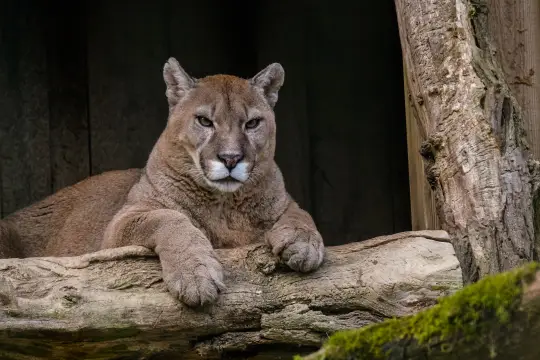
- This storyline unit uses the true story of P-22, a mountain lion who left the Santa Monica Mountains and crossed freeways to live in Los Angeles's Griffith Park, to anchor students' investigation of why the cougar ventures so close to humans.
- Students model what mountain lions need to survive, map where other tagged mountain lions might live, and learn how habitat loss, roads, poisoned prey, and shrinking territory threaten the population's genetic diversity.
- Students then take on an engineering design challenge to design and build a model wildlife crossing, connecting conservation to the Wallis Annenberg Wildlife Crossing over the Ventura Freeway.
Teaching Materials
Classroom Implementation:
- This unit is organized as a five-chapter storyline anchored by the driving question and is designed to unfold over multiple consecutive class sessions.
- Purchase the Cougar Crossing book here, or use the read-aloud version by the author.
- Do not have students search P-22 online without including the words mountain lion, cougar, or puma, because the term alone returns images of a similarly named handgun.
- Be aware that the closing chapter shares that P-22 was euthanized in December 2022 after being struck by a vehicle and suffering multiple health problems, so plan to handle that outcome sensitively with students.
Materials:
- For students to engage in the engineering design process, they will need:
- Chart Paper
- Paper
- Tape
- Glue
- Popsicle Sticks
- Binder clips
- Pipe cleaners
Extensions:
- Have students identify an animal or plant population in their local context that is struggling due to habitat loss.
- Ask students to research strategies that could aid in the conservation of that animal and write to local/state representatives to share their findings and call for action.
This resource utilizes the story of one famous cat in LA’s Griffith Park to engage students in understanding conservation in urban ecosystems. Conservation and engineering design are connected through the story of P-22 leading up to the construction of a wildlife crossing over the 101 freeway. This resource explores an important conservation topic and is recommended for teaching.
Teaching Tips
Standards
Resource Type and Format
Scientist Reviewed
This resource has been reviewed by SubjectToClimate's climate scientists and verified for scientific accuracy and up-to-date information. Our review process ensures that every resource in our library reflects the current state of climate science.
Learn about our review process →