Community Science Opportunities
Provided by: The Maritime Aquarium at Norwalk|Published on: April 4, 2024|Last updated: July 16, 2026
Grades: 9, 10, 11, 12, AP
Type: Articles/Websites
Subjects: Biology
Authors: The Maritime Aquarium at Norwalk
Location: North America, North America > United States, North America > United States > Connecticut
This resource has been reviewed by SubjectToClimate's climate scientists and verified for scientific accuracy and up-to-date information. Learn about our review process →
This resource has been reviewed by SubjectToClimate's climate scientists and verified for scientific accuracy and up-to-date information. Learn about our review process →
Synopsis
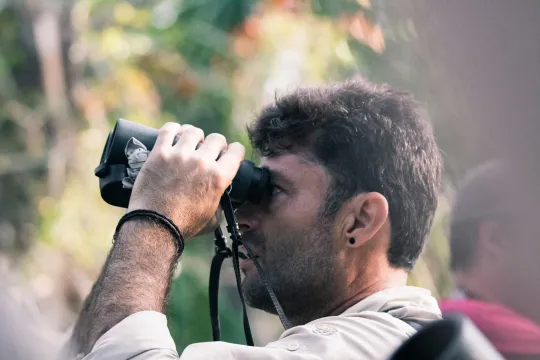
- This resource shares six ongoing community science research projects with Connecticut chapters that students can volunteer with.
- The projects include making nature observations, helping monitor species populations, and tracking species mortalities.
Teaching Materials
Positives
- Students can get involved in their community while supporting scientific research.
- These challenges give students an authentic sense of purpose as they explore nature!
Additional Prerequisites
- There is a link to complete a form to volunteer as a community scientist.
- Click on each project to read more about it and find information about upcoming training sessions.
- Some projects may have age requirements. For example, the Terrapin Tracking Team requires volunteers to be 18 years old, but children can accompany a trained adult, and the City Nature Challenge is for Fairfield and Westchester counties.
Differentiation
- Students can choose a volunteer project to participate in from this list and report back about their experience with the class.
- Many of the projects are best suited for older students. For younger students, the best options are the City Nature Challenge, where volunteers observe and document wildlife in their area, or the Great Backyard Bird Count, where participants observe and count birds.
- Students can research other volunteer opportunities similar to these in their community.
This resource includes a link to apply to become a community science member at the Maritime Aquarium. Citizen science groups can be a vital part of data collection. This resource is recommended for teaching.
Teaching Tips
Standards
Resource Type and Format
Scientist Reviewed
This resource has been reviewed by SubjectToClimate's climate scientists and verified for scientific accuracy and up-to-date information. Our review process ensures that every resource in our library reflects the current state of climate science.
Learn about our review process →